UK Contract Law Essentials
Introduction to Contract Law
The Foundation of Agreements
At its heart, contract law is the set of rules that governs promises. We make agreements all the time, from buying a coffee to starting a new job. Contract law ensures these agreements are taken seriously, providing a framework to make them legally enforceable. It gives us confidence that if we hold up our end of a bargain, the other person has to as well.
Contract
noun
A legally binding agreement between two or more parties that creates mutual obligations.
The main purpose of contract law is to provide a remedy if a promise is broken. It creates a predictable environment for both individuals and businesses. Without it, commerce would grind to a halt. No one would trust anyone else enough to provide goods or services without immediate payment, and complex projects would be impossible. It's the legal backbone of our economy and daily interactions.
Contract law turns a simple promise into an enforceable duty. It provides peace of mind that agreements will be honored.
A Brief History
Modern contract law in the UK didn't appear overnight. Its roots go back centuries, evolving from the informal customs of merchants and traders. This early system, sometimes called the 'Law Merchant', was based on common practices and mutual trust. As trade became more complex, especially during the Industrial Revolution, a more formal and consistent set of rules was needed.
The courts began to develop principles that are still central to contract law today, like the concepts of offer, acceptance, and consideration. This gradual, case-by-case development created a flexible system that could adapt to new commercial challenges over time.
Sources of the Law
In the UK, the rules of contract law come from two primary sources: common law and statutes.
Common law is judge-made law. It’s built up over centuries from the decisions in thousands of individual court cases. When a judge decides a new case, they look at how similar cases were decided in the past. This principle of following past decisions, known as precedent, ensures consistency and predictability.
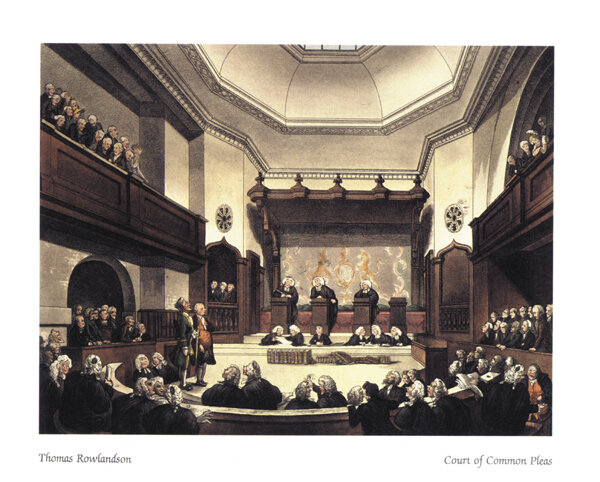
The other source is statutes, which are laws passed by Parliament. While common law provides the foundational principles, Parliament sometimes steps in to create new rules or clarify existing ones. Statutes often address modern issues or areas where the common law was seen as unfair or outdated.
For example, the Sale of Goods Act 1979 sets out rules for contracts involving the sale of products, while the Consumer Rights Act 2015 provides specific protections for consumers in their dealings with businesses. These acts work alongside the common law to create a comprehensive legal framework.
Now that we've covered the basics, let's test your knowledge.
What is the main purpose of contract law?
What are the two primary sources of contract law in the UK?
Understanding these core principles is the first step. Next, we'll explore exactly how a legally binding contract is formed.