UK Charity Cybersecurity: Social Engineering & Phishing Defense
Understanding Social Engineering
The Human Element
Cybersecurity isn't just about firewalls and antivirus software. Often, the easiest way for an attacker to get inside an organisation isn't by breaking through digital walls, but by simply walking through the front door, either literally or figuratively. They do this by targeting the most vulnerable and powerful element of any system: people.
Social Engineering
noun
The use of psychological manipulation to trick people into divulging sensitive information or performing specific actions.
Attackers use social engineering to bypass technical defences entirely. They exploit human psychology—our natural tendencies to trust, to be helpful, or to react to urgency and authority. It's less about code and more about confidence tricks.
Social engineering attacks manipulate human psychology to bypass technological defenses.
Common Attack Vectors
Social engineering takes many forms, but most attacks fall into a few common categories. Understanding these methods is the first step toward recognising and stopping them.
Phishing: This is the most common type of social engineering attack. Attackers send fraudulent emails, text messages, or instant messages that appear to be from a legitimate source, like a bank, a major donor, or even a senior colleague. The goal is to trick the recipient into clicking a malicious link, downloading a dangerous attachment, or providing confidential information.
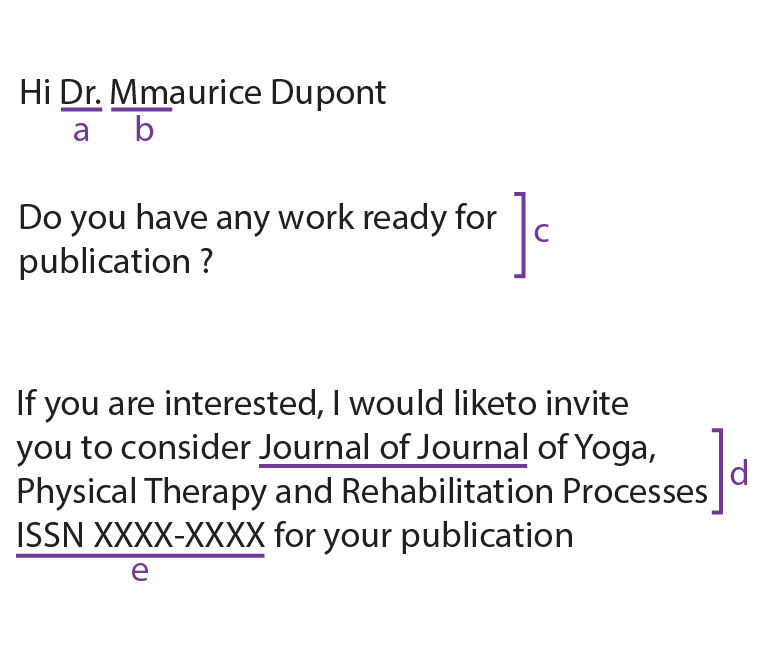
For a charity, a phishing email might look like an urgent request from a partner organisation to update payment details for a joint project, or an email claiming to be from a fundraising platform asking you to reset your password.
Pretexting: Here, the attacker creates a fabricated scenario, or a pretext, to gain your trust and coax information out of you. They might impersonate someone in a position of authority or someone who needs help.
A common pretext for a charity might involve an attacker calling the finance department, posing as a representative from a grant-making body. They might claim they need to verify the charity's bank details immediately to release an overdue payment, creating a sense of urgency to prevent the employee from thinking too critically.
Baiting: As the name suggests, baiting involves dangling something enticing in front of a victim to lure them into a trap. This could be a digital offer, like a free software download, or a physical object.
Imagine finding a USB stick in your office reception, labelled "Q4 Donor Data". Curiosity might lead an employee to plug it into their computer, unwittingly installing malware that gives attackers access to your network.
Tailgating: Also known as piggybacking, this is a physical attack. An attacker gains entry to a restricted area by following an authorised person through a door. They often take advantage of common courtesy.
For example, an attacker carrying a large stack of boxes might wait by a secure entrance. When an employee badges in, the attacker asks if they can hold the door for them. Most people would oblige without thinking to check the person's credentials.
Why Charities Are a Prime Target
Charitable organisations are uniquely vulnerable to social engineering. The very nature of their work relies on trust, goodwill, and a desire to help, qualities that attackers are experts at exploiting. The public-facing nature of charities also provides attackers with a wealth of information to craft their attacks.
| Vulnerability | How Attackers Exploit It |
|---|---|
| Culture of Trust | Staff and volunteers are inclined to trust requests that seem to come from donors, partners, or beneficiaries. |
| Urgency to Help | An urgent plea for help, whether for a donation or information, plays on the core mission of the charity. |
| Public Information | Details about trustees, staff, and major fundraising campaigns are often public. Attackers use this to personalise their attacks and appear legitimate. |
| High Staff Turnover | Volunteers and temporary staff may not receive comprehensive security training, making them easier targets. |
Consider this scenario: A fraudster researches a charity's website and finds the name of the CEO and the Finance Director. They create a fake email address that looks very similar to the CEO's and send a message to the Finance Director, marked "URGENT". The email, written in the CEO's typical style, asks for an immediate transfer of funds to a new international partner to secure a matching grant. The Finance Director, wanting to be helpful and trusting the source, might make the payment without verbal confirmation. The money is then lost for good.
This simple, non-technical attack can have a devastating impact, leading to significant financial loss, damage to the charity's reputation, and a breach of donor data and trust.
What is the primary target of social engineering attacks?
An attacker, carrying several large boxes, waits by a secure office entrance. When an employee opens the door, the attacker asks them to hold it open. This is an example of which type of attack?
Understanding these tactics is the first and most critical step in defending your organisation. The defence against social engineering isn't a piece of software; it's a vigilant and informed team.