UK Amateur Radio License Exam Prep
Introduction to Amateur Radio
What Is Amateur Radio?
Amateur radio, often called ham radio, is a hobby enjoyed by millions worldwide. At its core, it's about using radio equipment to communicate with other enthusiasts across town, across the country, or even on the other side of the globe. You can talk to astronauts on the International Space Station, send messages using Morse code, or transmit images and data.
What sets it apart is its non-commercial nature. You can't use amateur radio for business purposes. Instead, it's a space for personal skill development, technical experimentation, and building friendships. It has a rich history rooted in the work of radio pioneers like Guglielmo Marconi, who first demonstrated that wireless signals could bridge vast distances.
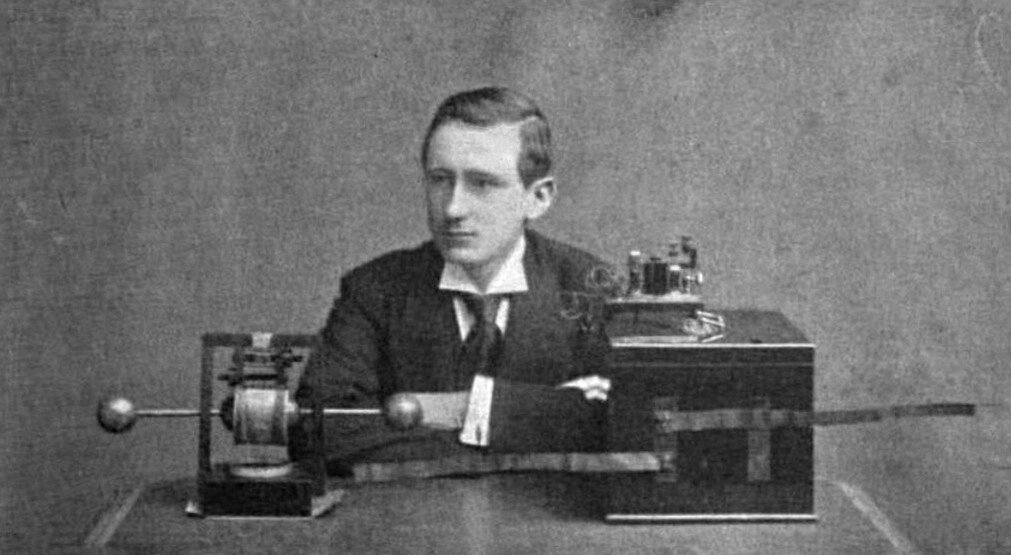
Many operators are drawn to the technical side, building their own antennas and equipment. Others love the thrill of making contact with someone in a rare or distant location. A vital part of the hobby is also public service, where operators provide essential communication links during emergencies when other systems might fail.
Getting Licensed in the UK
To legally transmit on amateur radio frequencies, you need a license. This ensures operators have a basic understanding of the rules and technical principles, preventing interference with other radio services. In the United Kingdom, the licensing authority is Ofcom, and there's a three-tier system that allows you to learn and grow at your own pace.
| License Level | Power Limit | Key Privileges |
|---|---|---|
| Foundation | 10 Watts | Access to most popular amateur bands. A great starting point. |
| Intermediate | 50 Watts | More bands, higher power, and the ability to build your own equipment. |
| Full | 400 Watts | Full access to all UK amateur bands and the highest power levels. |
Each level requires passing an exam that covers more advanced topics. Starting with the Foundation license is the most common path. It gives you enough privileges to get on the air and start having fun right away.
Your Unique Identifier
Once you pass your exam and receive your license, you're assigned a unique call sign. This is your official identifier on the airwaves, much like a license plate for a car. Every time you transmit, you must identify yourself with your call sign.
A UK call sign has a distinct structure. It starts with a prefix that identifies the license level and country. For example:
- M7, M6, or M3 for Foundation licensees.
- 2E0 or 2E1 for Intermediate licensees.
- G, M0, or M1 for Full licensees.
This prefix is followed by a unique two or three-letter suffix, like ABC or XYZ. So, a complete call sign might look like M7ABC, 2E0XYZ, or G1DEF. This system helps other operators know your license level and where you're from.
The Perks and the Pledges
Becoming a licensed amateur radio operator comes with many benefits. It's a gateway to a global community and a lifelong learning journey. You can explore everything from electronics and antenna theory to meteorology and satellite communication. It's a hobby that connects people from all walks of life, transcending borders and cultures.
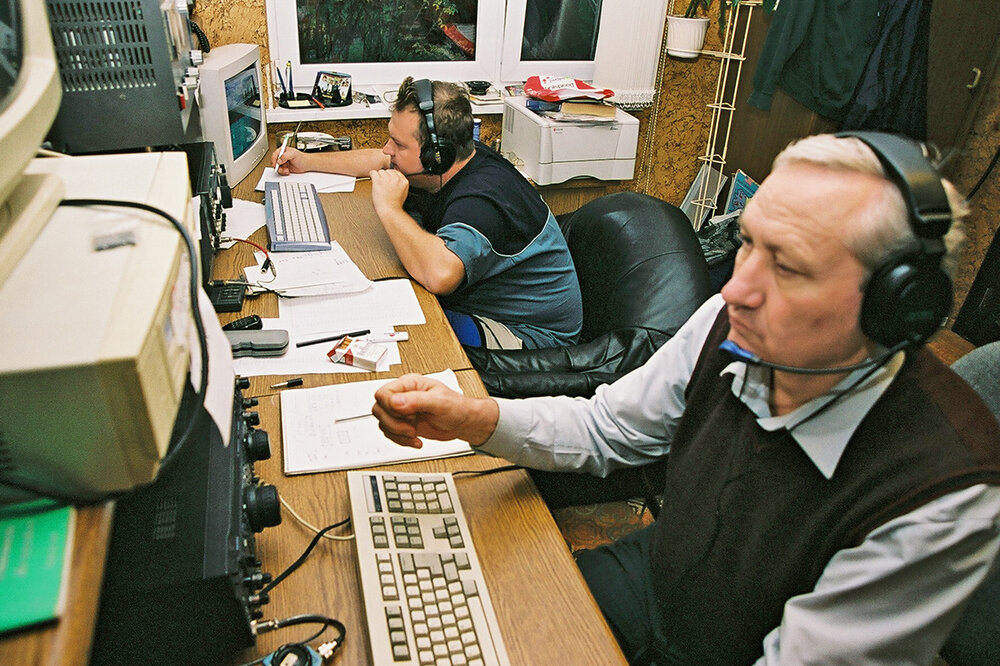
With these privileges come responsibilities. As an operator, you are expected to follow the regulations laid out in your license conditions. This means operating on the correct frequencies, using the permitted power levels, and always being courteous to other users of the airwaves. You are an ambassador for the hobby, and your conduct on the air reflects on the entire amateur radio community.
A key responsibility is readiness to serve the community. Many operators volunteer with groups like RAYNET (The Radio Amateurs' Emergency Network) to provide backup communications for public events and civil emergencies.
Now, let's review the main ideas.
Ready to test your knowledge?
What is the primary purpose of amateur radio?
In the United Kingdom, which organization is responsible for issuing amateur radio licenses?
This introduction covers the basics of what amateur radio is all about. It’s a diverse hobby with something for everyone, from the casual chatter to the dedicated technical expert.