UHT Steam Infusion Dairy Processing Explained
Introduction to UHT Processing
A New Kind of Freshness
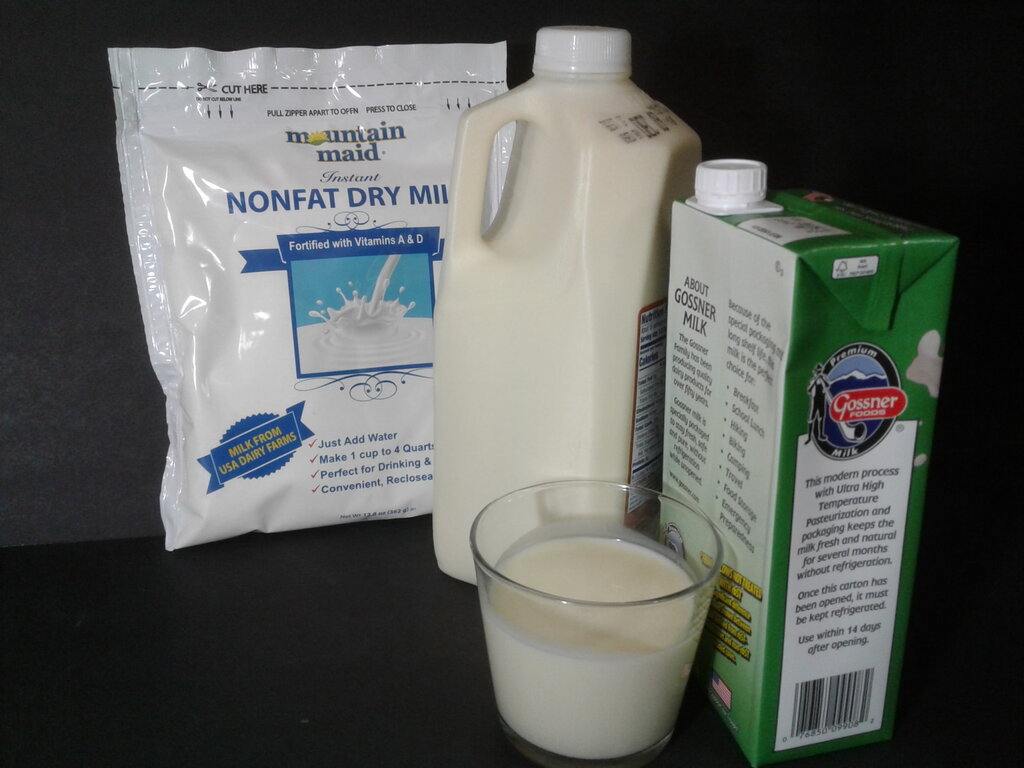
Have you ever noticed those cartons of milk sitting on a regular shelf at the grocery store, not in the refrigerated section? That's thanks to a process called Ultra-High Temperature (UHT) processing. It's a method of sterilizing liquid foods, like milk, juice, and soup, to give them a much longer shelf life.
The core idea of UHT is simple: heat the product to a very high temperature, between 135°C and 150°C (275°F to 302°F), for just a few seconds. This quick, intense heat is enough to kill all microorganisms and their spores, which are the culprits behind spoilage.
By eliminating these microbes, UHT processing makes food shelf-stable. This means it can be stored in an airtight, sterile container for several months without needing to be refrigerated. This is a huge advantage for shipping and storage, especially in areas where refrigeration is unreliable. It allows people to have access to safe, nutritious dairy products anytime.
Two Paths to Sterilization
There are two main approaches to achieving these ultra-high temperatures: indirect and direct heating. The key difference is whether the food product ever touches the thing that's heating it.
In indirect UHT systems, the food flows through pipes or over plates that are heated from the outside. The product and the heating medium—like hot water or steam—are kept separate by a physical barrier. Think of it like boiling water in a kettle; the water gets hot, but it never touches the heating element itself.
Direct UHT systems work differently. In this method, the heating medium makes direct contact with the product. This allows for extremely rapid heating, which can be gentler on the product's flavor and nutritional profile.
A Splash of Steam
One common type of direct heating uses steam. In steam infusion, the liquid product (like milk) is pumped into a chamber filled with high-temperature steam. The milk disperses into small droplets, creating a large surface area that allows for almost instantaneous heating as it mixes with the steam.
Of course, this adds water from the condensed steam to the milk. To fix this, the sterilized product is immediately passed into a vacuum chamber. The vacuum causes the excess water to flash evaporate, cooling the product rapidly and returning it to its original concentration. This whole process—heating and cooling—happens in a matter of seconds.
This very short heating time helps preserve the taste and quality of the milk more effectively than many other methods, making UHT a popular choice for creating long-lasting dairy products around the world.
What is the primary purpose of Ultra-High Temperature (UHT) processing?
What is the key difference between direct and indirect UHT heating systems?