UFOs Agentic AI and Commerce
Introduction to UAPs
What Are UAPs?
For decades, the term for mysterious things seen in the sky was “UFO.” It’s a term loaded with cultural baggage, often bringing to mind little green men and flying saucers. But in recent years, scientists, military pilots, and government officials have adopted a different term: Unidentified Aerial Phenomena, or UAPs.
Unidentified Aerial Phenomena
noun
Observations of events in the sky that cannot be identified as known aircraft or natural phenomena.
This shift in language is intentional and important. “UFO” implies an “object,” something solid and manufactured. “UAP,” on the other hand, is broader. A phenomenon could be an object, but it could also be a natural atmospheric event, a sensor anomaly, or something else entirely. The new term removes speculation and focuses on what is known: something was observed, and it remains unexplained.
This deliberate change helps researchers and defense experts approach the topic with scientific rigor, free from the stigma associated with the history of UFOlogy.

A Brief History
Reports of strange sights in the sky are not new. But modern interest surged after World War II, fueled by the Cold War and the dawn of the Space Age. In 1947, a private pilot named Kenneth Arnold reported seeing nine shiny, crescent-shaped objects flying at high speed near Mount Rainier, Washington. The press dubbed them “flying saucers,” and the name stuck.
In response to a wave of sightings, the U.S. Air Force launched a series of studies. The most famous was Project Blue Book, which investigated over 12,000 UFO reports between 1952 and 1969. While the project concluded there was no evidence of extraterrestrial vehicles or threats to national security, a small fraction of cases, about 700, remained officially “unidentified.”
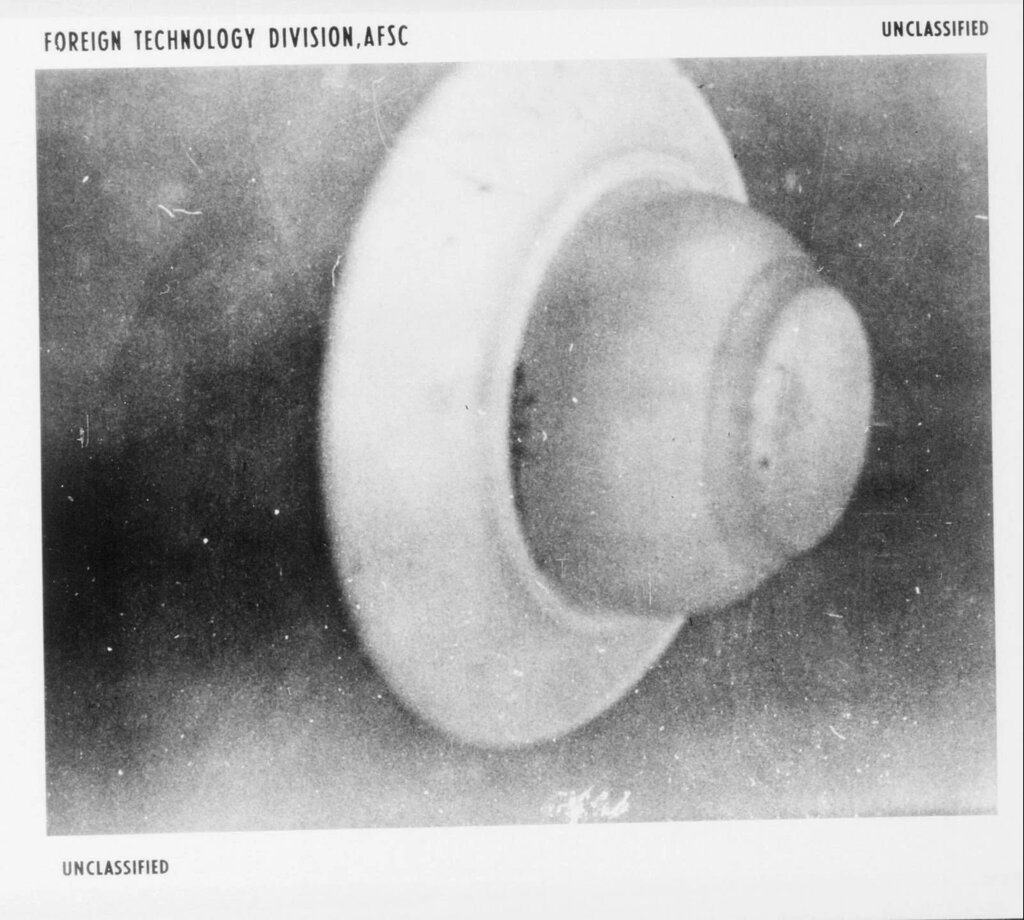
For many years, the topic was largely pushed to the fringes of mainstream science. But that began to change in 2017, when The New York Times published a bombshell report about a secretive Pentagon program that had been investigating UAPs. The article included declassified videos taken by Navy fighter pilots showing enigmatic objects that appeared to accelerate and maneuver in ways no known aircraft could.
Science and Security
The release of these videos, and subsequent confirmation from the Pentagon, sparked renewed interest from both the scientific and defense communities. The conversation shifted from asking “are they aliens?” to more practical questions.
From a scientific perspective, any unexplained phenomenon is an opportunity to learn. Scientists are now calling for a more systematic and transparent collection of data on UAPs. Using standardized sensors, rigorous analysis, and peer-reviewed methods, they hope to distinguish instrument errors and natural phenomena from genuinely novel events. The goal is discovery, whatever the ultimate explanation might be.
For the defense and intelligence communities, the issue is more immediate: flight safety and national security.
Pilots have reported near misses with unidentified objects in controlled military airspace. These incursions pose a risk to aviation. Furthermore, any unknown craft operating near sensitive military sites could be a surveillance drone from a rival nation using advanced technology. The Department of Defense and other government agencies are now taking these reports seriously, not as a search for extraterrestrials, but as a critical domain awareness issue. Understanding what's in our skies is a fundamental aspect of protecting national security.

The transition from UFO to UAP marks a turning point. It represents a move toward a more serious, data-driven investigation into phenomena that have, for too long, been shrouded in secrecy and speculation. The focus now is on collecting better data and asking better questions.