UCL 600 Industrial Sewing Machine
Introduction to Industrial Sewing Machines
Built for Business
If you've ever used a sewing machine at home, you know what it can do. It stitches, it hems, it might even do a little embroidery. But imagine sewing for eight hours a day, five days a week, on materials ranging from delicate silk to heavy-duty canvas. Your home machine wouldn't last very long.
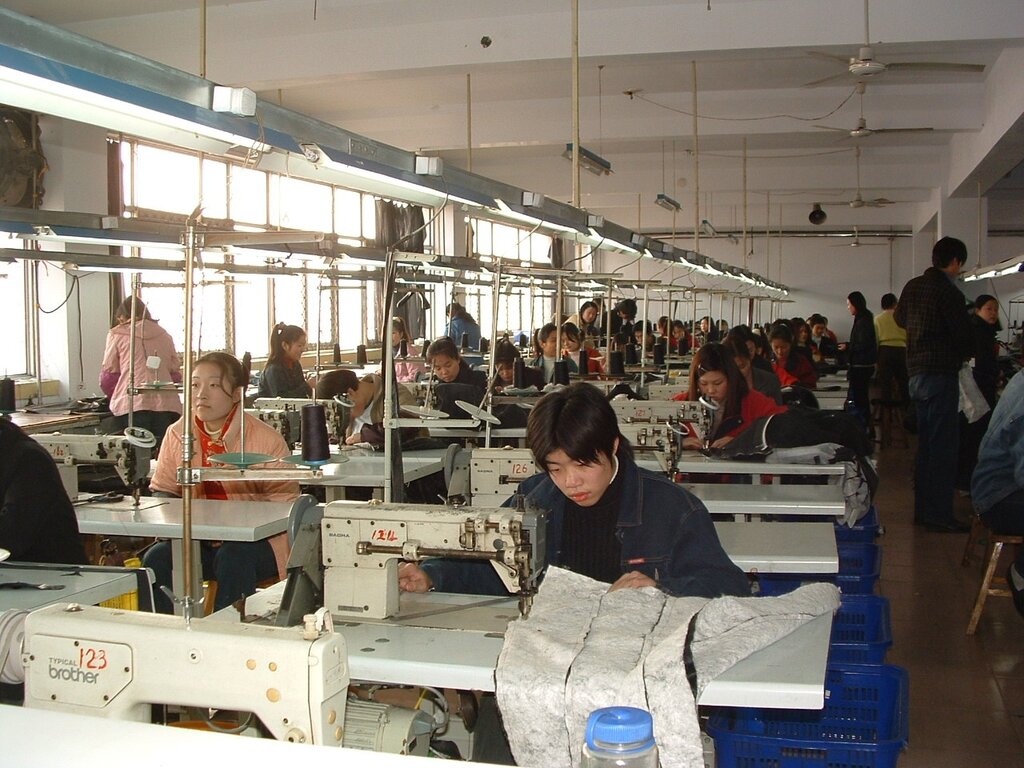
This is where industrial sewing machines come in. They are the workhorses of the textile industry, built for one primary reason: high-volume production. Think of the difference between a family car and a long-haul truck. Both are vehicles, but they are engineered for completely different scales of work. A truck is built with a powerful engine, a robust frame, and specialized parts to handle constant, heavy use. An industrial sewing machine is the same.
Industrial machines are faster, stronger, and more specialized than their domestic counterparts. They are designed to do one or two tasks perfectly and repeat them thousands of times.
Unlike a home machine that sits on a tabletop, an industrial machine is typically built into its own table. This provides stability to handle high speeds and vibrations. Its motor is also separate and much more powerful, allowing it to punch through thick materials like leather or multiple layers of denim without slowing down. Everything about it, from the internal gears to the presser foot, is made from high-grade metal for maximum durability.
The Right Tool for the Job
A key difference is specialization. A home sewing machine is a generalist, designed to handle a variety of stitches and tasks. Industrial machines are specialists. A factory production line will have different machines for each step of making a garment.
One machine might only sew straight seams. Another is just for attaching buttons. A third might only finish the raw edges of the fabric to prevent fraying. This specialization leads to incredible efficiency and consistency, which are crucial in manufacturing. Let's look at a few of the most common types.
| Machine Type | Primary Use | Common Products |
|---|---|---|
| Lockstitch | Sewing straight or zigzag seams | Shirts, trousers, dresses |
| Overlock | Finishing fabric edges, seaming knits | T-shirts, athletic wear, fleece |
| Coverstitch | Hemming and topstitching stretch fabrics | Leggings, swimwear, sportswear |
The lockstitch machine is the most basic and common type, creating the standard straight stitch you see on most clothing. It uses a top thread and a bottom thread from a bobbin to 'lock' the stitch in place.
The overlock machine, also known as a serger, uses multiple threads to wrap around the edge of the fabric. This both joins the seam and prevents it from unraveling. It's essential for working with stretchy knit fabrics.
Finally, the coverstitch machine creates the parallel lines of stitching you see on the hems of T-shirts and sweatshirts. It provides a professional finish and allows the seam to stretch without breaking.
Matching Machine to Material
Choosing the right machine isn't just about the task; it's also about the material. The power of the motor, the type of needle system, and the feeding mechanism all play a role in how well a machine handles a specific fabric.
A machine set up for lightweight chiffon would struggle with, and possibly damage, thick upholstery fabric. The upholstery machine would need a walking foot mechanism, which uses a set of moving 'feet' to grip and pull the thick layers of material through evenly. Conversely, that same powerful mechanism would chew up the delicate chiffon.
This is why material consideration is the first step in setting up any production line. The weight, stretch, and texture of the fabric dictate which specialized machines are needed to construct a quality product efficiently.
What is the primary purpose of an industrial sewing machine?
Which machine creates the parallel lines of stitching commonly found on the hem of a T-shirt?