TypeScript Node.js Express Mongoose for Beginners
Introduction to Node.js
JavaScript Beyond the Browser
For a long time, JavaScript lived exclusively inside web browsers. It was the language of pop-up alerts, interactive forms, and dynamic web pages. But what if you could use JavaScript to build the entire application, from the user interface to the server that powers it? That's where Node.js comes in.
Node.js is a free, open source tool that lets you run JavaScript outside the web browser.
Think of Node.js as a special environment that lets JavaScript code interact directly with a computer's operating system. It's built on Chrome's V8, the same high-performance engine that runs JavaScript inside the Chrome browser. This means Node.js is fast and efficient. By taking JavaScript out of the browser, Node.js allows developers to write server-side code, build web servers, create command-line tools, and much more, all using a language they already know.
The Non-Blocking Waiter
The magic behind Node.js is its non-blocking, event-driven architecture. This sounds complex, but a simple analogy makes it clear.
Imagine a traditional web server as a waiter at a restaurant who serves one table at a time. This waiter takes an order, walks it to the kitchen, and waits there until the food is cooked. Only after delivering the meal do they move on to the next table. If an order takes a long time, every other customer has to wait. This is a blocking model, where one task must finish completely before another can start.
Node.js works like a much more efficient waiter. This waiter takes an order, gives it to the kitchen, and immediately moves on to the next table. They don't stand around waiting. When a dish is ready, the chef rings a bell (an "event"), and the waiter picks up the food and delivers it. This non-blocking approach allows the waiter to handle many tables at once, making the whole restaurant run more smoothly.
This is why Node.js is excellent for applications that involve a lot of waiting, like getting data from a database or calling an external service. It doesn't waste resources sitting idle; it moves on to the next task and comes back when the previous one is done.
Your First Node.js Script
Getting started with Node.js is straightforward. First, you need to install it. You can download the installer for your operating system from the official Node.js website, nodejs.org. It's best to choose the LTS (Long-Term Support) version, as it's the most stable.
Once installed, you can verify it's working by opening your computer's terminal or command prompt and typing:
node -v
This command should print the version number of Node.js you installed. Now, let's write a simple script.
- Create a new file named
app.js. - Open it in a text editor and add the following line of code:
// app.js
console.log("Hello, Node.js!");
- Save the file. To run it, navigate to the file's directory in your terminal and execute the following command:
node app.js
You should see the message "Hello, Node.js!" printed in your terminal. That's it! You've just run a JavaScript file on your computer without a browser.
One Language to Rule Them All
Node.js has revolutionized web development by enabling what's known as full-stack development with a single language. Before Node.js, a developer might write JavaScript for the frontend (the part of the website you see and interact with) and another language like Python, Ruby, or PHP for the backend (the server, database, and application logic).
This required developers to be proficient in multiple languages and switch contexts between them. With Node.js, you can use JavaScript for both the frontend and the backend.
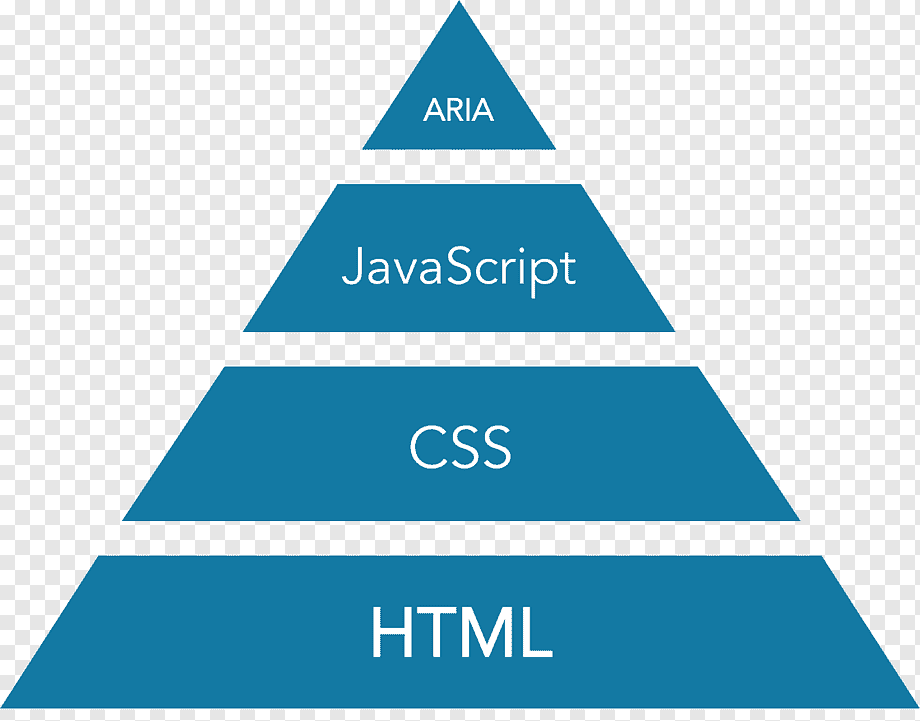
This unification simplifies the development process, allows for better code sharing between the client and server, and makes it easier for teams to collaborate. A developer can work on a user-facing feature in a framework like React and then switch to building the server-side API that powers it, all within the same JavaScript ecosystem.
What is the primary role of Node.js?
The analogy of a waiter taking an order, giving it to the kitchen, and immediately moving to the next table without waiting for the food describes which Node.js concept?
This is just the beginning. Node.js has a massive ecosystem of tools and libraries that help developers build complex and powerful applications quickly.