TypeScript Essentials
Introduction to TypeScript
JavaScript on a Leash
Imagine writing a long essay. When you're done, you hand it to a friend to proofread. They find typos, grammatical errors, and sentences that don't make sense. That's a bit like writing plain JavaScript. You often don't find mistakes until you run the code, or worse, until your users do.
Now, imagine writing that same essay in a word processor with a powerful spell-checker and grammar assistant. It highlights errors as you type. You fix them on the spot. That's the core idea behind TypeScript.
TypeScript is a superset of JavaScript that adds static typing, classes, interfaces, and other features to the language.
Developed by Microsoft, TypeScript isn't a completely different language. It's JavaScript, plus some extra features. The most important feature is static typing. This means you can declare what type of data a variable is supposed to hold, like a number, a string of text, or a boolean. The TypeScript compiler then checks your work before the code ever runs, catching mismatches and potential bugs.
Any valid JavaScript code is also valid TypeScript code. You can even rename a .js file to .ts and it will work. This makes it easy to adopt TypeScript gradually in your existing projects.
Why Bother with Types?
Adding types might seem like extra work, but it pays off significantly, especially as projects grow.
The main goal of TypeScript is to be a static typechecker for JavaScript programs. It's a tool that runs before your code runs to ensure that the types of the program are correct.
Here are the key benefits:
-
Fewer Bugs: The most obvious win is catching errors early. If a function expects a number but you accidentally give it a string, TypeScript will alert you immediately in your code editor. This prevents a whole class of common runtime errors.
-
Better Readability: Types make your code easier to understand. When you look at a function, you know exactly what kind of data it expects and what it will return. This makes your code self-documenting and much easier for teammates (or your future self) to work with.
-
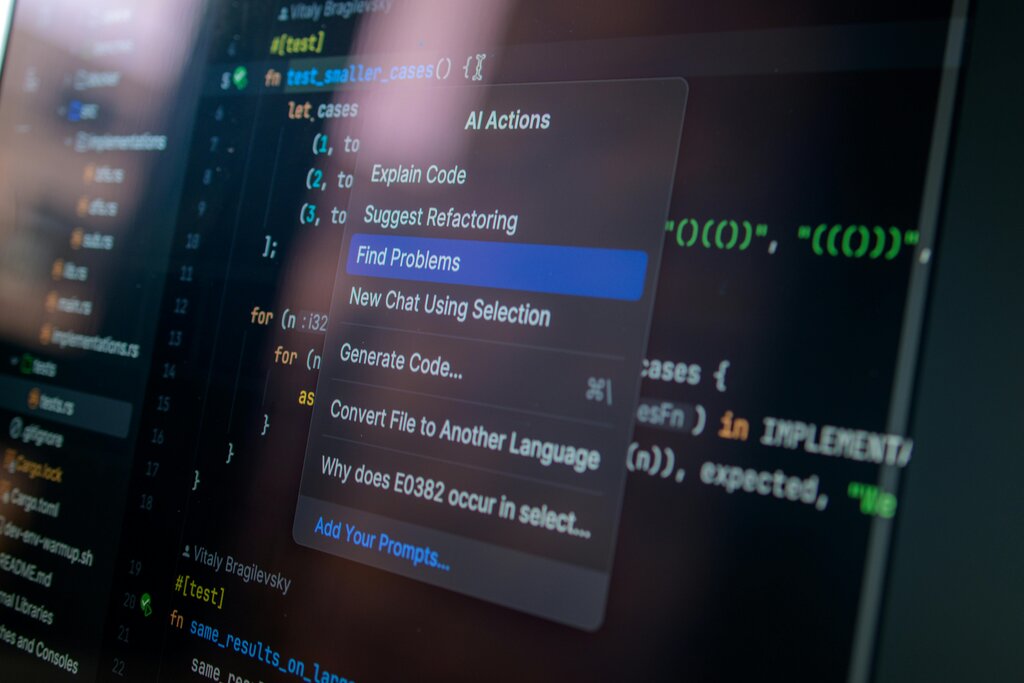
Smarter Tools: Because TypeScript understands your code's structure better, it supercharges your code editor. You get more reliable autocompletion, helpful suggestions, and easier code navigation and refactoring. This speeds up your development workflow.
-
Easier Scaling: For large, complex applications, TypeScript is a lifesaver. It provides a safety net that allows teams of developers to collaborate more effectively and confidently, making the codebase more robust and maintainable over time.
Setting Up Your Workspace
Ready to get started? Setting up a TypeScript environment is straightforward. The first prerequisite is Node.js, which includes the Node Package Manager (npm). If you don't have Node.js installed, you can download it from the official website.
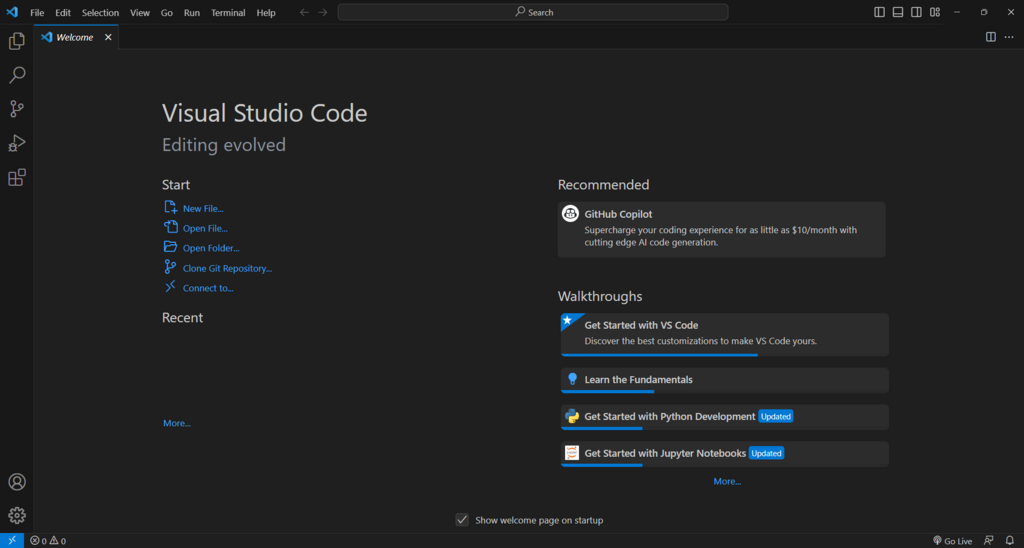
Once Node.js is ready, you can install the TypeScript compiler globally on your system. Open your terminal or command prompt and run the following command:
npm install -g typescript
This command installs the TypeScript compiler (tsc), which you'll use to convert your TypeScript (.ts) files into plain JavaScript (.js) files that can run in any browser or Node.js environment.
Next, you'll want to create a tsconfig.json file in your project's root directory. This file tells the TypeScript compiler how you want it to behave. You can generate a default configuration file by running this command in your project folder:
tsc --init
This will create a tsconfig.json file with many commented-out options. For now, the defaults are fine. This file signals to your code editor that you're in a TypeScript project, enabling all the smart tooling we talked about.
And that's it. You've now got everything you need to start writing TypeScript code.