TypeScript Essentials
Introduction to TypeScript
JavaScript with Superpowers
Think of TypeScript as a version of JavaScript that helps you write better code. It's built on top of JavaScript, so all your existing JavaScript knowledge still applies. The main addition is a system of 'types' that helps you catch mistakes before you even run your program.
TypeScript has emerged as a powerful tool for developers looking to enhance their JavaScript projects with static typing and advanced language features.
In regular JavaScript, you can create a variable and give it a number, then later give it a string of text. JavaScript is fine with this flexibility, but it can lead to unexpected bugs. TypeScript adds a layer of safety by letting you declare what type of data a variable should hold, like a number, a string, or something more complex. If you try to assign the wrong type of data, TypeScript will warn you immediately.
Catching Errors Early
The single biggest benefit of TypeScript is static type-checking. This sounds technical, but it just means your code is checked for type-related errors as you write it, not when it's running in a browser or on a server. This prevents a whole class of common bugs.
Imagine a function that adds two numbers. In JavaScript, if you accidentally pass it a number and a string, you might get a weird result like "52" instead of 7. TypeScript spots this mismatch right away and tells you about it.
This early feedback loop is incredibly powerful. It makes your code more reliable and predictable, especially in large projects or when working with a team. It also makes refactoring—the process of restructuring existing code—much safer, because TypeScript will immediately flag any parts of your code that break because of your changes.
Setting Up Your Environment
Getting started with TypeScript is straightforward. You'll need Node.js and its package manager, npm, which you likely already have if you've done any modern web development. Once you have npm, you can install the TypeScript compiler.
The compiler is a tool that reads your TypeScript code and translates it into plain JavaScript that browsers and other environments can understand. You can install it globally on your machine by running the following command in your terminal:
npm install -g typescript
This command tells npm to install the typescript package globally (-g), making the TypeScript compiler (tsc) available from any directory.
Next, you need a configuration file to tell the compiler how to behave. This file is called tsconfig.json. You can generate a default one by running this command in your project's root folder:
tsc --init
This creates a tsconfig.json file with many commented-out options. For now, the defaults are fine. This file is the control center for your TypeScript project.
Editor Integration
One of the best parts of using TypeScript is the enhanced experience you get in your code editor. Modern editors like Visual Studio Code have amazing built-in support for TypeScript.
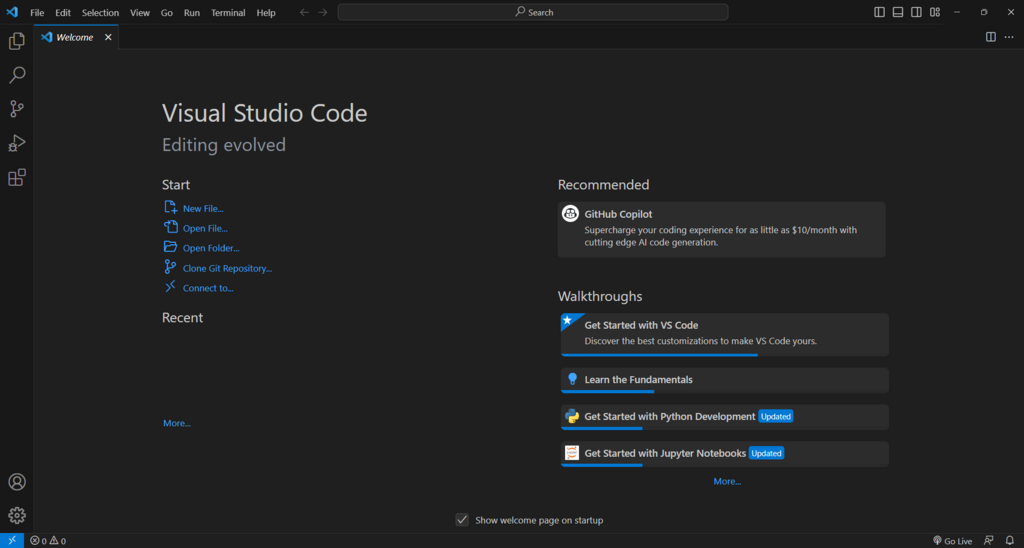
Because your editor understands the types in your code, it can provide intelligent autocompletion, show you documentation for functions as you type, and highlight errors in real-time. This isn't just a small convenience; it fundamentally changes how you write code, making you faster and more accurate.
Most popular editors, including Atom, Sublime Text, and WebStorm, also have great TypeScript integration, either built-in or available through plugins. This tight feedback loop between writing code and seeing potential errors is what makes TypeScript so productive.
What is the primary feature that TypeScript adds to JavaScript?
The main purpose of the TypeScript compiler (tsc) is to convert TypeScript code into plain JavaScript.
Now you have a basic understanding of what TypeScript is, why it's useful, and how to get it set up on your machine.