Turkish Language A1
Turkish Alphabet
The Turkish Alphabet
Getting started with Turkish has a pleasant surprise: the alphabet. It uses Latin letters, just like English, but with a few modifications. It was adopted in 1928, replacing the older Perso-Arabic script.
The best part? The Turkish alphabet is almost perfectly phonetic. Each letter has one, and only one, sound. Once you learn the sounds, you can pronounce any word you see. This makes reading and speaking much easier right from the start.
Beginners will be glad to know Turkish is a phonetic alphabet, so words are always pronounced according to the distinct sound of each letter.
The alphabet has 29 letters: 8 vowels and 21 consonants. Let's look at the ones that might be new to you.
Letters You Might Not Know
Most Turkish consonants sound just like they do in English. But a few special characters have unique sounds you'll need to learn. Mastering these is a key step to sounding like a native speaker.
| Letter | Sound | Example |
|---|---|---|
| Çç | 'ch' as in church | çay (tea) |
| Şş | 'sh' as in shoe | şeker (sugar) |
| Öö | 'ur' in burn or 'ir' in bird | dört (four) |
| Üü | like the 'u' in the French word 'tu' | üzüm (grape) |
| Ğğ | The silent 'soft g' (yumuşak ge) | dağ (mountain) |
The letter Ğ (yumuşak ge) is special. It's almost always silent. Its job is to lengthen the vowel that comes before it. For example, the word dağ (mountain) is pronounced like 'daa'. You don't pronounce the 'ğ' at all. Think of it as a ghost letter.
The Dotted and Dotless I
Turkish has two different letters for 'i'. This is one of the most important distinctions to learn, as mixing them up can change the meaning of a word.
- İi (with a dot) sounds like the 'ee' in "see" or "meet". Both the uppercase and lowercase versions have a dot.
- Iı (without a dot) makes a sound that doesn't really exist in English. It's similar to the 'u' sound in the word "stadium" or the 'a' in "serial". The uppercase 'I' looks normal, but its lowercase partner 'ı' has no dot.
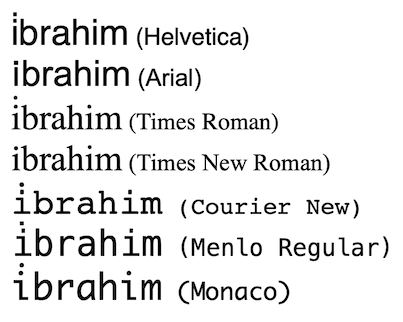
Let’s see the difference in action. The word ılık (ull-uhk) means "warm." But if you wrote ilik (ee-leek), it would mean "marrow." Paying attention to the dots is crucial!
The Full Alphabet
Here is the complete Turkish alphabet with a guide to pronunciation. The letters Q, W, and X are not part of the official alphabet but may appear in foreign loanwords.
| Letter | Pronunciation (like the bold part) |
|---|---|
| A a | arm |
| B b | bed |
| C c | jam |
| Ç ç | church |
| D d | dog |
| E e | egg |
| F f | fan |
| G g | go |
| Ğ ğ | lengthens the vowel before it (usually silent) |
| H h | hat |
| I ı | a in serial |
| İ i | ee in see |
| J j | s in measure |
| K k | key |
| L l | lamp |
| M m | man |
| N n | no |
| O o | or |
| Ö ö | ir in bird |
| P p | pen |
| R r | red (can be slightly rolled) |
| S s | sun |
| Ş ş | shoe |
| T t | top |
| U u | oo in book |
| Ü ü | u in French 'tu' |
| V v | van |
| Y y | yes |
| Z z | zoo |
Take some time to say each letter out loud. Since Turkish is phonetic, practicing these sounds is the single most important thing you can do to get started. It builds the foundation for everything else.
What is a key feature of the Turkish alphabet that makes it easier for beginners to learn?
What is the primary function of the letter 'Ğ' (yumuşak ge)?
With these letters, you have the building blocks to pronounce any Turkish word. Happy practicing!