Turkish Individual Employment Law
Introduction to Turkish Employment Law
The Foundation of Turkish Labor Law
In Turkey, the relationship between an employer and an employee isn't just a simple agreement. It's governed by a comprehensive set of rules designed to ensure fairness and stability. The cornerstone of this system is the Labor Law No. 4857.
Labor Law No. 4857 serves as the principal legislation governing labor practices in Turkey.
This law applies to nearly all employment relationships, laying out the fundamental rights and obligations for both sides. Think of it as the rulebook for the workplace. But more than just a list of dos and don'ts, the law is built on a few core ideas that shape how it's interpreted and applied.
Core Principles
Turkish employment law operates on the principle of protecting the employee. The law often views the employee as the party with less bargaining power in the relationship. Because of this, many of its rules are designed to shield workers from unfair treatment and ensure their basic rights are met.
However, it's not a one-sided affair. The law strives for a careful balance. It aims to protect employees while also recognizing the needs and interests of employers to run their businesses effectively. This balancing act is central to creating a healthy and productive work environment.
This concept reflects Turkey's constitutional identity as a "social state" (sosyal devlet), where the government actively works to ensure social justice and equality for its citizens, including in the workplace.
The Regulatory Body
Having a rulebook is one thing, but you also need a referee. In Turkey, that role is filled by the Ministry of Labor and Social Security (Çalışma ve Sosyal Güvenlik Bakanlığı). This government body is responsible for overseeing the entire employment landscape.
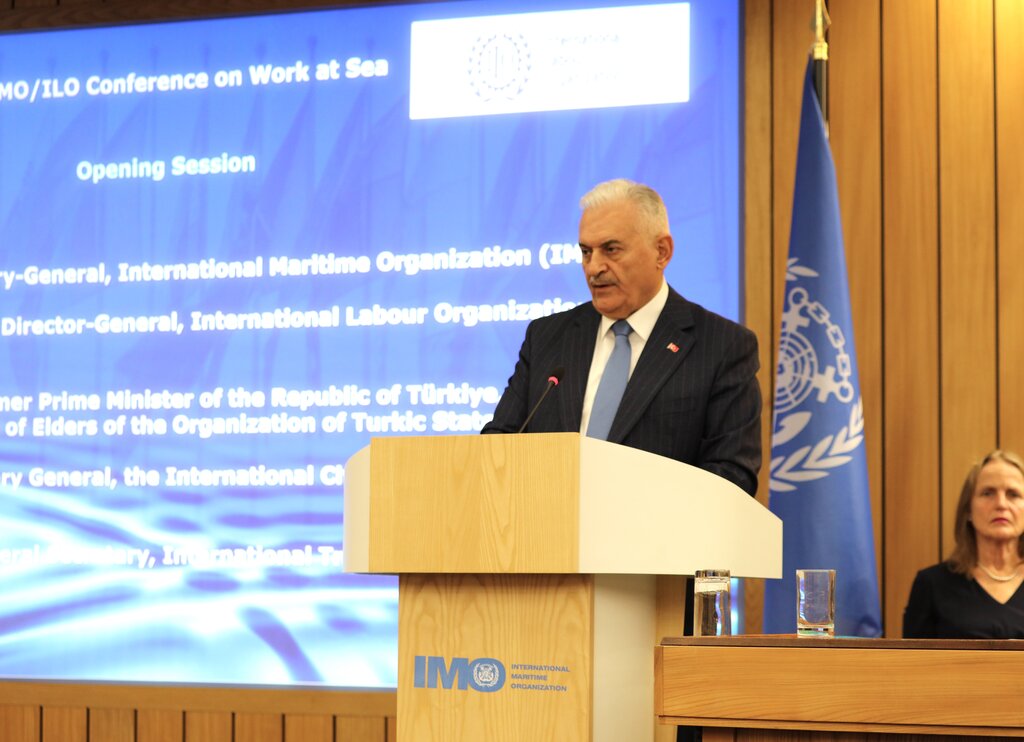
The Ministry's functions are broad. It drafts and implements labor policies, conducts workplace inspections to ensure compliance with the law, and mediates disputes between employers and employees. It also manages the country's social security system and plays a key role in setting the national minimum wage.
Essentially, the Ministry is the primary authority tasked with putting the principles of the Labor Law into practice, ensuring the system functions as intended and the balance between employer and employee interests is maintained.
Now, let's check your understanding of these foundational elements.
What is the primary piece of legislation that governs most employment relationships in Turkey?
Which principle is central to the interpretation and application of Turkish employment law?
Understanding this basic framework of the law, its principles, and its regulator is the first step to navigating employment in Turkey.