Tunnel Lining Design for Hydro Projects
Introduction to Tunnel Engineering
Moving Water Through Mountains
In hydropower projects, the goal is simple: use the force of falling water to generate electricity. But what if your water source, like a high-altitude lake, is separated from your ideal powerhouse location by a massive mountain? You can't go over it, and you can't go around it. You have to go through it.
This is where tunnels come in. They are essentially man-made rivers, designed to carry huge volumes of water from a reservoir to the turbines that generate power. By cutting a direct path through rock and earth, tunnels create a steep, controlled drop for the water, maximizing the potential energy that can be converted into electricity. In pumped storage projects, these same tunnels can be used in reverse to pump water back up to the reservoir, effectively storing energy for later use.
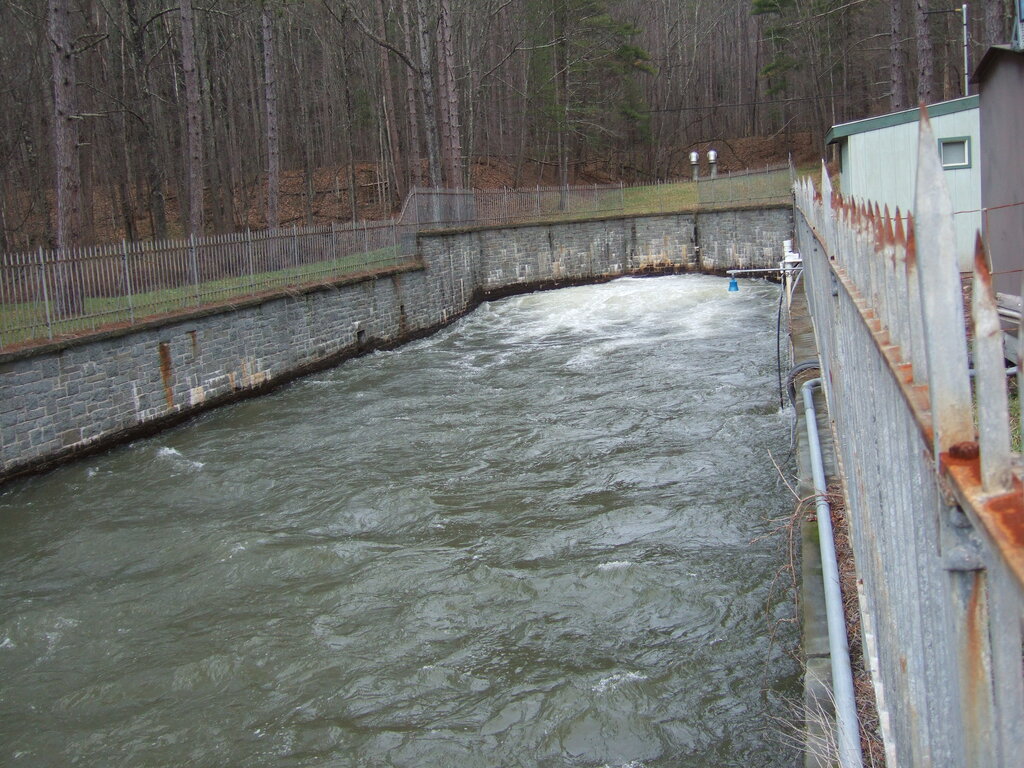
Tunnels in these systems aren't just for carrying water to the turbines. They also serve as diversion tunnels to reroute rivers during dam construction, access tunnels for workers and equipment, and tailrace tunnels to return water back to the river after it has passed through the powerhouse.
Types of Water Tunnels
Water-carrying tunnels, known as waterways or conduits, generally fall into two categories based on how they handle water pressure.
Pressure Tunnels: These tunnels are designed to run completely full of water under high pressure. Think of it like a massive steel pipe buried in the mountain. The internal water pressure pushes outwards on the tunnel lining and the surrounding rock. These are common for the final, steep section of the waterway leading directly to the turbines, called the penstock.
This high pressure is what gives the water the immense force needed to spin the turbines efficiently.
Free-Flow Tunnels: These operate more like a canal or a gentle river, with water flowing downhill due to gravity but not filling the entire tunnel. The water surface is open to the air inside the tunnel, so there is no significant pressure pushing on the tunnel's ceiling. These are often used for the initial, less steep sections of the water's journey.
Design and Construction
Designing a tunnel is a complex balancing act between geology, hydraulics, and cost. The first decision is the route. The ideal path is the shortest, straightest line through the most stable rock possible. Geologists conduct extensive surveys to find this route, avoiding fault lines and weak rock formations that could make construction dangerous and expensive.
The shape of the tunnel also matters. While a circular shape is the strongest for resisting pressure from all directions, a horseshoe or D-shape can be easier to excavate and provides a flat floor for construction equipment. The choice depends on the rock quality and whether the tunnel will be under pressure.
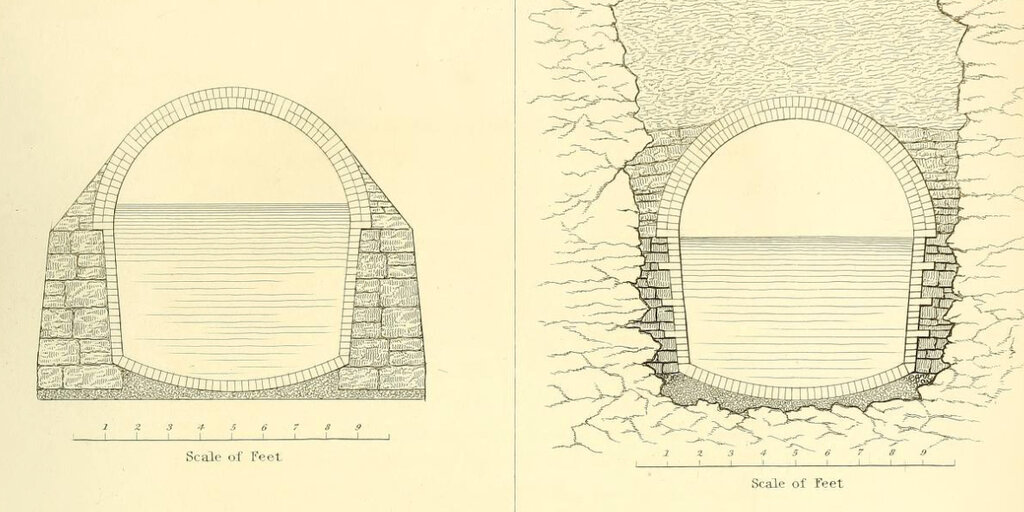
Once the design is set, construction begins. There are two primary methods for excavating hard rock tunnels.
Drill and Blast: This is the classic method. Holes are drilled into the rock face, packed with explosives, and detonated. The resulting rubble, called muck, is hauled out, and the process repeats. It’s a cyclical and relatively slow process but is versatile and works in varied geological conditions.
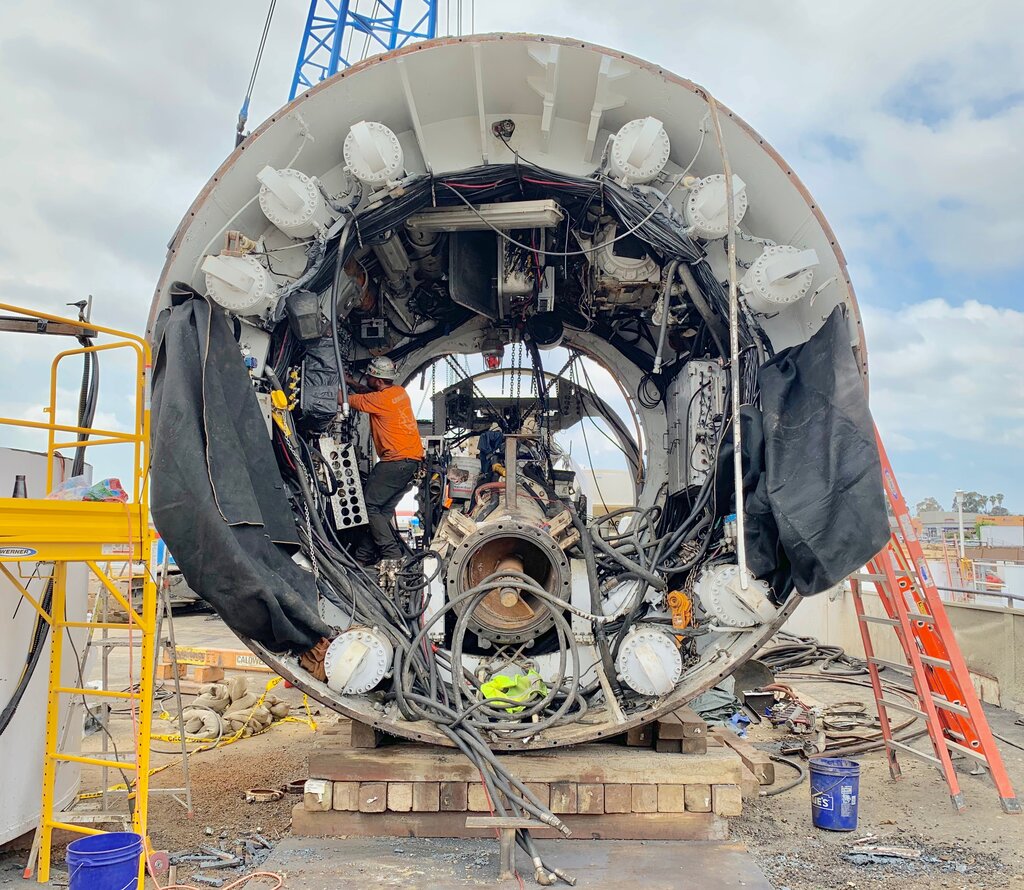
Tunnel Boring Machine (TBM): A TBM is a massive, cylindrical machine with a rotating cutter head that grinds away the rock face. As it moves forward, it can also install concrete lining segments behind it, making it a continuous, assembly-line-like process. TBMs are incredibly fast and efficient in uniform rock conditions but are very expensive and custom-built for a specific project.
Regardless of the method, once the tunnel is excavated, it's typically lined with concrete or steel. This lining provides a smooth surface for water flow, prevents leaks, and supports the surrounding rock.
What is the primary reason for building tunnels in hydropower projects located in mountainous terrain?
In the context of hydropower, what is a "tailrace" tunnel used for?
Understanding these fundamentals—the purpose, types, and construction of tunnels—is the first step. Next, we'll explore how the immense pressures from surrounding rock and internal water affect the tunnel's structure.