Tuberculosis: Understanding a Global Health Challenge
Introduction to Tuberculosis
An Ancient Disease
Tuberculosis, or TB, is an infectious disease caused by a bacterium called Mycobacterium tuberculosis. It's one of the oldest diseases known to affect humans, with evidence found in remains dating back thousands of years. While it can attack any part of the body, including the kidney, spine, and brain, it's primarily known as a disease of the lungs.
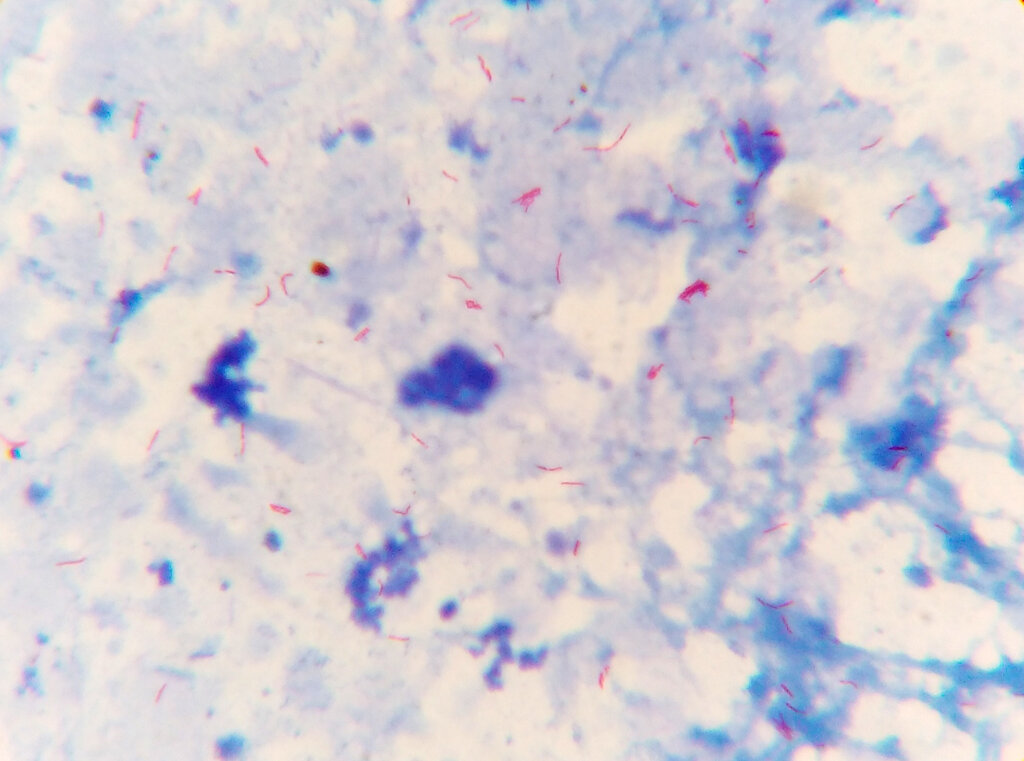
The bacterium itself is resilient. It has a unique, waxy cell wall that protects it from being easily destroyed by the body's immune defenses. This toughness is one reason why the infection can persist for so long.
How TB Spreads
The TB bacterium spreads from person to person through the air. When someone with active TB disease in their lungs coughs, sneezes, speaks, or sings, they release tiny droplets containing the bacteria. If another person inhales these droplets, they can become infected.
It’s important to know that TB is not spread by shaking someone's hand, sharing food or drink, or touching bed linens or toilet seats. Prolonged close contact with an infected person is typically required for transmission to occur.
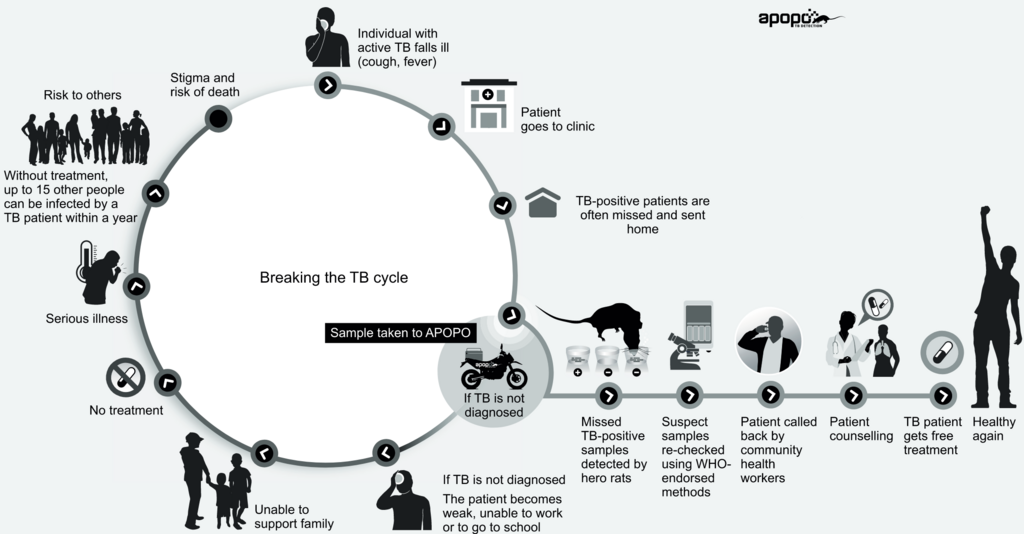
Latent vs. Active TB
Not everyone infected with TB bacteria becomes sick. There are two distinct conditions: latent TB infection and active TB disease. Understanding the difference is key.
Someone with a latent TB infection has the bacteria in their body, but it’s in an inactive, dormant state. Their immune system is keeping it under control. They have no symptoms and cannot spread the bacteria to others. However, the infection can become active later in life, especially if their immune system weakens.
Globally, it's estimated that about one-quarter of the world's population has a latent TB infection.
Active TB disease occurs when the bacteria overcome the immune system's defenses and begin to multiply. This is when a person feels sick and can transmit the bacteria to others. Without treatment, active TB can be fatal. This distinction explains why TB remains a major public health issue, as a large reservoir of latently infected individuals exists worldwide.
| Feature | Latent TB Infection | Active TB Disease |
|---|---|---|
| Bacteria State | Inactive, dormant | Active, multiplying |
| Symptoms | None | Present (cough, fever, etc.) |
| Contagious? | No | Yes, if in lungs or throat |
| Chest X-ray | Usually normal | Usually abnormal |
| Sputum Test | Negative | Positive for TB bacteria |
Grasping these fundamentals—what TB is, how it spreads, and its two distinct phases—is the first step toward understanding its impact and the efforts to control it.