Truck Engine Mechanics Explained
Engine Basics
Turning Fuel into Force
An internal combustion engine is a power-generating machine. Its job is to convert the chemical energy stored in fuel into mechanical energy, or motion. Think of it as a device that harnesses the power of thousands of tiny, controlled explosions every minute.
This process happens inside a cylinder, where a tight-fitting piston moves up and down. This linear motion is then converted into rotational motion by a crankshaft, which ultimately turns the wheels of a vehicle. The magic lies in how the engine gets the piston to move with such force.
The Four-Stroke Cycle
Most common engines, like the ones in cars and trucks, operate on a four-stroke cycle. It’s a repeating sequence of four events that work together to produce power. Each stroke corresponds to one full travel of the piston, either up or down the cylinder.
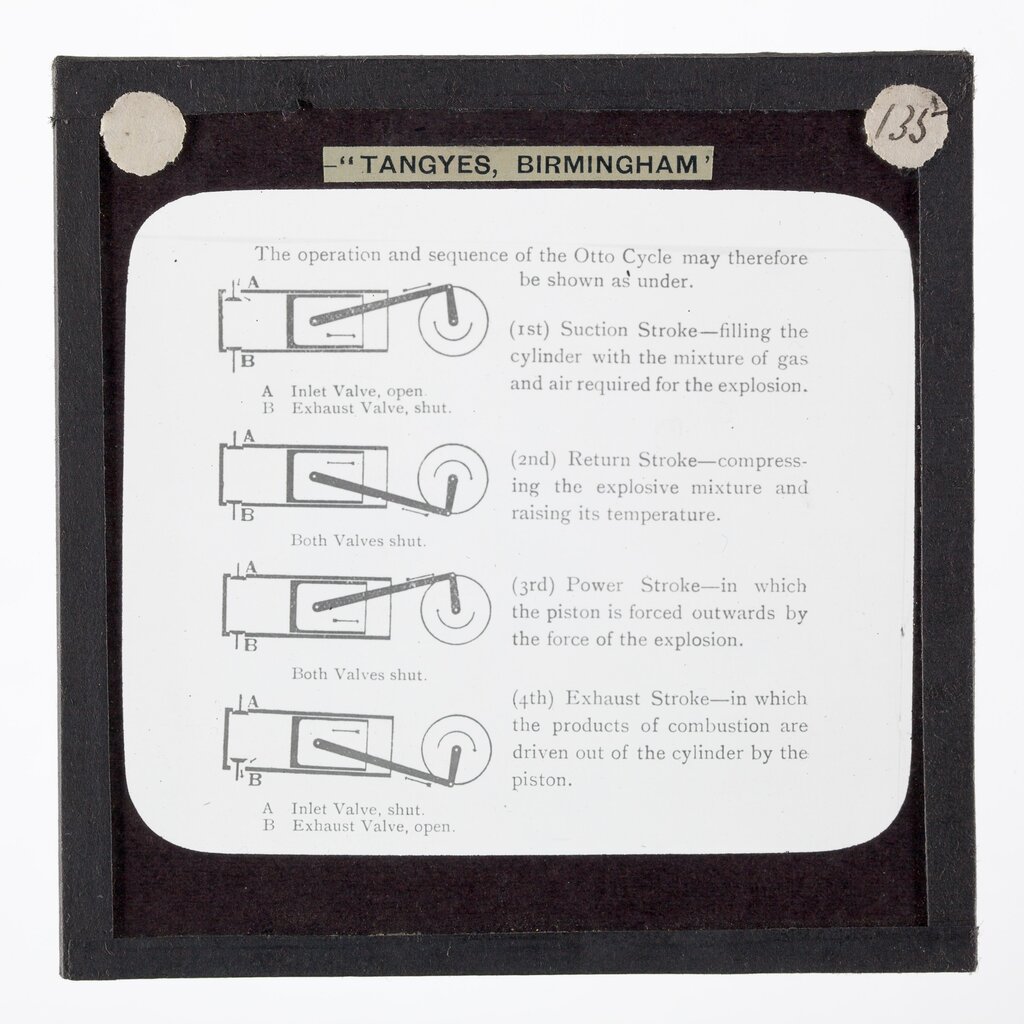
Here’s a breakdown of the cycle:
-
Intake: The piston moves down, creating a vacuum. The intake valve opens, and a mixture of air and fuel is drawn into the cylinder.
-
Compression: The intake valve closes, and the piston moves back up. This squeezes the air-fuel mixture into a much smaller space, increasing its pressure and temperature.
-
Power (or Combustion): With the mixture highly compressed, a spark plug ignites it. The resulting explosion creates immense pressure, forcing the piston down with great force. This is the stroke that generates the engine's power.
-
Exhaust: As the piston reaches the bottom, the exhaust valve opens. The piston travels back up, pushing the burnt gases out of the cylinder to make way for the next cycle.
This entire four-stroke sequence happens incredibly fast. In a typical car engine at highway speed, each cylinder completes this cycle dozens of times every second.
Two Main Flavors
While most engines use the four-stroke cycle, they can be categorized into two main types based on how they ignite the fuel.
Spark-Ignition Engines are what you'll find in most gasoline-powered cars. They use a spark plug to ignite the compressed air-fuel mixture, initiating the power stroke. They are known for being relatively quiet and smooth.
Compression-Ignition Engines, better known as diesel engines, work a bit differently. They first pull in only air and compress it to an extremely high pressure. This intense compression heats the air to a very high temperature. Fuel is then injected into this hot, compressed air, and it ignites instantly without needing a spark plug.
| Feature | Spark-Ignition (Gasoline) | Compression-Ignition (Diesel) |
|---|---|---|
| Ignition Method | Spark plug | Heat from high compression |
| Fuel Type | Gasoline | Diesel |
| Common Use | Cars, light trucks | Heavy trucks, buses, trains |
Diesel engines are common in large trucks because they are very efficient and produce more torque, or rotational force, which is essential for hauling heavy loads. That power is what gets a fully loaded semi-trailer moving from a standstill.
Let's check your understanding of these core concepts.
What is the primary energy conversion that occurs in an internal combustion engine?
What is the correct order of events in a four-stroke engine cycle?
Understanding this fundamental cycle is the first step to knowing how the vehicles we rely on everyday get their power.