Troubleshooting Vintage Computers
Introduction to Vintage Computers
The Dawn of Personal Computing
Before the mid-1970s, the word “computer” conjured images of enormous machines humming away in climate-controlled rooms. They were the exclusive domain of corporations, universities, and governments. The idea of owning a computer was like owning your own power plant—a fantasy for all but a select few.
Everything changed with the arrival of the microcomputer. These were machines built around a single microprocessor chip, making them vastly smaller and cheaper than the mainframes of the era. They weren't powerful, but they were personal.
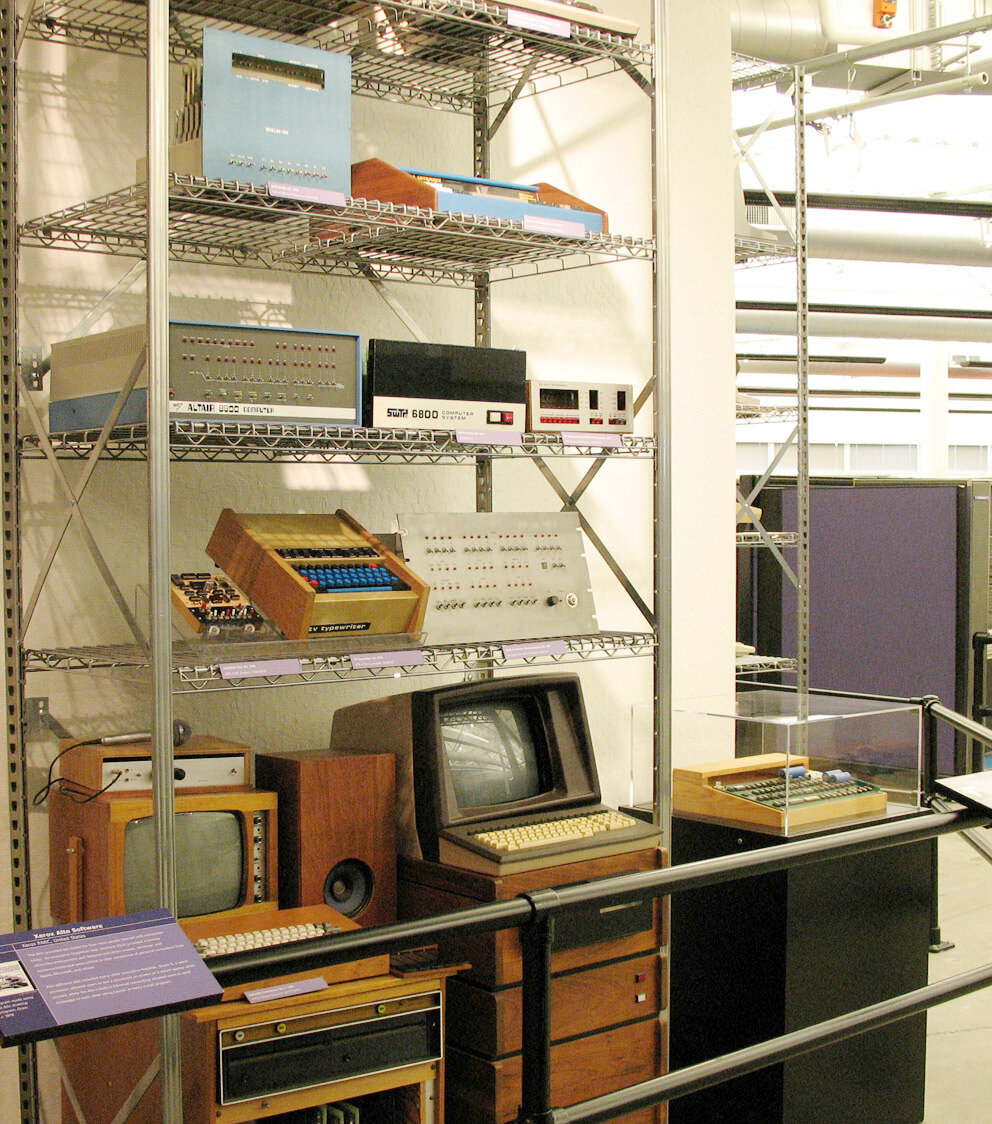
One of the most important early models was the Altair 8800, released in 1975. It arrived as a kit, meaning you had to solder it together yourself. It had no screen and no keyboard. You programmed it by flipping a series of switches on the front panel, and its output was just a pattern of flashing lights. Despite its limitations, the Altair sparked a revolution, inspiring a generation of hobbyists and entrepreneurs to imagine what a computer for everyone could look like.
From Hobby Kits to Desktops
The years following the Altair saw an explosion of innovation. Companies like Apple, Commodore, and Tandy brought pre-assembled computers into homes and schools. The market was chaotic and exciting, with dozens of incompatible systems competing for dominance.
Established giants like IBM eventually entered the fray. In 1984, they released the IBM PCjr. Marketed as a home computer, it was meant to be a cheaper, friendlier version of their successful IBM PC. It featured color graphics, sound, and cartridge slots for games, but its quirky keyboard and compatibility issues led to poor sales. It was a commercial flop, but it represented a major attempt to bridge the gap between serious business machines and family-friendly devices.
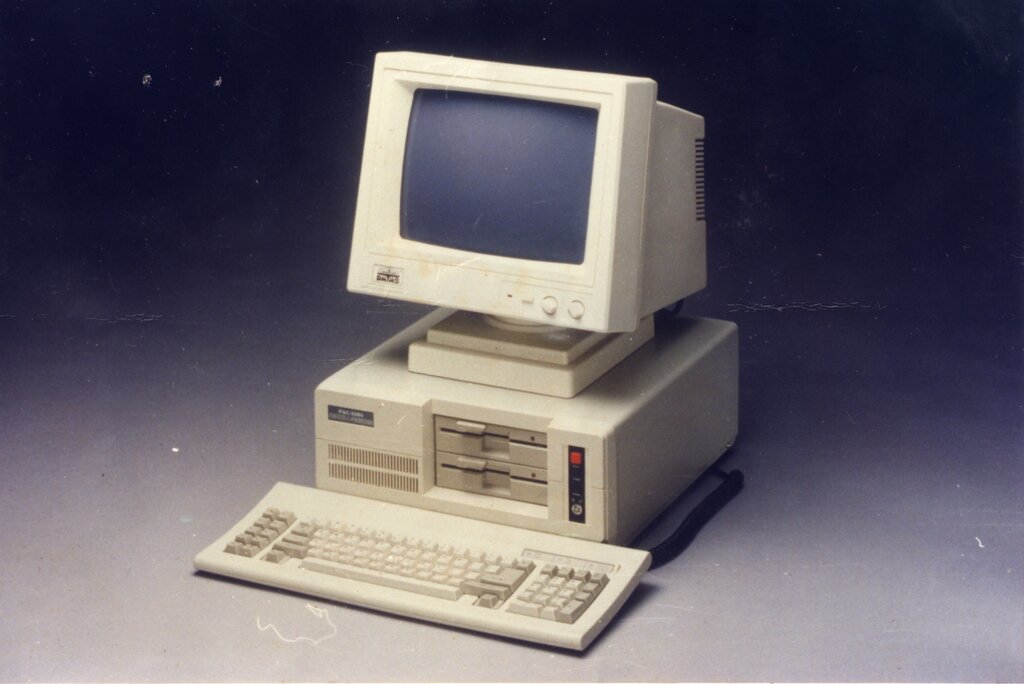
Just a few years later, the industry took another massive leap forward with machines like the Compaq Deskpro 386. Released in 1986, it was one of the first computers built around the new Intel 80386 processor. This chip introduced 32-bit computing to the mainstream, offering a dramatic increase in speed and multitasking capabilities. It set a new standard for performance and solidified the IBM-compatible PC as the dominant architecture for decades to come.
The Aches and Pains of Old Hardware
Keeping these old machines running is a challenge. Decades-old electronics are fragile, and time is not kind to their components. One of the most common points of failure is the capacitors. These tiny cylinders store and regulate electrical charge, but the electrolyte inside them can dry out or leak over time, causing system instability or complete failure.
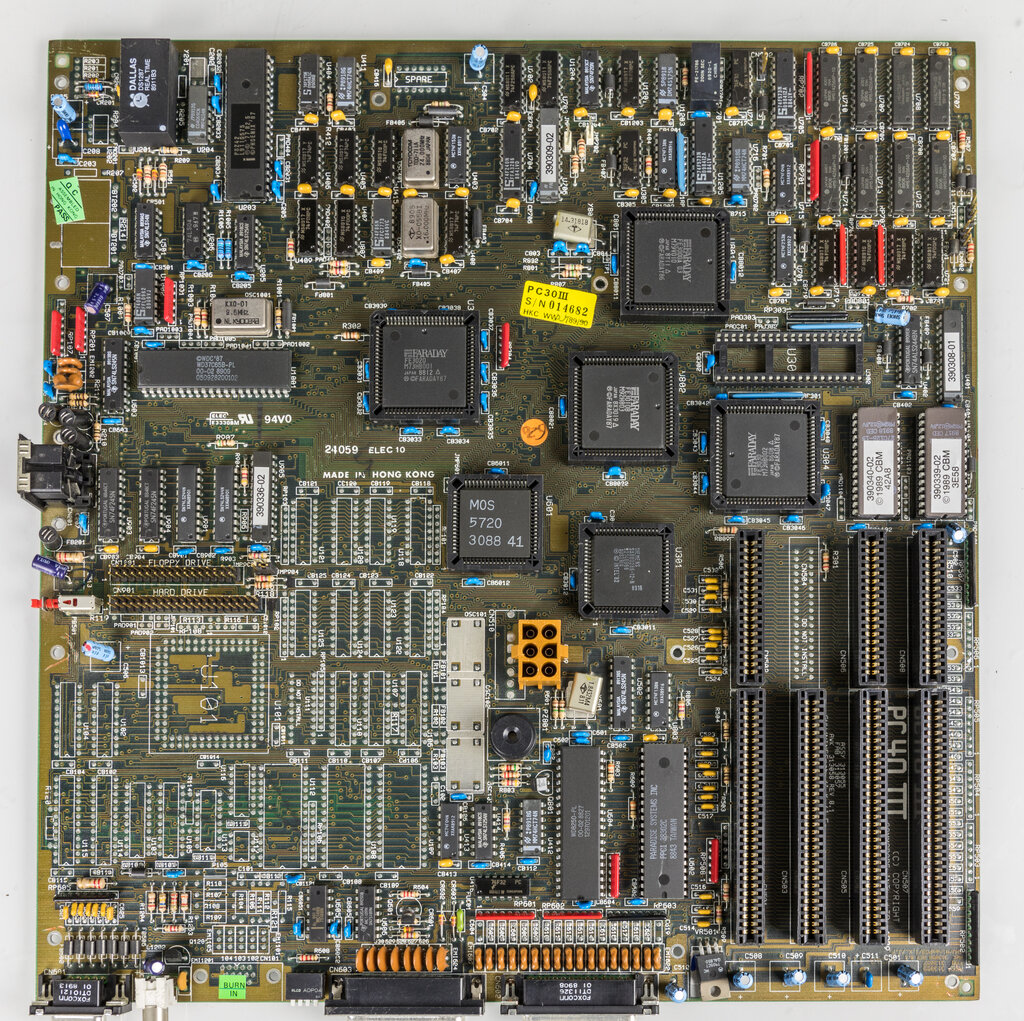
Anything with moving parts is also a risk. The motors in floppy drives and early hard disks can seize up, and the magnetic surfaces that hold data can degrade, making files unreadable. Even the plastic casings become a problem. The chemicals used in old beige plastics can react with UV light, causing them to turn yellow and become brittle enough to crack from a small bump.
A hidden danger lies in the small batteries used to keep the system's clock and settings saved when the power is off. After decades, these batteries can leak corrosive acid onto the motherboard, permanently destroying the delicate electronic pathways.
When Software Shows Its Age
Hardware is only half the battle. Finding and running vintage software presents its own set of problems. Programs were often written for a very specific combination of hardware and operating system, so a game made for one computer model might not work on another, even from the same era.
Data storage is another hurdle. Information was stored on magnetic media like floppy disks and cassette tapes, which are notoriously unreliable. They are easily damaged by magnetic fields, heat, and humidity. A disk that worked perfectly a decade ago might be a blank piece of plastic today, its data lost to time. This is often called "bit rot."
The biggest challenge in maintaining legacy systems is often the lack of resources. Original manuals, drivers, and compatible software can be nearly impossible to find.
Finally, there's security. Vintage computers were designed in an era before the internet was widespread, so their operating systems have virtually no modern security features. Connecting an old machine like a Windows 95 PC directly to the internet today is extremely risky, as it's vulnerable to countless unpatched exploits.
Ready to test your knowledge on the basics of vintage computing?
What was a defining characteristic of the Altair 8800, one of the first microcomputers?
The Compaq Deskpro 386, released in 1986, represented a major leap forward in personal computing because it:
Understanding these common hardware and software issues is the first step in diagnosing and restoring these fascinating pieces of history.