Tripod Beta Method for Root Cause Analysis
Introduction to Root Cause Analysis
Beyond the Surface
When something goes wrong, our first instinct is to fix it. A server goes down, we restart it. A deadline is missed, we work overtime. These are fixes, but they often only address the symptom, not the underlying illness. Root Cause Analysis, or RCA, is a method for digging deeper. It’s a systematic way of finding out not just what happened, but why it happened.
Think of it like a doctor's visit. You don't just want a pill for your headache; you want to know what's causing it. RCA is the diagnostic process for problems in any system.
The goal is to identify the fundamental cause of an issue. By fixing the problem at its source, you can prevent it, and similar problems, from happening again.
Symptoms vs. Causes
It’s crucial to distinguish between immediate causes and root causes. An immediate cause is the most obvious reason for a problem. It's the thing that happened right before the incident. A root cause is the reason the immediate cause happened in the first place.
Imagine you find a puddle of water on your kitchen floor. The immediate cause is a leaky pipe under the sink. You could just patch the leak and be done. But a good RCA process pushes you to ask why the pipe was leaking. You might find that the pipe was old and corroded. That corrosion is the root cause. Patching the leak solves the immediate issue, but replacing the old section of pipe prevents future leaks.
Stopping at the immediate cause is like mopping up the puddle without fixing the leak. You'll be mopping again soon. A systematic investigation that uncovers the root cause leads to more permanent and effective solutions. This proactive approach saves time, resources, and prevents the same headaches from popping up over and over.
Common Approaches
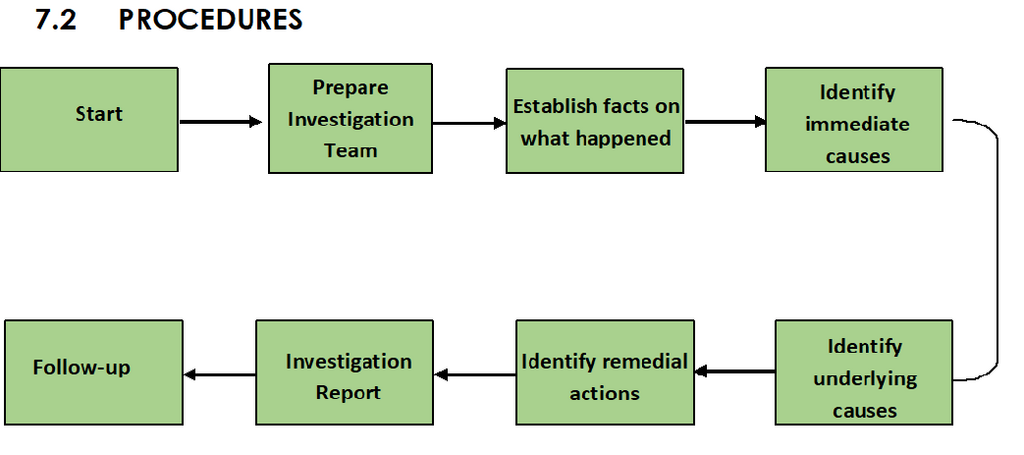
There are many ways to conduct a Root Cause Analysis. The method you choose often depends on the complexity of the problem. Here are a couple of common techniques.
Root cause analysis involves asking "why" repeatedly to delve deeper into the underlying issues until you reach the core problem.
The 5 Whys is a simple but powerful technique. You state the problem and then ask "Why?" five times, with each answer forming the basis of the next question. This process helps you peel back the layers of an issue.
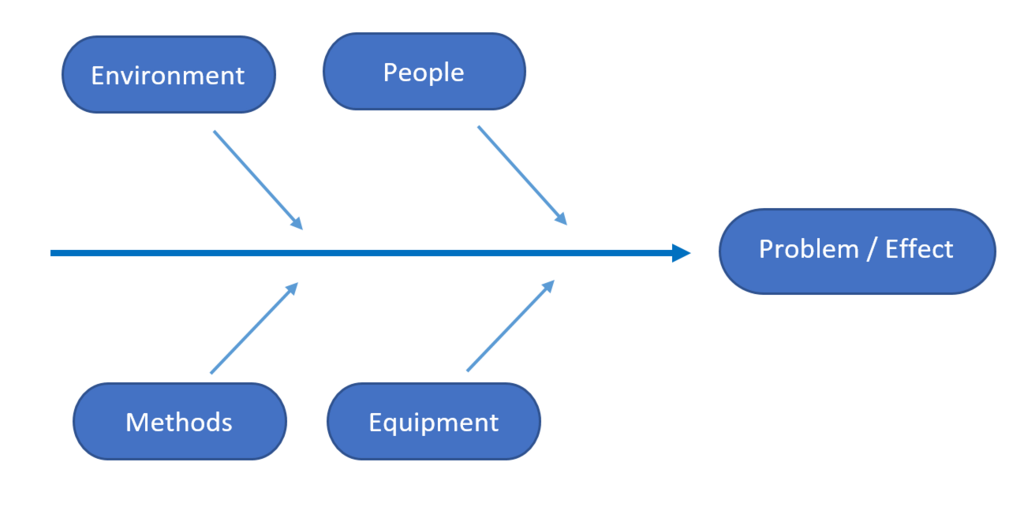
Another popular method is the Fishbone Diagram, also known as an Ishikawa Diagram. It helps teams brainstorm potential causes by sorting them into categories like People, Methods, Equipment, and Environment. This visual tool provides a structured way to explore all possible contributing factors.
These are just a few examples. The key principle is the same across all methodologies: move past the obvious symptoms to find and fix the foundational issue.
What is the primary goal of Root Cause Analysis (RCA)?
A website is running slowly. An investigation reveals that the database server has high CPU usage. Restarting the server temporarily solves the problem. In this scenario, the high CPU usage is the ________.