Trees and Mushrooms An Unlikely Friendship
Tree Anatomy
The View From Outside
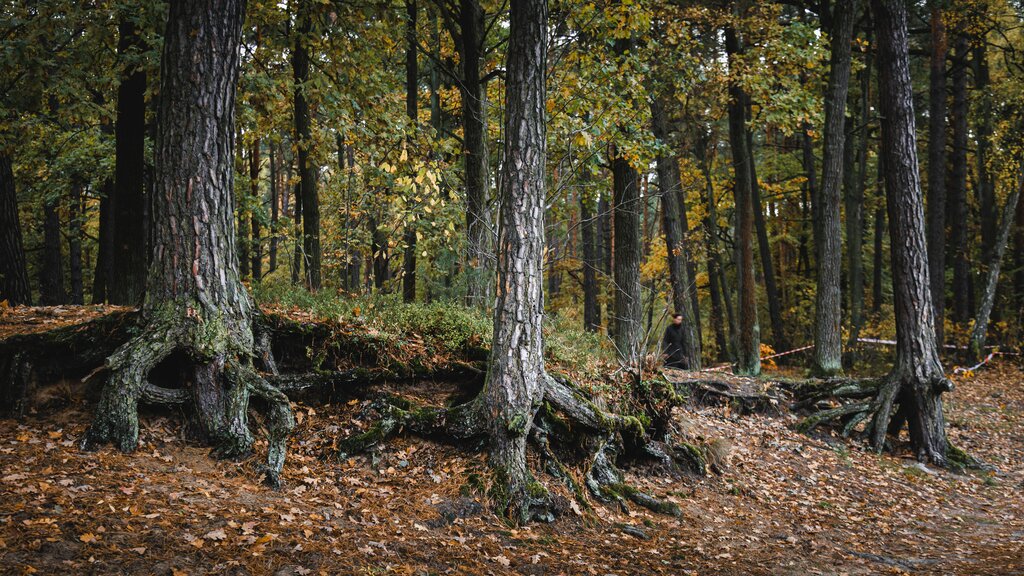
At a glance, a tree is simple: roots in the ground, a trunk reaching up, and a crown of branches and leaves. Each part has a critical job. The roots act as both an anchor and a straw. They hold the tree firmly in the soil while pulling up water and essential minerals.
The trunk and branches form the tree's skeleton, providing support and lifting the leaves toward the sunlight. Branches grow from specific points called nodes. The space between these nodes is the internode. This structure ensures that leaves are spread out to capture as much light as possible.
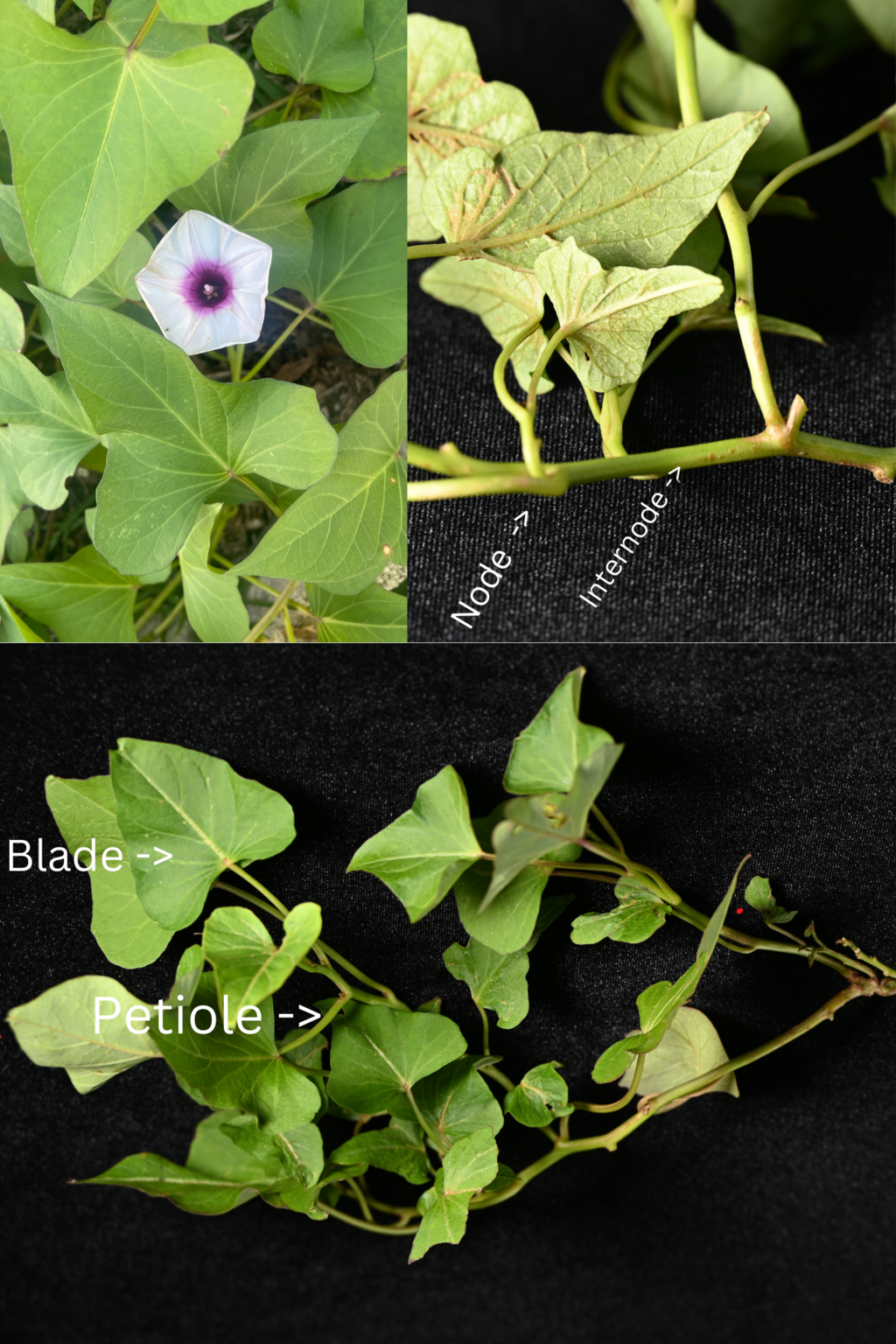
Leaves are the tree's solar-powered food factories. Their broad, flat surfaces are designed to maximize sun exposure. This is where photosynthesis, the process of converting light into energy, happens.
A Look Inside the Trunk
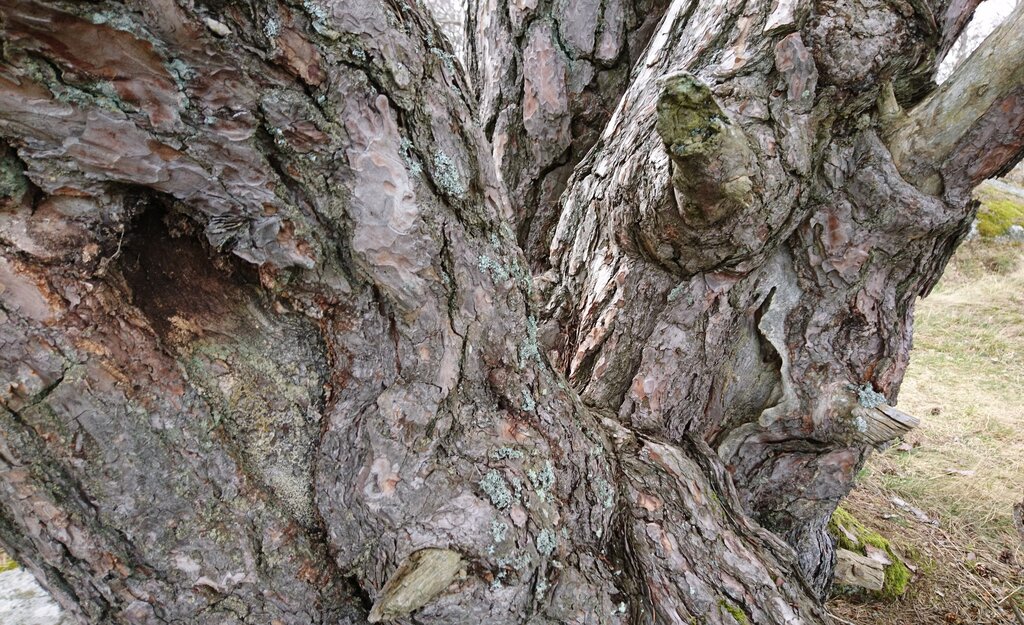
A tree's trunk is more than just solid wood. It's a complex system of layers, each with a specific function, all protected by the outer bark. Bark acts as the tree's armor, shielding it from insects, disease, and physical damage like fire.
Just beneath the bark lies a bustling transportation network. Think of it like a building's plumbing and electrical systems. There are three key layers: the phloem, the cambium, and the xylem.
The phloem is the innermost layer of the bark. Its job is to transport sugars, the food produced in the leaves during photosynthesis, down to the rest of the tree.
The xylem is the woody part of the trunk. It forms a pipeline that carries water and nutrients from the roots up to the leaves. Older, inactive xylem at the center is called heartwood, which provides structural support. The outer, active xylem is known as sapwood.
Between these two layers is the cambium, a very thin layer of growing tissue. It's the tree's construction crew, producing new phloem cells on its outer side and new xylem cells on its inner side. This is how the tree grows wider each year, creating the annual rings we see in a stump.
cambium
noun
A layer of actively dividing cells between xylem and phloem tissues that is responsible for the secondary growth of stems and roots.
Power and Posterity
Everything a tree does is powered by photosynthesis. It's a chemical reaction that occurs inside the leaves, using sunlight to turn carbon dioxide and water into glucose (sugar) and oxygen. The tree uses the glucose as energy to grow, and it releases the oxygen into the atmosphere.
This process is the foundation of most life on Earth. But a tree's life isn't just about its own survival; it's also about creating the next generation.
Trees reproduce using flowers, which contain the male and female reproductive parts. After pollination, usually by wind or insects, the flower's ovary develops into a fruit that contains seeds. Each seed is a tiny, dormant plant, complete with a food supply, waiting for the right conditions to germinate and grow into a new tree.
Time to see what you've learned about the parts of a tree.
What are the two primary functions of a tree's roots?
A tree grows wider each year due to the production of new cells by which layer?