Travel Medicine for Student Health
Introduction to Travel Medicine
What is Travel Medicine?
Travel medicine is a specialty focused on keeping you healthy while you're away from home. It’s more than just getting a few shots before a trip. It's a comprehensive approach to anticipating, preventing, and managing health issues that can arise when traveling internationally.
The scope is broad. It starts weeks or even months before you leave, with a pre-travel consultation to assess risks. It continues during your trip with education on how to handle common issues like food and water safety. And it concludes after you return, with post-travel checkups to address any health concerns that might have come up.
Why It Matters for Students
Students often travel in ways that present unique health considerations. Whether it’s for a semester abroad, a volunteer project, or a backpacking adventure, student travel can involve longer stays, tighter budgets, and different kinds of activities than a typical vacation.
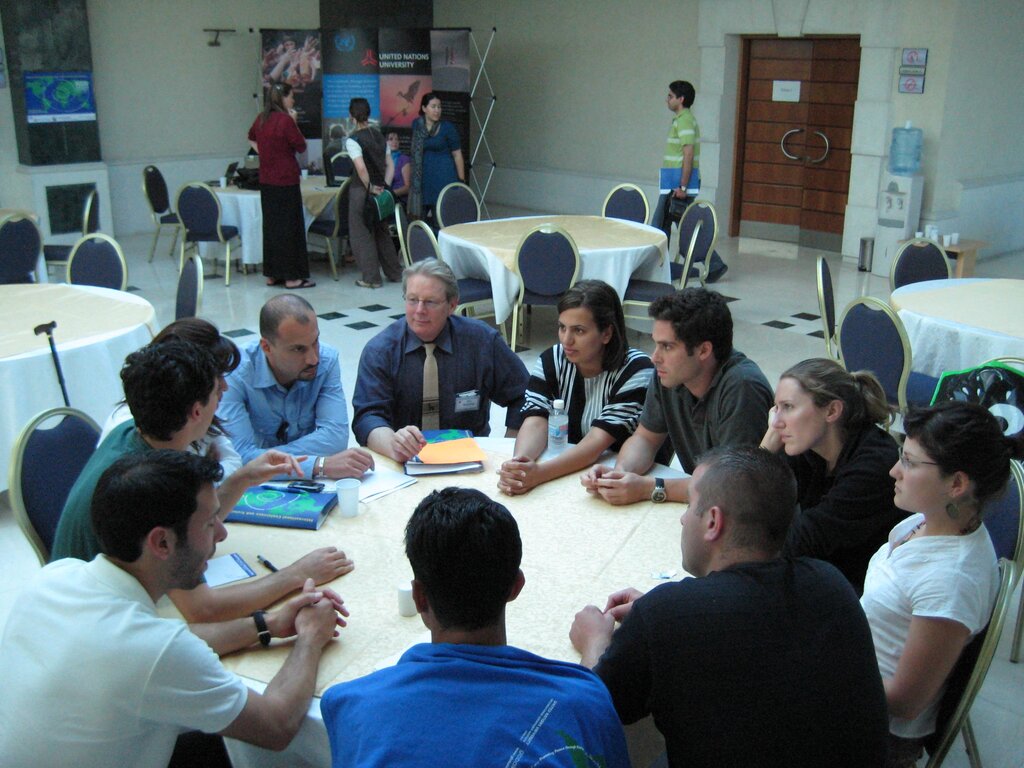
Living in dorms or hostels, eating from local food stalls, and participating in adventurous excursions can increase exposure to certain health risks. Inexperience with international travel can also make it harder to navigate unfamiliar healthcare systems. Proper preparation helps ensure that health issues don't derail an incredible learning experience.
Common Travel Health Risks
Every destination has its own set of potential health challenges. While specific risks vary greatly by region, they generally fall into a few main categories.
Contaminated food and water are the most common causes of travel-related illness. Other risks include diseases spread by insects like mosquitoes and ticks, environmental hazards such as extreme sun or high altitude, and injuries from accidents.
Your Healthcare Provider's Role
A healthcare provider specializing in travel medicine is your most important resource. Their job is to create a personalized health and safety plan for your specific trip. They will consider your destination, the length of your stay, your planned activities, and your personal medical history.
During a consultation, they provide required and recommended vaccinations, prescribe preventive medications (such as for malaria), and offer practical advice on everything from assembling a travel first-aid kit to managing jet lag. They empower you with the knowledge to travel safely and confidently.
Travel Managers have a duty of care responsibility to keep their business travelers safe while on the road and can try to mitigate risk by ensuring they have good programs, policies, and procedures in place should the need arise.
This principle of a "duty of care" applies to individuals, too. Taking the time to consult a professional and establish a health plan is a key part of responsible travel.
What is the primary focus of travel medicine?
According to the principle of "duty of care" for an individual traveler, what is a key part of responsible travel?
Understanding the basics of travel medicine is the first step toward a safe and healthy journey. With the right preparation, you can focus on making the most of your experience.