Travel Journalism Essentials
Introduction to Travel Journalism
More Than a Postcard
Travel journalism is the art of telling stories about places. It's not just about describing a beautiful beach or a historic monument. It’s about capturing the essence of a destination—its culture, its people, its challenges, and its triumphs. A travel journalist acts as a bridge, connecting readers to a world they may have never seen, inspiring curiosity and fostering understanding.
Unlike a simple travel review or a blog post about a vacation, travel journalism requires reporting. It involves research, interviews, and on-the-ground observation to provide context and depth. The goal is to create a narrative that is not only engaging but also informative and authentic.
From Explorer Journals to Digital Nomads
The roots of travel writing go back centuries. Early explorers like Marco Polo and Ibn Battuta kept detailed journals of their journeys. These weren't just personal diaries; they were vital sources of information about faraway lands, introducing entire continents to readers back home.
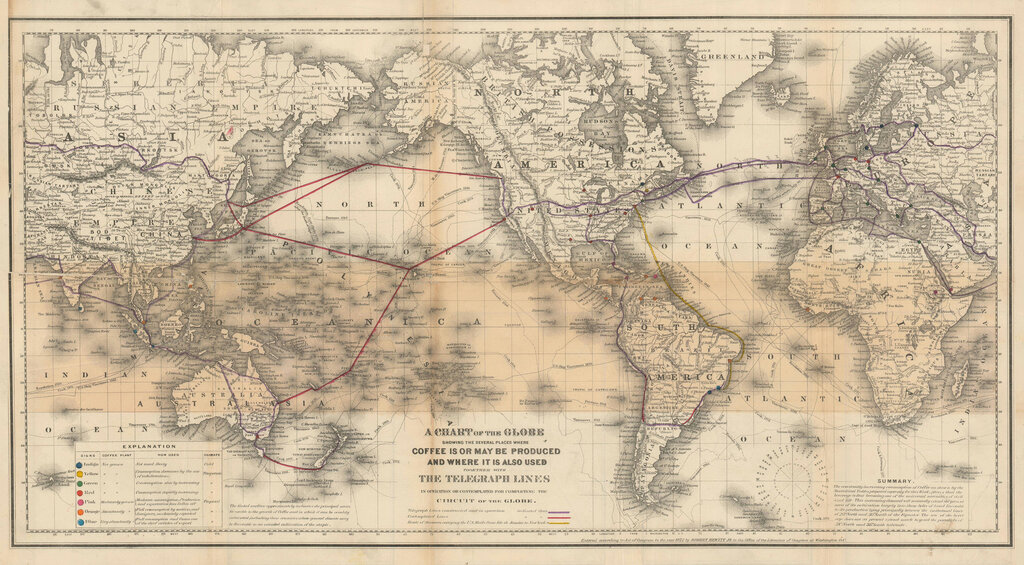
As travel became more accessible, the form evolved. The 18th and 19th centuries saw the rise of the
Grand Tour,
a traditional trip of Europe undertaken by upper-class young men. This created a market for guidebooks and literary travelogues from authors like Mark Twain, who shared their witty and insightful observations from the road.
In the 20th century, newspapers and magazines established dedicated travel sections, professionalizing the craft. Journalists were sent on assignment to report on destinations, and their stories shaped how millions of people viewed the world. The focus was on long-form, descriptive writing, often accompanied by professional photography.
The Digital Shift
The internet changed everything. Suddenly, the power to publish was in everyone's hands. The rise of blogs in the late 1990s and early 2000s democratized travel writing. Anyone with a keyboard and a camera could share their experiences with a global audience.
Anyone can share their travel experiences, insights, and expertise with a worldwide audience and, at the same time, monetize their content in different ways.
This shift brought new forms of storytelling. Instead of just text and a few photos, travel narratives now include video blogs (vlogs), photo galleries, interactive maps, and real-time updates on social media. The pace became faster, and the content more personal and immediate.
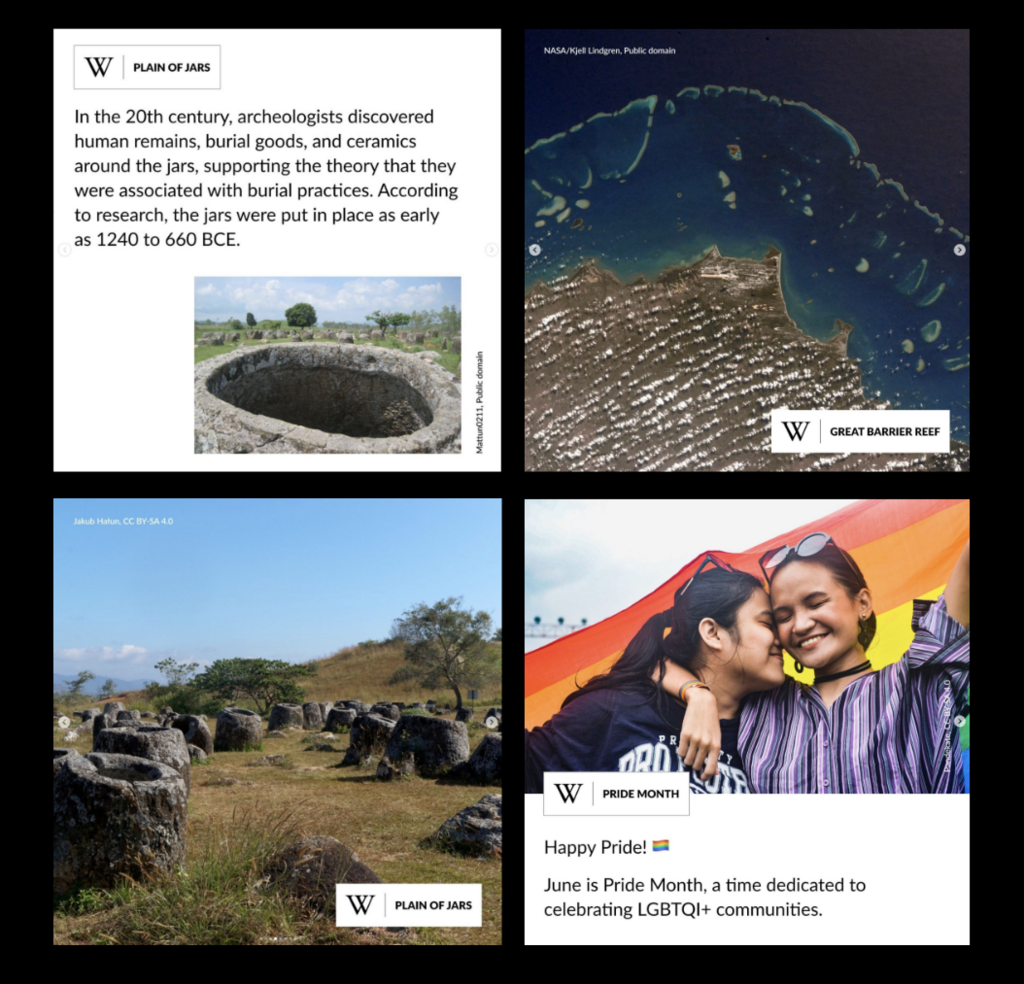
This digital revolution expanded the field, but it also created new challenges. With a flood of content, the lines between journalism, marketing, and personal diaries began to blur. This makes the role and responsibilities of a professional travel journalist more important than ever.
Role and Responsibilities Today
The modern travel journalist wears many hats. They are a storyteller, a reporter, a photographer, and a cultural interpreter. But beyond the skills, there are core responsibilities that guide their work.
A travel journalist’s job is to tell the full story of a place, not just the parts that look good in a brochure.
This means practicing ethical storytelling. A journalist must strive for accuracy and fairness, representing cultures and communities with respect and nuance. This involves avoiding stereotypes and acknowledging the complexities of a destination. It's about showing people and places as they are, not as a tourist might want them to be.
Furthermore, today’s travel journalist must consider the impact of their work. They have a responsibility to report on issues like sustainable tourism, overtourism, and the environmental and social consequences of travel. Their stories can influence not just where people go, but how they travel.
Time to review what you've learned.
What is the primary element that distinguishes travel journalism from a simple travel blog post?
Early travel writers like Marco Polo and Ibn Battuta played what significant role through their journals?