Travel Hacking With Points
Understanding Credit Card Rewards
The Basics of Earning Rewards
Credit card rewards are a bit like a loyalty program for your wallet. When you use a rewards credit card to make purchases, the bank gives you a small kickback in the form of points, miles, or cash back. It's their way of saying thanks for using their card.
Think of it as a currency. Every time you spend, you earn a little bit of this new currency. Over time, these small earnings can add up to something significant, like a free flight or hotel stay.
Points
noun
The unit of value in a credit card rewards program. Points (or miles) are earned on purchases and can be redeemed for travel, merchandise, or cash back.
Most cards offer a base earning rate, usually one point for every dollar you spend. But the real magic happens in bonus categories. These are specific types of spending, like dining, groceries, or travel, where the card offers you extra points—often two, three, or even five times the base rate.
For example, if your card offers 3x points on dining and you spend $100 at a restaurant, you'd earn 300 points instead of the standard 100. These bonus categories are designed to reward you for your everyday spending habits.
One of the best benefits any travel rewards credit card can offer is earning multiple points or miles per dollar in various spending categories.
Types of Rewards Cards
Not all rewards programs are created equal. They generally fall into two main camps: co-branded cards and general travel rewards cards. Understanding the difference is key to picking the right one for you.
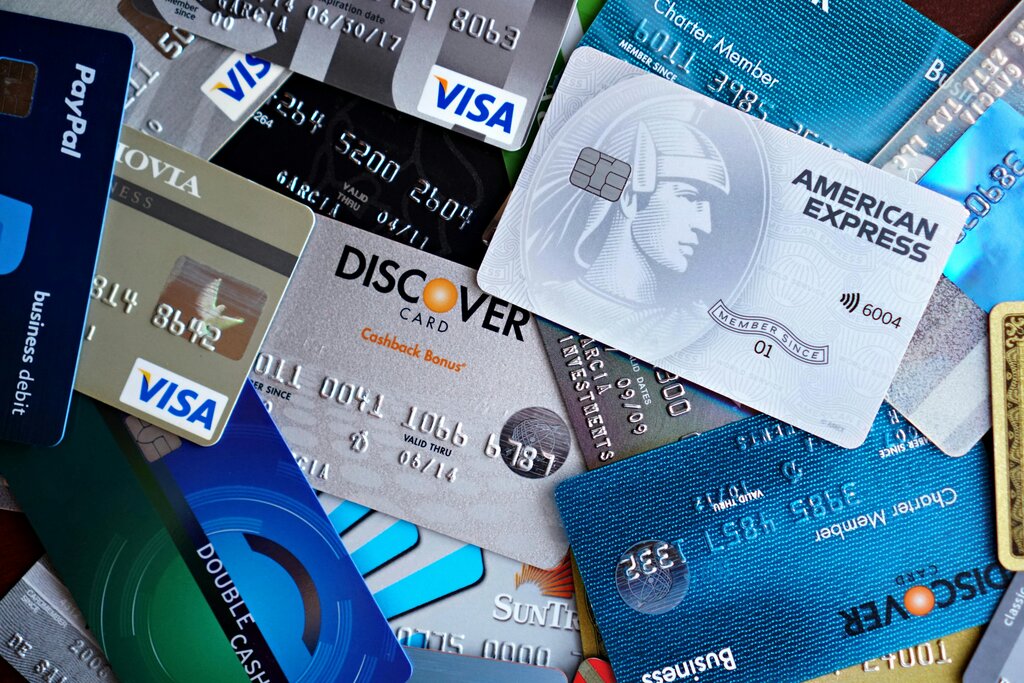
Co-branded cards are partnerships between a bank and a specific travel brand, like an airline or a hotel chain. Think of cards affiliated with Delta, United, Marriott, or Hilton. The points you earn are deposited directly into that brand's loyalty program. These cards are great if you're loyal to one company, as they often come with brand-specific perks like free checked bags, priority boarding, or automatic elite status.
General travel rewards cards, on the other hand, are run by the banks themselves. These cards earn flexible points in the bank's own rewards program, such as Chase Ultimate Rewards or American Express Membership Rewards. The major advantage here is flexibility. You aren't tied to a single airline or hotel. Instead, you can transfer your points to a wide variety of travel partners when you're ready to book.
| Feature | Co-Branded Cards | General Travel Cards |
|---|---|---|
| Loyalty | Tied to a single airline or hotel | Flexible, not tied to one brand |
| Perks | Brand-specific (e.g., free bags) | Broad travel credits, lounge access |
| Flexibility | Low; points are in one program | High; points transfer to many partners |
| Best For | Brand loyalists | Travelers who want options |
Match the Card to Your Spending
The single most important rule in earning rewards is to choose a card that aligns with your life. There is no universally "best" credit card. The best card is the one that rewards you most for how you already spend your money.
Before you even look at cards, take a look at your budget. Where does your money go each month? If you spend a lot on groceries and gas, a card that offers bonus points in those categories will be a goldmine. If you're constantly ordering takeout, a card with a high multiplier on dining is what you want.
Don't change your spending to fit the card. Pick a card that fits your spending.
Someone who travels weekly for work and is loyal to a specific airline will get immense value from that airline's co-branded card. But for a family that spends more on groceries and streaming services than on flights, a general rewards card focused on everyday categories makes much more sense. By matching the card's strengths to your spending patterns, you ensure that every dollar you spend is working as hard as it can to earn you your next reward.
Time to review what we've covered.
What is the primary purpose of a credit card rewards program from the bank's perspective?
A 'co-branded' credit card is a partnership between a bank and a specific travel brand, like an airline or hotel.
Now that you understand the basics of earning points, you're ready to think about how to use them.