Travel Hacking with Credit Card Rewards
Understanding Credit Card Rewards
The Basics of Rewards
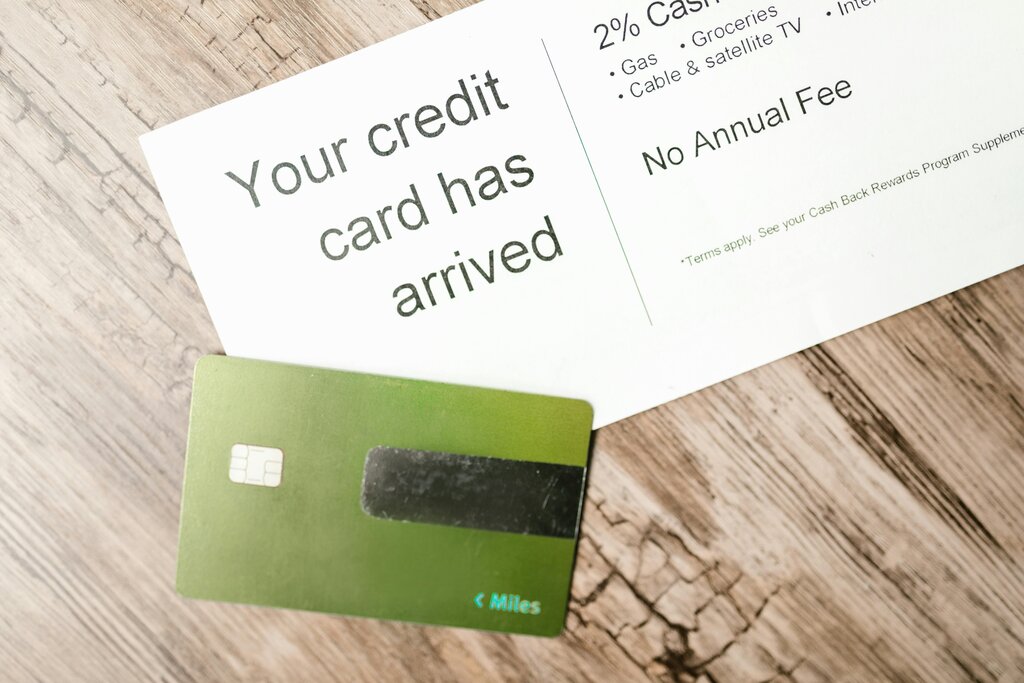
Credit card rewards are a simple concept: you get something back for the money you spend. Instead of just paying for goods and services, your purchases also earn you a small return in the form of cash, points, or miles. It's a way for credit card companies to encourage you to use their card over a competitor's.
How? Credit cards offer points or rewards for regular expenses, like groceries, gas, or eating out.
Think of it as a loyalty program. The more you spend, the more you earn. These rewards can add up over time, helping you pay for flights, hotel stays, or simply putting some money back in your pocket.
Types of Rewards
Rewards generally fall into three main buckets: cash back, points, and miles. While they can sometimes overlap, each has a distinct primary use.
Cash Back is the most straightforward. You earn a percentage of your spending back as cash. This can be taken as a statement credit, which lowers your bill, or sometimes as a direct deposit to your bank account.
Points are a more flexible currency. You can redeem them for a wide variety of things, including travel, gift cards, merchandise, or even cash back. The value of a point can change depending on how you use it.
Miles are almost always geared toward travel. They are typically associated with specific airline loyalty programs. You earn miles on your spending and then redeem them for flights.
| Reward Type | Primary Use | How It Works |
|---|---|---|
| Cash Back | Simplicity, reducing your bill | Earn a percentage of your spending back as cash. |
| Points | Flexibility | Redeem for travel, gift cards, merchandise, etc. |
| Miles | Air travel | Earn miles to book flights with a specific airline. |
How You Earn Rewards
The rate at which you earn rewards is usually described as points per dollar spent. A standard base rate is often one point per dollar on all purchases. However, the real power comes from bonus categories.
Bonus categories are specific types of spending where the card issuer offers a higher earning rate. For example, a card might offer:
- 5 points per dollar on travel booked through their portal
- 3 points per dollar on dining
- 1 point per dollar on everything else
This is why it's crucial to know where you spend your money. If you eat out often, a card with a dining bonus is valuable. If you rarely travel, a high travel multiplier won't do you much good.
To maximize rewards, align your spending habits with a card's bonus categories. The goal is to earn more than the standard 1 point per dollar whenever possible.
Using Your Rewards
Earning rewards is only half the battle. Knowing how to redeem them is just as important. The value you get from your points depends entirely on how you use them. This is known as the redemption value.
Redemption Value
noun
The monetary worth of a credit card point or mile when it is redeemed. It's often expressed in cents per point (cpp).
To calculate the redemption value, you divide the cash value of the reward by the number of points required. For example, if you use 50,000 points to book a $500 flight:
In this case, the redemption value is 1 cent per point. If that same flight cost 25,000 points instead, your redemption value would double to 2 cents per point. Generally, redeeming for travel, especially by transferring points to airline or hotel partners, offers a much higher value than redeeming for merchandise or a simple statement credit.
This concept is the foundation of using rewards effectively. Always check the value you're getting before you redeem.
Time to check what you've learned.
What are the three primary types of credit card rewards mentioned in the text?
What is the main purpose of "bonus categories" on a rewards credit card?
Understanding these core concepts is the first step. By knowing the types of rewards available and how to calculate their value, you can make smarter decisions that turn everyday spending into valuable travel experiences.