Travel Hacking with Credit Card Rewards
Understanding Credit Card Rewards
The Basics of Rewards
Credit card rewards are a thank you from your bank for using their card. Every time you make a purchase, you earn a little something back. It's a simple concept, but the rewards themselves come in a few different flavors.
The goal is to get value back on spending you were going to do anyway. The key is choosing a program that fits your life.
Think of it like a loyalty program at your favorite coffee shop. You buy nine coffees and get the tenth one free. Credit card rewards work similarly, but on a much bigger scale and with more options. These rewards generally fall into three main categories: cash back, points, and miles.
Cash, Points, or Miles
Understanding the difference between these reward types is the first step in picking the right card for you.
Cash Back
noun
A reward program where you receive a percentage of the amount you spend back as cash or a statement credit.
Cash back is the most straightforward reward. If your card offers 1.5% cash back, and you spend $100, you earn $1.50. It's simple to track and easy to redeem, usually as a credit on your monthly statement or a direct deposit to your bank account. There's no complex math or transfer partners to worry about. It’s just money back in your pocket.
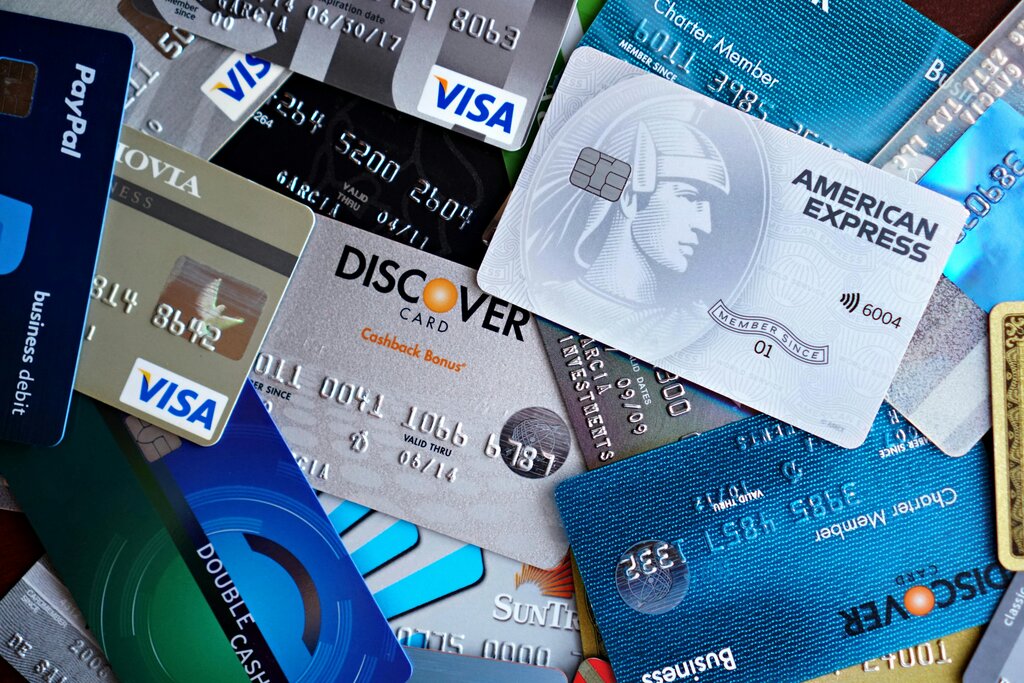
Points are a more flexible type of reward currency. Instead of a direct cash value, you earn points for every dollar you spend. These points can then be redeemed for a variety of things, like travel, gift cards, merchandise, or even cash back. The value of a point can change depending on how you use it. For example, a point might be worth 1 cent as cash back, but 1.5 cents when redeemed for travel through the bank's portal.
Miles are very similar to points but are typically associated with travel, specifically airlines. You earn miles for your spending, which can then be redeemed for flights, seat upgrades, or sometimes hotel stays. If you're loyal to a specific airline or travel a lot, a miles card can be incredibly valuable.
Travel rewards cards let you earn points and miles toward awards on airlines and at hotels.
How Rewards Are Earned
Earning rewards isn't just about spending money. It's about spending it strategically. Most rewards cards have different earning rates depending on where you use them. Understanding these structures is crucial to maximizing what you get back.
| Category | Description | Example Earning Rate |
|---|---|---|
| Flat Rate | You earn the same rate on every purchase, no matter the category. | 1.5% cash back on everything |
| Bonus Categories | You earn a higher rate on specific types of purchases. | 3x points on dining, 2x on travel |
| Rotating Categories | Bonus categories change every few months (usually quarterly). You often need to activate them. | 5% back on gas stations this quarter, groceries next quarter |
| Sign-Up Bonus | A large, one-time bonus for spending a certain amount of money within the first few months of opening the card. | Earn 50,000 bonus points after spending $3,000 in the first 3 months |
The key is to match your card to your spending habits. If you spend a lot on groceries and gas, find a card that gives you bonus rewards in those categories. If your spending is spread out, a simple flat-rate card might be best.
The best way to get started is to understand your spending patterns, think about what type of rewards you prefer and pick a program that offers ways to earn points that match your spending patterns and rewards that cater to your preferences.
Redeeming your rewards is the fun part, but it's also where you need to be careful. As mentioned, the value of points and miles can vary. Cashing them in for a statement credit is easy but often provides the lowest value. Booking a flight or hotel through the credit card's travel portal can increase their worth. The highest potential value often comes from transferring points to an airline or hotel partner, but this requires more research.
What is the most straightforward type of credit card reward, typically redeemed as a statement credit or direct deposit?
True or False: The value of a credit card point is always fixed, regardless of how you redeem it.
Choosing the right rewards card is a personal decision based on your financial habits and goals. By understanding the types of rewards and how they're earned, you can turn your everyday spending into something valuable.