Travel Hacking with Credit Card Rewards
Understanding Credit Card Rewards
The World of Rewards
Using a credit card can be more than just a convenient way to pay. Many cards offer rewards, turning your everyday spending into something valuable. Think of it as a small thank you from the bank for using their card. These rewards generally fall into three main categories: cash back, points, and miles.
Cash back is the most straightforward type of reward. When you make a purchase, you earn back a small percentage of that money. For example, a card might offer 2% cash back on all purchases. If you spend $100, you get $2 back. This reward can usually be taken as a credit on your statement, effectively lowering your bill, or sometimes as a direct deposit into your bank account. It's simple and predictable.
Points and miles are a bit more complex, but they can offer greater value, especially for travel. Instead of cash, you earn points in a bank's loyalty program or miles with a specific airline. These act like a special currency. You can save them up and redeem them for flights, hotel stays, or other travel experiences. The value of a point or mile isn't fixed; it changes depending on how you use it. Redeeming 50,000 points for a $1,000 international flight is a much better deal than using them for a $300 hotel room.

How You Earn
Credit card companies don't treat all your spending the same. They often reward you more for spending in certain areas, known as bonus categories. A card might offer extra points for money spent on specific things like dining, groceries, gas, or travel.
For example, a card might give you 5 points per dollar on flights, 3 points per dollar at restaurants, and 1 point per dollar on everything else. This structure is designed to reward you for your specific spending habits.
This is why aligning your credit card with your personal spending is so important. If you spend a lot on groceries each month, a card that offers high rewards in that category will be very valuable. If you rarely travel, a card that heavily rewards flights and hotels won't do you much good. The key is to look at where your money goes and find a card that gives you the most back for your typical purchases.
The Cost of Rewards
While rewards are great, they aren't always free. Reward credit cards often come with fees and rates that you need to understand to make sure the benefits are worth it.
Annual Fee
noun
A yearly charge by a credit card company for the use of their credit card.
Many top-tier rewards cards charge an annual fee. This fee can range from under $100 to over $500 per year. In exchange, these cards typically offer better reward rates, bigger sign-up bonuses, and valuable perks like airport lounge access or annual travel credits. Before signing up, do the math. Make sure the value of the rewards and benefits you'll actually use is greater than the cost of the annual fee.
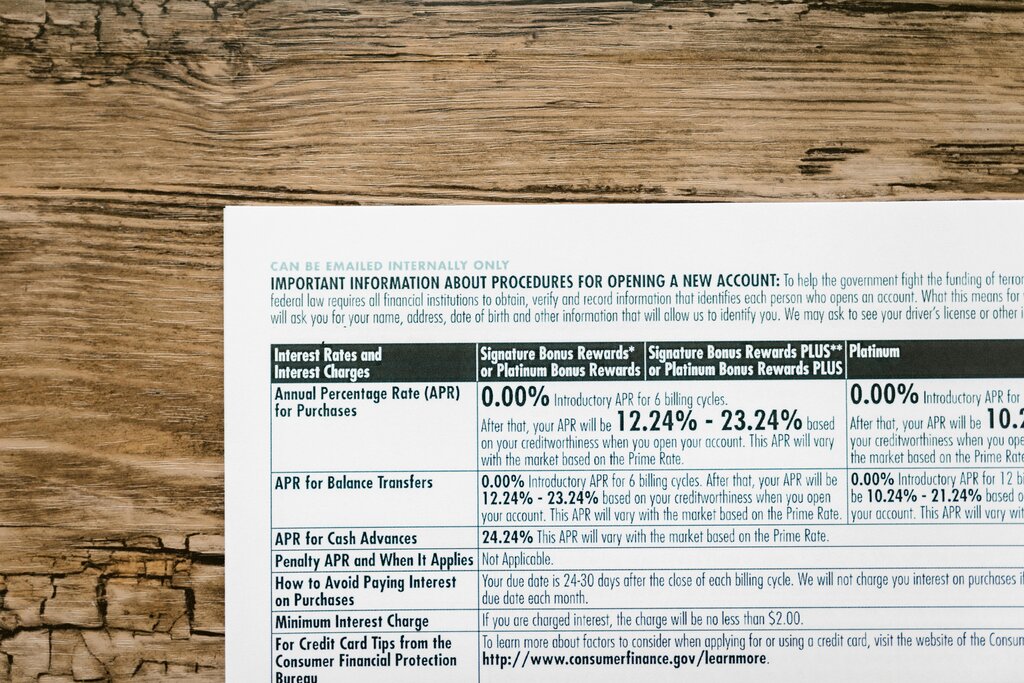
Interest rates are another crucial factor. Reward cards often have higher interest rates (APR) than cards with no rewards. If you carry a balance on your card from one month to the next, the interest you pay can quickly cancel out the value of any rewards you've earned. The best strategy is to always pay your bill in full and on time. That way, you get all the benefits of the rewards without paying any interest.
Finally, if you plan to travel internationally, look out for foreign transaction fees. Some cards charge an extra fee, typically around 3%, on every purchase you make in a foreign currency. This can add up quickly. Many travel-focused rewards cards waive this fee, making them a much better choice for use abroad.
Travel rewards cards let you earn points and miles toward awards on airlines and at hotels.
Now that you have a foundation, let's test your knowledge.
What is generally considered the most straightforward and predictable type of credit card reward?
If your largest monthly expense is groceries, which credit card feature would likely provide the most value for your everyday spending?
Understanding these basics is the first step. By matching your spending habits to the right card and being mindful of the costs, you can make credit card rewards work for you.