Travel Hacking with Credit Card Rewards
Understanding Credit Card Rewards
The World of Rewards
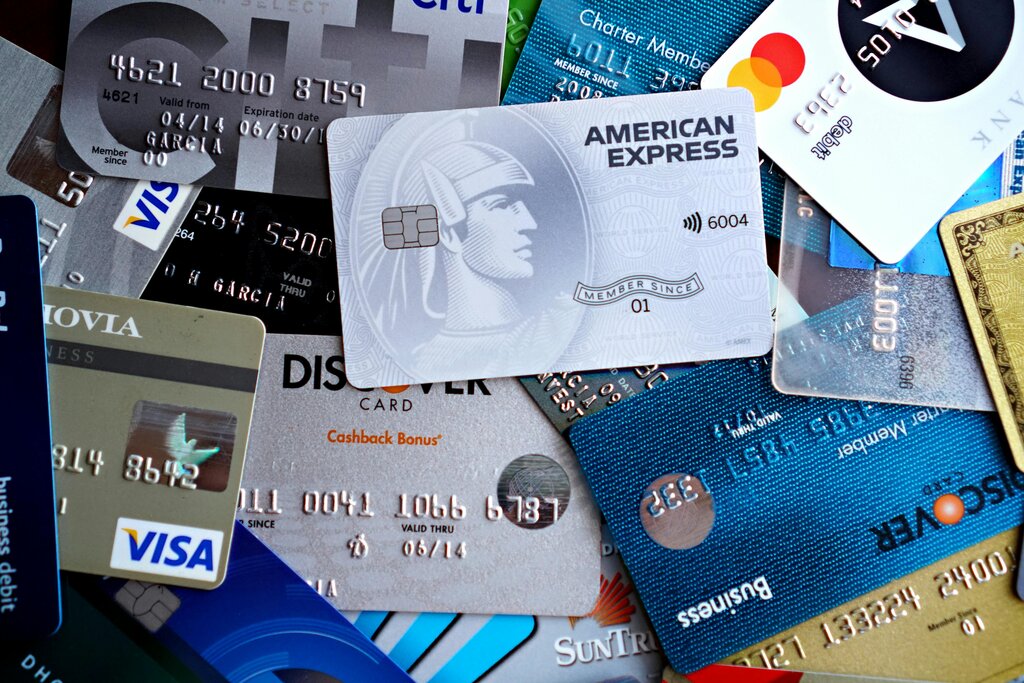
Credit card companies want your business. To get it, they offer rewards as a thank you for using their card. Think of it as a small rebate on your spending. These rewards come in three main flavors: cash back, miles, and points. Each works a little differently, but the goal is the same: to give you value back on your purchases.
Understanding how these programs work is the first step to saving money, especially on travel. Let's break down the types of rewards you can earn.
Points, Miles, or Cash
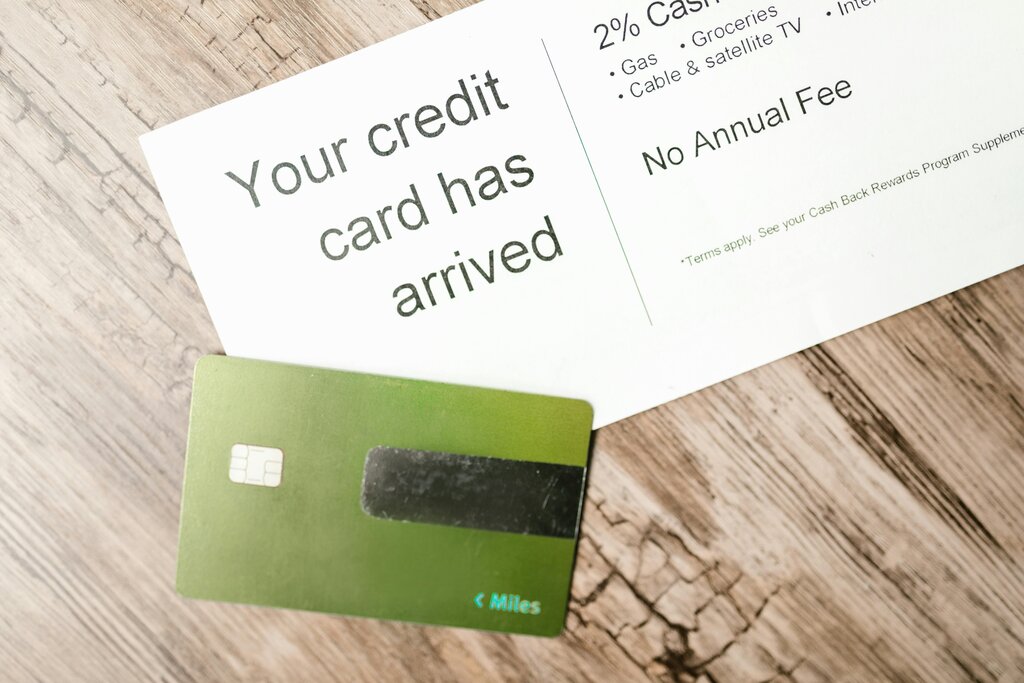
Cash back is the most straightforward reward. If you earn 2% cash back on a $100 purchase, you get $2 back. It’s simple, predictable, and easy to redeem, usually as a statement credit or a direct deposit to your bank account.
Miles are typically associated with airlines. You earn miles for every dollar you spend, which you can then redeem for flights. Some miles are tied to a specific airline's loyalty program (like American AAdvantage or Delta SkyMiles), while others are more flexible and can be used for various travel purchases.
Points are the most flexible and potentially most valuable type of reward. You can often redeem them for cash back, gift cards, or merchandise. But their true power comes from booking travel, either through the credit card's own travel portal or by transferring them to partner airline and hotel loyalty programs.
Credit card points are the hardest to understand but often the most valuable.
Choosing the right type depends entirely on your goals. Do you want simple, no-fuss savings, or are you willing to learn a few tricks to book a first-class flight for a fraction of the cost?
| Reward Type | How It Works | Best For |
|---|---|---|
| Cash Back | Earn a percentage of your spending back as cash. | Simplicity and predictable value. |
| Miles | Earn miles per dollar, redeemable for flights. | Frequent flyers loyal to specific airlines. |
| Points | Earn points per dollar, redeemable in many ways. | Travelers seeking maximum flexibility and value. |
Earning and Redeeming
You earn rewards on every purchase, but not all spending is equal. Most cards have a base earning rate, like 1 point per dollar on everything. Where you can really accelerate your earnings is through bonus categories. A card might offer 5 points per dollar on groceries, 3 on dining, and 1 on everything else.
Matching your spending habits to a card's bonus categories is key to earning rewards quickly. If you spend a lot on dining out, a card that rewards restaurant spending is a great fit.
When it's time to use your rewards, you'll find that their value can change. This is the concept of redemption rate. A point isn't always worth one cent. For example, 100,000 points could get you a $1,000 statement credit (a value of 1 cent per point). Or, those same 100,000 points, if transferred to an airline partner, might get you a business class flight that costs $4,000. In that case, your points are suddenly worth 4 cents each.
The value of your rewards isn't fixed. It depends entirely on how you redeem them.
Finally, always read the fine print. Rewards programs have terms and conditions that cover everything from how you earn rewards to when they might expire. Some cards have annual fees, which you should weigh against the rewards you expect to earn. Understanding these rules ensures you get the most out of your card without any surprises.
Now that you know the basics, let's test your knowledge.
Which type of credit card reward is generally considered the most straightforward and easy to understand?
If your largest monthly expense is dining out, which credit card feature would help you maximize your rewards most effectively?
By understanding these core concepts, you're well on your way to making your spending work for you.