Travel Hacking with Credit Card Rewards
Understanding Credit Card Rewards
How Rewards Work
Many credit cards offer a small kickback for every dollar you spend. This kickback comes in the form of points, miles, or cash back. Think of it as a thank you from the bank for using their card. Every time you buy groceries, pay for a subscription, or fill up your gas tank, you could be earning a little something extra.
The basic formula is simple: spend money, earn rewards. Most cards have a base earning rate, like one point for every dollar spent. But the real power comes from bonus categories. A card might offer extra points, say three points per dollar, on specific types of purchases like dining out or booking travel. The key is that these rewards accumulate over time, turning your everyday spending into a valuable resource.
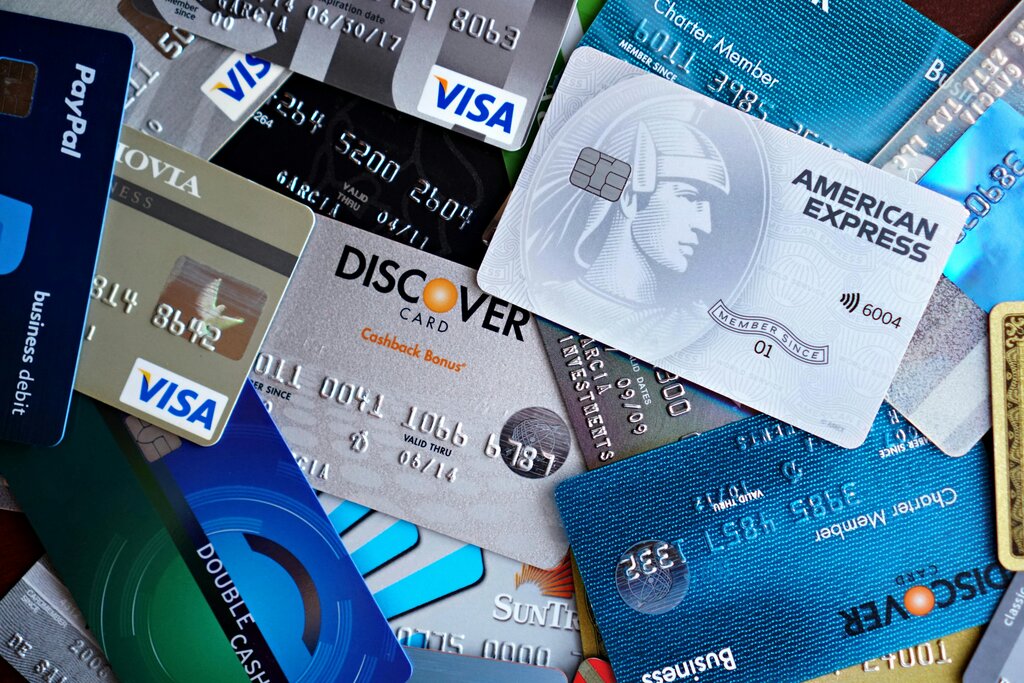
The goal is to earn rewards on money you were going to spend anyway. It's not about spending more; it's about spending smarter.
Two Paths to Rewards
Credit card rewards programs generally fall into two main camps: co-branded cards and flexible rewards cards. Each has its own strengths, and the right one for you depends on your goals.
A co-branded card is a partnership between a bank and another company, usually an airline or hotel chain. For example, you might get a Delta SkyMiles card from American Express or a Marriott Bonvoy card from Chase. The points or miles you earn can only be used with that specific partner. These cards are great for brand loyalists, as they often come with special perks like free checked bags, hotel room upgrades, or elite status.
Flexible rewards cards are different. The points you earn are part of the bank's own loyalty program, like Chase Ultimate Rewards or American Express Membership Rewards. These points are like a universal currency. You can often transfer them to many different airline and hotel partners, giving you a ton of options. They provide freedom and are ideal if you aren't loyal to any single airline or hotel.
Multiple flexible rewards programs allow you to transfer points directly to a variety of airline and hotel partners.
| Feature | Co-Branded Cards | Flexible Rewards Cards |
|---|---|---|
| Rewards Type | Airline miles or hotel points | Bank's proprietary points |
| Best For | Loyalty to one brand | Flexibility and options |
| Key Perk | Brand-specific benefits | Transfer to multiple partners |
Match Your Card to Your Life
Choosing the right rewards card is a personal decision. The best card is one that rewards your actual spending habits, not the habits you wish you had. Before applying for a card, take a look at where your money goes each month.
Do you spend a lot on groceries and gas? A card that offers bonus points in those categories would be a great fit. Are you constantly eating out or ordering delivery? Find a card with a dining multiplier. If you're a frequent traveler, a card that rewards flights and hotels might be your best bet.
By aligning your card with your spending, you accelerate how quickly you earn rewards without changing your lifestyle.
There's no single "best" credit card for everyone. It's about finding the one that provides the most value for you. Once you understand your own financial landscape, you can choose a card that turns your everyday expenses into your next adventure.
Time to check what you've learned about getting started with credit card rewards.
What is the primary advantage of using a credit card that offers bonus categories?
A traveler who flies exclusively with a single airline and wants perks like free checked bags would likely get the most value from which type of card?
Now you have a solid foundation in how credit card rewards work. The next step is learning how to turn those points and miles into actual travel.