Travel Hacking with Credit Card Rewards
Understanding Credit Card Rewards
The Basics of Rewards
Think of a credit card rewards program as a thank you from your bank. For every dollar you spend on the card, the bank gives you a tiny kickback. This reward isn't cash, but a special currency called points or miles.
You earn these by making everyday purchases, from buying groceries to paying your phone bill. Over time, these small rewards add up. Eventually, you can trade them in for something valuable, like a plane ticket or a hotel stay. It's a simple cycle: spend, earn, redeem.
How? Credit cards offer points or rewards for regular expenses, like groceries, gas, or eating out.
Different Kinds of Points
Not all points are created equal. They generally fall into three main categories, each with its own strengths.
Airline Miles These are tied directly to a specific airline's loyalty program, like Delta SkyMiles or United MileagePlus. If you have a Delta credit card, your spending earns you SkyMiles. These are great if you're loyal to one airline, as you can redeem them for flights on that carrier and its partners.
Hotel Points This works just like airline miles, but for hotel chains. A Marriott Bonvoy credit card earns you Bonvoy points, which you can use for free nights at Marriott hotels. If you have a favorite hotel brand you stick with, these cards can be very rewarding.
Bank Points This is the most flexible type of reward. Instead of being tied to a single airline or hotel, these points belong to the bank's own program, like Chase Ultimate Rewards or American Express Membership Rewards. The big advantage here is choice. You can often transfer these points to many different airline and hotel partners, giving you more options when you're ready to book travel.
| Reward Type | Best For | Key Feature |
|---|---|---|
| Airline Miles | Loyal flyers of one airline | Redeem for flights on that airline or its partners |
| Hotel Points | Frequent guests of one hotel chain | Redeem for free nights at that hotel chain |
| Bank Points | Travelers who want flexibility | Transfer points to many different travel partners |
Flexibility is key. Bank points that can be transferred to different partners protect you if one airline or hotel program suddenly changes its rules or has no award availability for your dates.
Choosing the Right Card
The best rewards card for you depends entirely on your own spending habits and travel goals. There's no single "best" card for everyone.
Before picking a card, ask yourself a few questions:
- Where do I spend most of my money? Some cards offer bonus points for specific categories, like dining, groceries, or gas. If you spend a lot on takeout, a card that gives extra points at restaurants makes sense.
- Where do I want to go? If your goal is a trip to Hawaii and you live near a United Airlines hub, a card that earns United miles or transferable points that partner with United would be a good fit.
- Am I loyal to one brand? If you fly American Airlines for every trip, their co-branded card could be perfect. If you like to shop around for the best flight deal, a card with flexible bank points is a better choice.

Matching a card's strengths to your lifestyle is the secret to earning rewards quickly and effectively.
The best way to get started is to understand your spending patterns, think about what type of rewards you prefer and pick a program that offers ways to earn points that match your spending patterns and rewards that cater to your preferences.
Read the Fine Print
Every rewards program has its own set of rules, and it's important to understand them. Before applying for a card, take a moment to look through the terms and conditions. Pay attention to a few key details.
Annual Fee: Many top-tier travel cards charge an annual fee. Make sure the benefits you get from the card, like travel credits or lounge access, are worth more to you than the fee you're paying.
Earning Rates: Check how many points you earn per dollar. Does it offer 3 points per dollar on dining but only 1 point on everything else? Know the bonus categories to maximize your earnings.
Redemption Options: How can you use your points? Can they be transferred to travel partners? What's the value if you redeem them for cash back or gift cards? Knowing your options prevents you from making a poor redemption decision later.
Understanding these details ensures you get the full value out of your rewards card and avoid any unwelcome surprises.
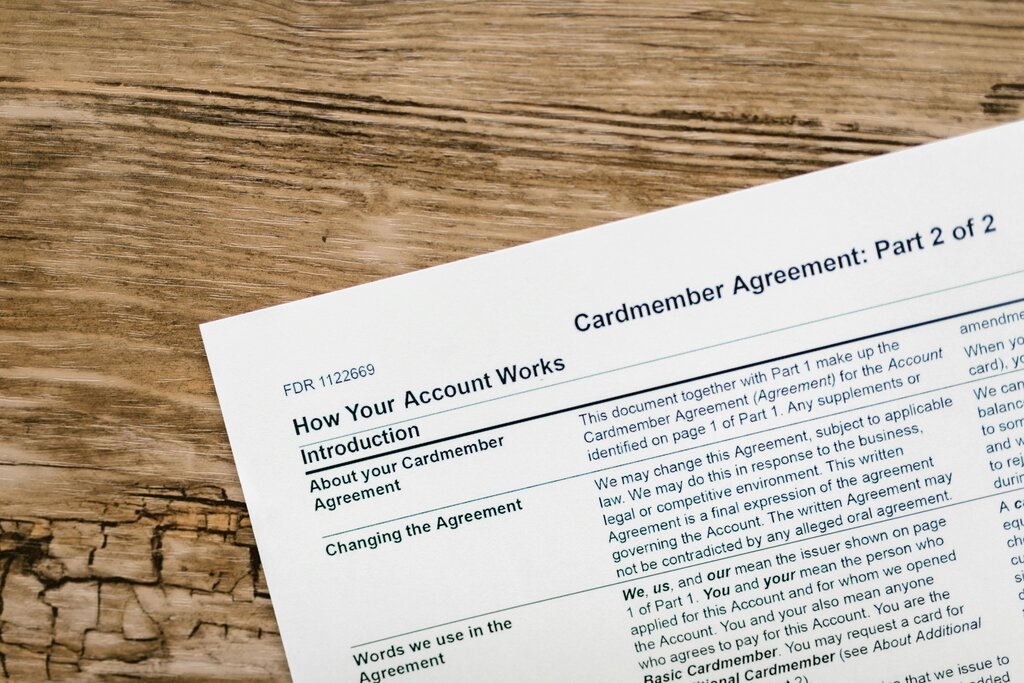
Taking a few minutes to read the agreement can save you headaches and help you make the most of your card's perks.
What is the primary purpose of a credit card rewards program from the consumer's perspective?
Which type of reward points generally offers the most flexibility for travel redemption?
With these basics, you're ready to start exploring the world of credit card rewards.