Travel Hacking with Credit Card Rewards
Understanding Credit Card Rewards
How Rewards Work
Credit card rewards are a simple concept: banks and card issuers give you a small kickback for using their card. These rewards usually come in the form of points or miles, which you can save up and redeem for things like flights, hotel stays, or even cash back.
Think of it like a digital currency. For every dollar you spend, you earn a certain number of points or miles. While the terms are often used interchangeably, "miles" typically refer to rewards earned for a specific airline's frequent flyer program. "Points" are a more general term and can often be used more flexibly.
How? Credit cards offer points or rewards for regular expenses, like groceries, gas, or eating out.
The key is that you're earning a little something back on money you would be spending anyway. Over time, these small earnings can add up to significant value.
Types of Rewards Cards
Not all rewards cards are created equal. They generally fall into two main categories.
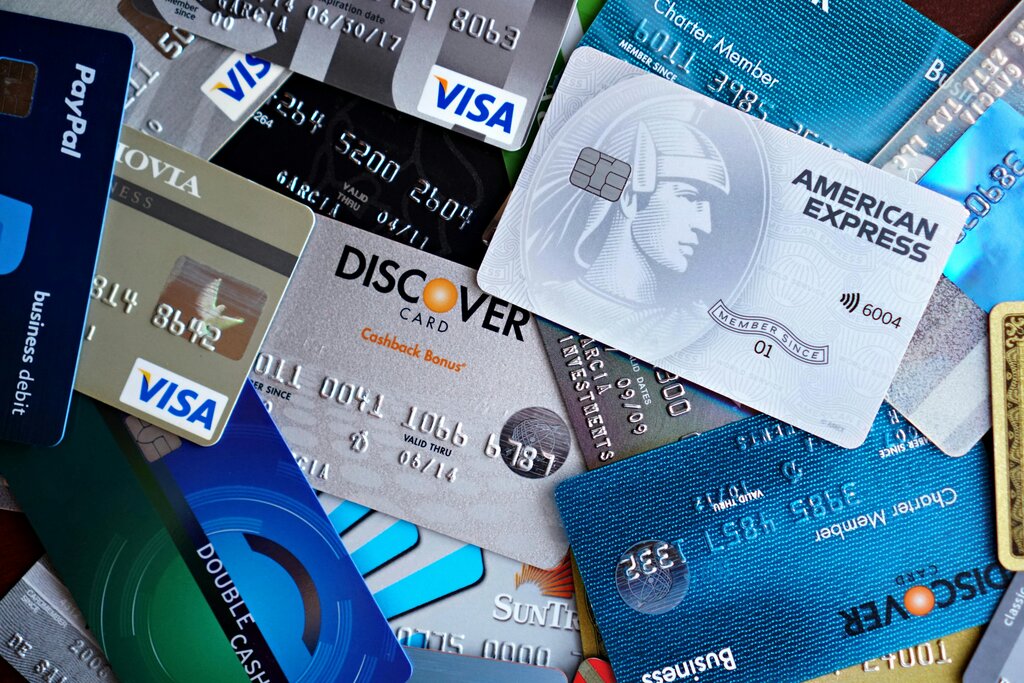
Co-branded cards are a partnership between a card issuer (like Chase or American Express) and a specific company, like an airline or hotel chain. If you have a Delta Air Lines credit card, for example, you earn Delta SkyMiles directly with your spending. These cards are great if you're loyal to one brand and want to earn perks like free checked bags or elite status.
General travel rewards cards offer more flexibility. These cards earn points in the bank's own loyalty program, such as Chase Ultimate Rewards or Amex Membership Rewards. You can then use these points to book travel through the bank's online portal or, for potentially greater value, transfer them to various airline and hotel partners. This lets you shop around for the best deal instead of being tied to a single brand.
Earning Rewards Faster
Simply spending on your card is the most basic way to earn rewards, but there are ways to accelerate your earnings.
The single fastest way to accumulate a large number of points is through a sign-up bonus. Card issuers offer these as an incentive to new customers. Typically, if you spend a certain amount of money within the first few months of opening the card, you'll receive a large, one-time deposit of points or miles. For example, a card might offer 60,000 bonus points after you spend $4,000 in the first three months. This alone can be enough for a round-trip flight or several hotel nights.
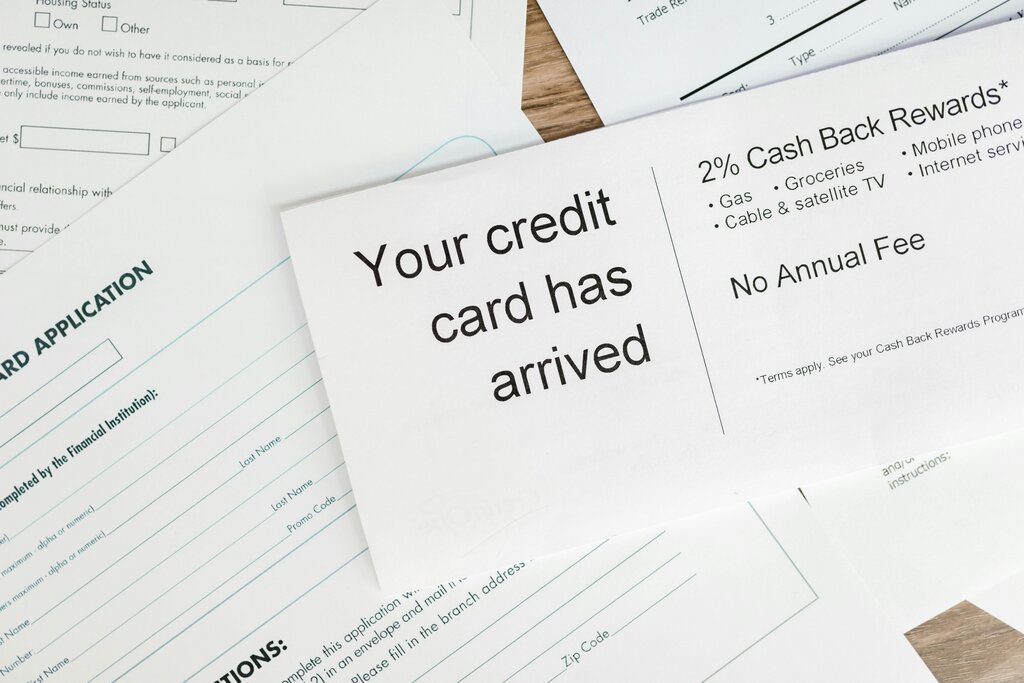
Beyond the initial bonus, pay attention to spending categories. Many cards offer bonus points for purchases in specific areas. A card might offer 3 points per dollar on dining and 1 point per dollar on everything else. Another might give you 5 points per dollar on flights and 2 points on all other travel expenses.
This is where aligning a card with your personal spending habits becomes crucial. If you spend a lot on groceries, a card that offers bonus points at supermarkets will help you earn rewards much faster than a card focused on travel. The goal is to find a card that rewards you for how you already spend your money.
The best way to get started is to understand your spending patterns, think about what type of rewards you prefer and pick a program that offers ways to earn points that match your spending patterns and rewards that cater to your preferences.
Before applying for any card, take a look at your budget. Where does most of your money go? Dining out? Travel? Groceries? Answering that question is the first step to choosing a card that will work best for you and maximize the rewards you earn from your daily spending.
What is the primary purpose of a credit card rewards program from a consumer's perspective?
An American Airlines credit card issued by Citi that earns AAdvantage miles directly is an example of what type of card?