Travel Hacking with Credit Card Rewards
Introduction to Points and Miles
The Currency of Travel
Think of points and miles as a special kind of currency for travelers. Instead of dollars or euros, you're dealing with rewards offered by airlines, hotels, and credit card companies. When you fly with a certain airline or stay at a specific hotel chain, you're often earning their loyalty currency. The more you use their services, the more you earn.
Though the terms are often used interchangeably, "miles" typically refer to airline rewards, while "points" are associated with hotels and flexible credit card programs.
These rewards are designed to encourage loyalty. By collecting points with a hotel group, you're more likely to book with them again to earn and use your rewards. The same goes for airlines. This ecosystem of earning and spending is what we call a travel rewards program.
Earning Without Leaving Home
While you can certainly earn rewards by traveling, the fastest way for most people to build a balance is through credit card spending. Many of your daily purchases—from groceries to gas to streaming services—can translate directly into travel rewards.
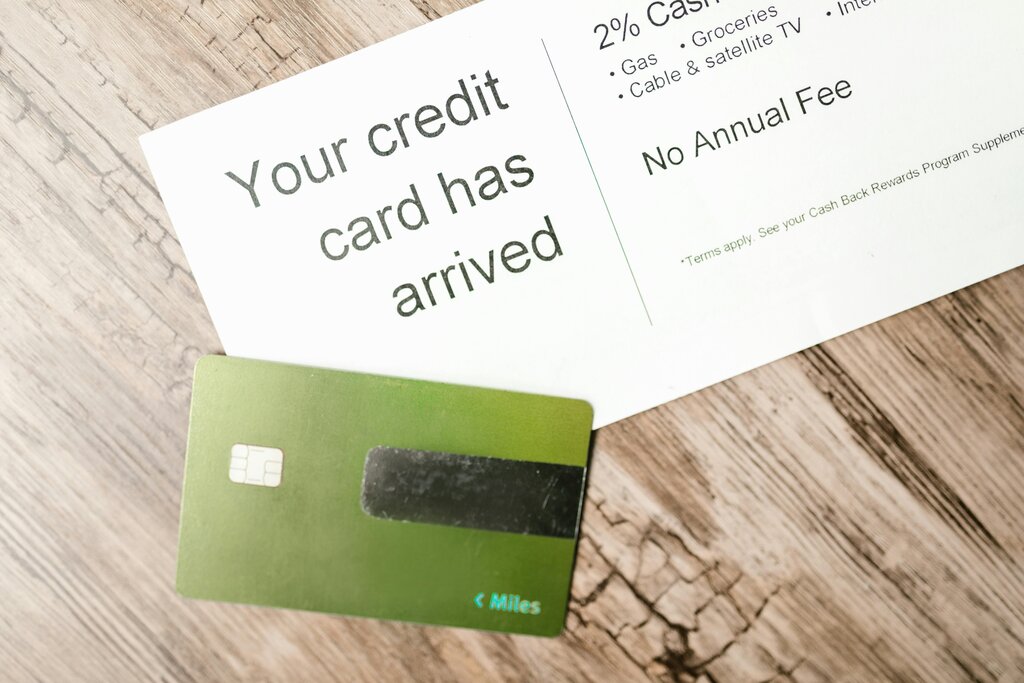
Travel rewards credit cards fall into two main categories:
-
Co-branded Cards: These are tied to a specific airline or hotel (like a Delta Air Lines card or a Marriott Bonvoy card). The points you earn go directly into that brand's loyalty program.
-
General Travel Cards: These cards earn points in a flexible program run by a bank, like Chase Ultimate Rewards or American Express Membership Rewards. These points can often be transferred to various airline and hotel partners, giving you more options.
The truth is, if you’re spending money each month, you could be earning points toward your next trip — without changing your lifestyle.
From Points to Plane Tickets
So you've earned a stash of points. What now? The fun part is redeeming them. The most common use for points and miles is booking flights and hotel stays. Instead of paying cash, you pay with your rewards balance. You might still have to cover taxes and fees, but the bulk of the cost can often be covered by points.
Beyond flights and hotels, many programs let you redeem for other travel expenses, like rental cars or unique experiences. Some even offer options like gift cards or merchandise, though these redemptions typically offer less value than travel.
Earn your points and miles, but also make sure you redeem them.
Understanding this basic cycle—earning rewards on your spending and redeeming them for travel—is the first step. It transforms money you're already spending into a way to see more of the world.
What is the primary purpose of travel rewards programs from the perspective of the companies that offer them?
According to the provided information, what is typically the fastest way for most people to accumulate a significant balance of points and miles?