Travel Hacking with Credit Card Points
Understanding Credit Card Rewards
The Basics of Rewards
Credit card rewards programs are essentially loyalty programs. Card issuers want you to use their card for your purchases instead of a competitor's, so they offer you a small kickback every time you spend. Think of it like a digital version of a coffee shop punch card: buy enough coffees, and you get one free. With credit cards, spend enough money, and you earn rewards you can use for travel, cash back, and more.
These programs are a core part of the credit card business model. They build customer loyalty and encourage spending. For you, the cardholder, they offer a way to get value back on purchases you were going to make anyway.
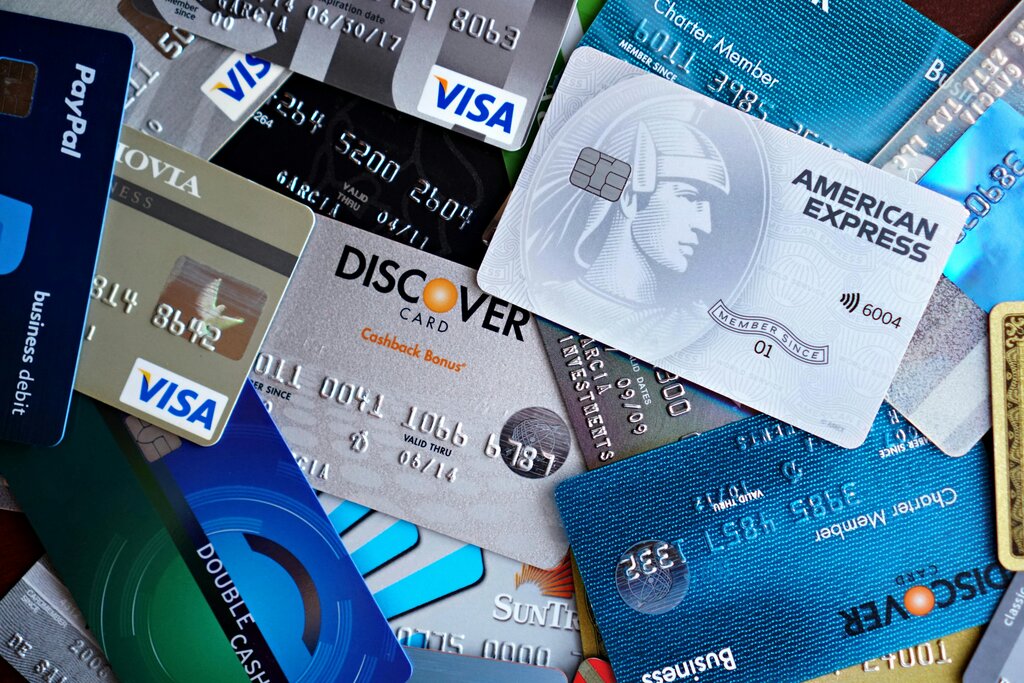
Points vs. Miles
You'll often hear the terms "points" and "miles" used to describe credit card rewards. While they're frequently used interchangeably, there's a subtle difference.
Miles traditionally refer to the rewards earned with an airline's frequent flyer program. You earn them by flying with that airline or by using a credit card co-branded with that airline. You typically redeem miles for flights.
Points are a more general term for the reward currency you earn from a bank's own loyalty program, like Chase Ultimate Rewards or American Express Membership Rewards. These points are often more flexible and can be redeemed in various ways, including being transferred to partner airline or hotel programs, turning them into miles.
In short: miles are usually tied to one airline, while points are a flexible currency from a bank.
Types of Rewards Cards
Rewards cards generally fall into a few main categories, each designed for different spending habits and goals.
| Card Type | How It Works | Best For |
|---|---|---|
| Cash Back | Earns a percentage of your spending back as cash or a statement credit. Simple and straightforward. | People who value simplicity and want to reduce their monthly bills. |
| Travel | Earns flexible points in a bank's program that can be used for travel, often by transferring to airline or hotel partners. | Travelers who want flexibility in how they book flights and hotels. |
| Co-branded | A partnership between a card issuer and a specific brand, like an airline or hotel chain. Earns points or miles directly with that brand. | Loyal customers of a specific airline or hotel who want brand-specific perks. |
How You Earn and Redeem
The mechanics of using a rewards card are simple at their core: you earn rewards by making purchases, and then you redeem those rewards for something of value.
Earning: Every dollar you spend earns you a base number of points or miles, usually one per dollar. Where it gets interesting is with bonus categories. Many cards offer multipliers, like 3x points on dining or 5x points on flights booked with an airline. The key to earning rewards quickly is to use a card that gives you bonus rewards on the things you buy most often.
Redeeming: When you've saved up enough points, you can cash them in. Common redemption options include:
- Booking travel through the credit card's online portal.
- Transferring points to partner airline or hotel loyalty programs.
- Getting cash back as a statement credit or direct deposit.
- Buying gift cards or merchandise.
Generally, you'll get the most value when redeeming for travel, but the best option depends on your personal goals.
The best way to get started is to understand your spending patterns, think about what type of rewards you prefer and pick a program that offers ways to earn points that match your spending patterns and rewards that cater to your preferences.
Now that you know the fundamentals, you have a solid base for exploring the world of credit card rewards. Let's test your knowledge.
What is the main reason credit card issuers offer rewards programs?
In the context of credit card rewards, 'points' are generally more flexible than 'miles'.