Trauma-Informed Mindfulness for Psychologists
Understanding Trauma
Defining Trauma
Psychological trauma is a response to a deeply distressing or disturbing event that overwhelms an individual's ability to cope. It can cause feelings of helplessness, diminish their sense of self, and disrupt their ability to feel a full range of emotions and experiences. It's not the event itself that defines trauma, but the individual's reaction to it.
Trauma is often categorized to better understand its nature and impact.
Acute trauma results from a single, isolated event, like a car accident or a natural disaster.
Chronic trauma is repeated and prolonged, such as ongoing domestic violence or long-term illness.
Complex trauma involves exposure to varied and multiple traumatic events, often of an invasive, interpersonal nature, like childhood neglect or abuse.
Clinicians also sometimes distinguish between "big T" traumas—life-threatening events—and "little t" traumas. These are events that are personally distressing but not necessarily life-threatening, like a divorce, job loss, or bullying. While they may seem less severe, their cumulative effect can be just as significant.
The Body and Mind's Response
When faced with a threat, the body's survival systems kick into high gear. The sympathetic nervous system activates the fight-or-flight response, flooding the body with adrenaline and cortisol. The goal is immediate survival. A third response, freeze, can also occur, where the body becomes immobile in the face of perceived inescapable danger.
In a non-traumatic situation, the nervous system returns to its normal state once the threat has passed. For a traumatized individual, this regulation process is disrupted. The brain can get stuck in a state of high alert, continuing to release stress hormones as if the danger is ever-present. This chronic stress response can lead to a host of physiological issues, including chronic pain, autoimmune disorders, and cardiovascular problems.
It is important to have awareness of the negative impact of psychological trauma on a person’s health and wellbeing.
Psychologically, the effects are just as profound. Trauma can fundamentally alter a person's core beliefs about themselves, other people, and the world. A belief in a just and safe world can be shattered, replaced by a sense that the world is dangerous and people are untrustworthy. Self-perception can also suffer, leading to feelings of shame, guilt, and worthlessness.
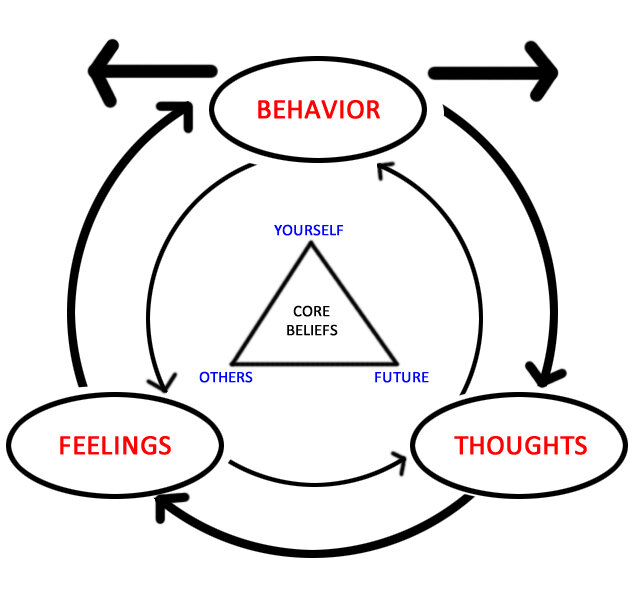
Common psychological responses include symptoms of post-traumatic stress disorder (PTSD), such as flashbacks and nightmares, as well as anxiety, depression, and dissociation. Dissociation, a detachment from reality, can range from mild spacing out to more severe breaks with one's sense of self and memory.
A Widespread Experience
Trauma is not a rare occurrence. Studies show that a majority of the general population will experience at least one traumatic event in their lifetime. While not everyone who experiences a traumatic event will develop PTSD or other lasting symptoms, the potential for impact is always there.
Certain populations have a higher prevalence of trauma exposure due to the nature of their work or societal position. This includes:
| Population | Common Traumas |
|---|---|
| Military Veterans | Combat exposure, military sexual trauma, injury |
| First Responders | Witnessing death and severe injury, high-stress events |
| Marginalized Groups | Systemic discrimination, poverty, community violence |
| Children | Abuse, neglect, witnessing domestic violence |
It is particularly important to recognise that the percentage of people who have experienced trauma is likely to be higher than the general population in the groups that many health and community services support, and that their trauma may have a major impact on how they interact with services (Henderson & Everett, 2018a).
Understanding this prevalence is the first step toward creating a clinical environment that is prepared to meet clients where they are, with full awareness of what they may have endured.
Why Recognition Matters
In a clinical setting, recognizing the signs of trauma is critical for effective treatment. Unidentified trauma can be easily misdiagnosed. A client's hypervigilance might be labeled as generalized anxiety, their emotional numbness as depression, or their relational difficulties as a personality disorder.
When the root cause—the trauma—is missed, treatments may only address the surface-level symptoms, leaving the underlying wound to fester. This can lead to years of ineffective therapy, client frustration, and a reinforcement of the client's feelings of being broken or misunderstood. Without a trauma lens, a clinician might inadvertently use techniques that are re-traumatizing for the client, such as pushing for exposure before the client has developed adequate coping resources.
Specifically, psychoeducation on the neurological and behavioural impacts of trauma was found to be critical.
Therefore, a foundational understanding of trauma is not just a specialty—it's an essential component of competent, ethical practice. It allows clinicians to formulate more accurate case conceptualizations, build stronger therapeutic alliances based on safety and trust, and choose interventions that truly support healing.
Let's review these core concepts.
What is the defining characteristic of psychological trauma?
After a threat has passed, a traumatized individual's nervous system often gets 'stuck' in a state of high alert. This is a disruption of which process?
With this foundation, we can begin to explore how to apply this knowledge in clinical practice.