Transportation in Plants and Animals Class 7
Human Blood Composition
The River of Life
Blood is often called the 'river of life', and for good reason. It flows constantly through your body, delivering essential goods and picking up waste. But it's not just a simple red liquid. Blood is a complex, living tissue made up of several different parts, each with a crucial job to do.
The essential components of the human cardiovascular system are the heart, blood, and blood vessels.
Think of it as your body's ultimate courier service. It transports oxygen from your lungs to every single cell, carries nutrients from your food to where they're needed, and removes waste products like carbon dioxide. Let's break down what's actually floating in this river.
Plasma: The Liquid Matrix
If you were to separate the components of blood, the first thing you'd notice is a yellowish liquid. This is plasma, and it makes up more than half of your blood's volume. It's about 92% water, which makes it the perfect transport medium for everything else.
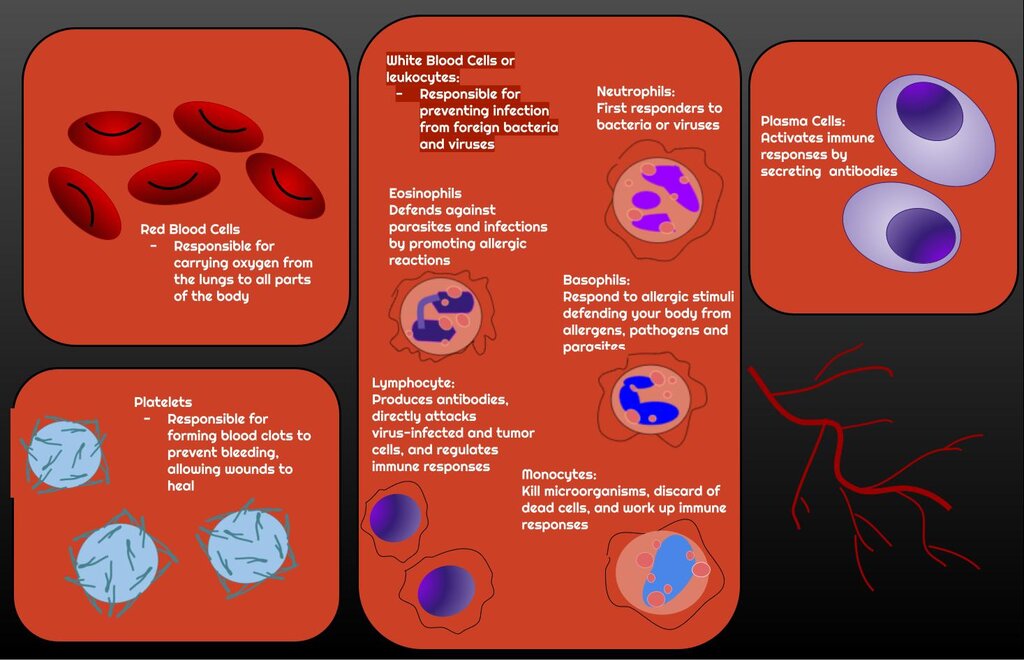
Suspended in this watery matrix are not just blood cells, but also vital substances like nutrients (glucose, vitamins, minerals), hormones that act as chemical messengers, and waste products like urea, which are on their way to the kidneys to be filtered out. The plasma is what keeps the blood flowing as a liquid, allowing the cells to travel freely throughout the circulatory system.
Oxygen Couriers and Waste Collectors
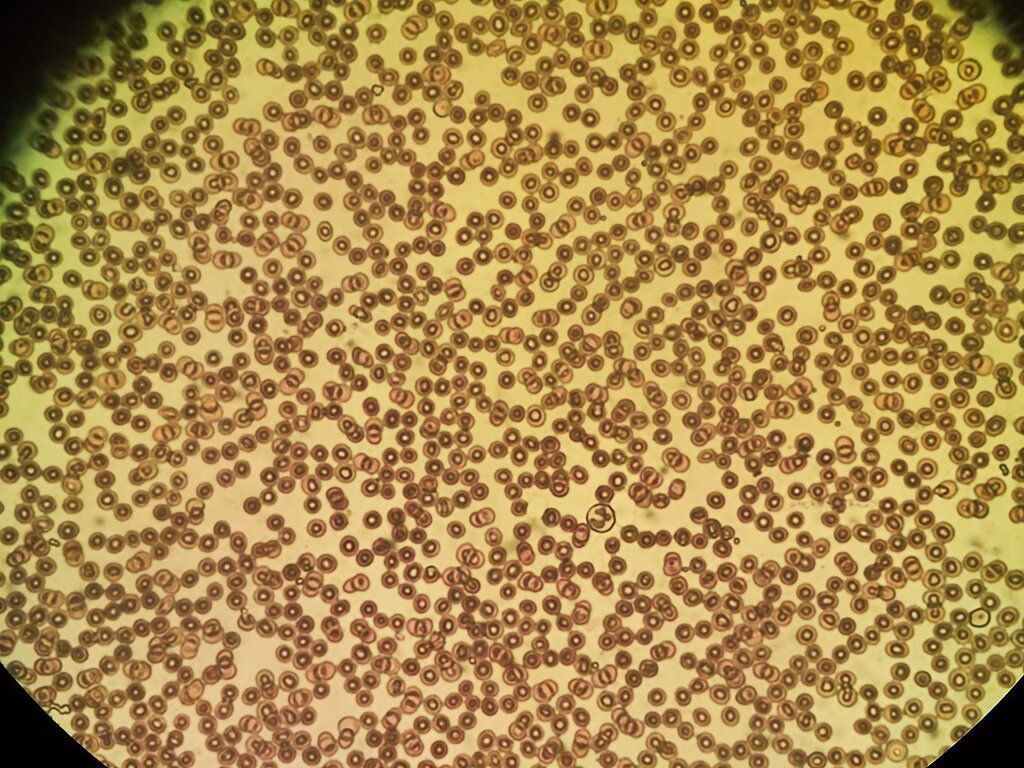
The most numerous cells in your blood are the Red Blood Cells, or RBCs. These are tiny, disc-shaped cells that are responsible for the most famous job blood has: carrying oxygen.
Hemoglobin
noun
An iron-containing protein in red blood cells that reversibly binds oxygen.
Each RBC is packed with a special protein called hemoglobin. This protein contains iron, which is what gives blood its red colour. More importantly, iron atoms in hemoglobin bind to oxygen molecules when blood passes through the lungs. As the blood circulates, the hemoglobin releases this oxygen to the body's tissues and cells, which need it for energy.
On the return trip, RBCs play another important role. They help transport carbon dioxide, a waste product of cellular activity, back to the lungs to be exhaled.
The Body's Guardians and Repair Crew
Floating alongside the RBCs are two other critical components: White Blood Cells (WBCs) and platelets.
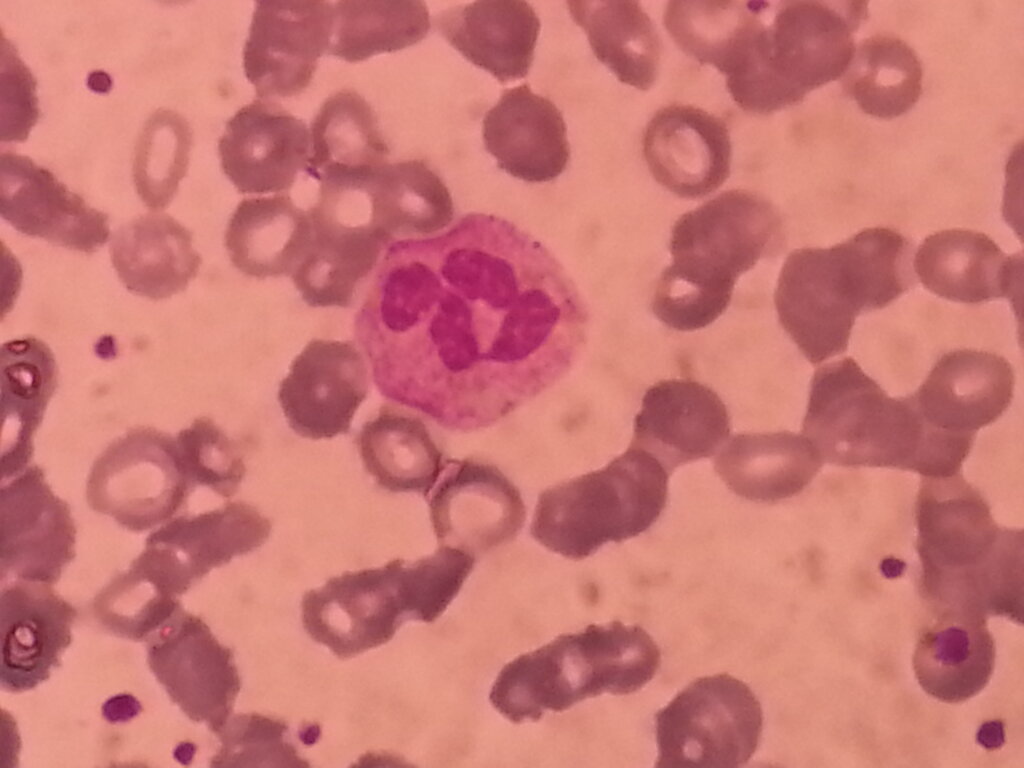
White Blood Cells are the soldiers of your immune system, constantly on patrol for invaders like bacteria, viruses, and other germs.
When they detect a harmful substance, they spring into action to destroy it, protecting you from illness. There are several types of WBCs, each with a specific way of fighting infection.
Platelets, on the other hand, are your body's emergency repair crew. They aren't complete cells but small fragments of cells. If you get a cut and a blood vessel is damaged, platelets rush to the scene. They stick to the site of the injury and to each other, forming a plug. This process, called coagulation or clotting, stops the bleeding and begins the healing process.
So, while you go about your day, this incredible mixture of plasma, cells, and platelets is working tirelessly. It's a delivery service, a waste disposal unit, and a defence force all rolled into one, ensuring every part of your body has what it needs to function.
Now, let's test your understanding of what makes up our blood.
What is the primary component of blood plasma?
The iron-containing protein in Red Blood Cells that binds to oxygen is called __________.
Each component of blood plays a vital role in keeping us healthy and alive, from transporting oxygen to fighting off infections.