Transitioning to Regenerative Agriculture
Understanding Regenerative Agriculture
Farming with Nature
Conventional farming often works against nature. It can deplete the soil of nutrients, reduce the variety of life in an area, and release carbon into the atmosphere. Regenerative agriculture flips this script. It’s a way of farming that aims to restore and enhance the entire ecosystem, from the microbes in the soil to the birds in the sky.
This holistic approach integrates ecological principles into agricultural practices by mimicking natural ecosystems—building soil health through organic matter additions, encouraging beneficial insect populations, and maintaining a balanced ecosystem that minimizes reliance on external inputs like synthetic fertilizers or pesticides.
Instead of just trying to produce a crop with minimal impact, regenerative agriculture actively improves the land. Think of it like this: a conventional farm might be like a factory, taking resources to produce a product. A regenerative farm is more like a thriving forest, where every part supports the others, creating a system that gets healthier and more productive over time. This approach is guided by a few core principles.
| Principle | What it means |
|---|---|
| Minimize Soil Disturbance | Plowing (or tilling) breaks up the soil structure, killing beneficial organisms. No-till or low-till farming keeps the soil ecosystem intact. |
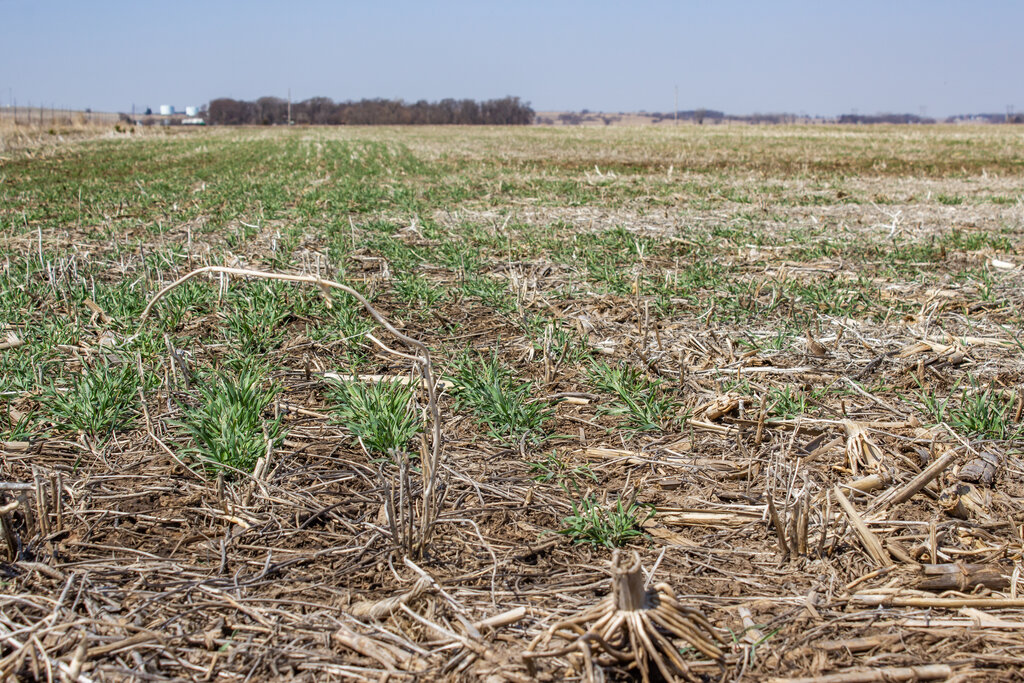
| Keep Soil Covered | Bare soil is vulnerable to erosion from wind and rain. Planting cover crops between main growing seasons protects the soil. |
| Increase Biodiversity | Monocultures, or growing just one crop, are rare in nature. Planting diverse crops and integrating animals creates a more resilient system. |
| Keep Living Roots in the Ground | Roots feed soil microbes, which in turn provide nutrients to plants. Keeping plants growing year-round keeps this vital cycle going. |
| Integrate Livestock | When managed properly, grazing animals can help cycle nutrients, manage vegetation, and improve soil health through their manure. |
Benefits Below and Above Ground
The foundation of regenerative agriculture is healthy soil. By disturbing the soil as little as possible and keeping it covered, farmers create a welcoming home for a vast community of bacteria, fungi, worms, and insects. This underground web of life is crucial.
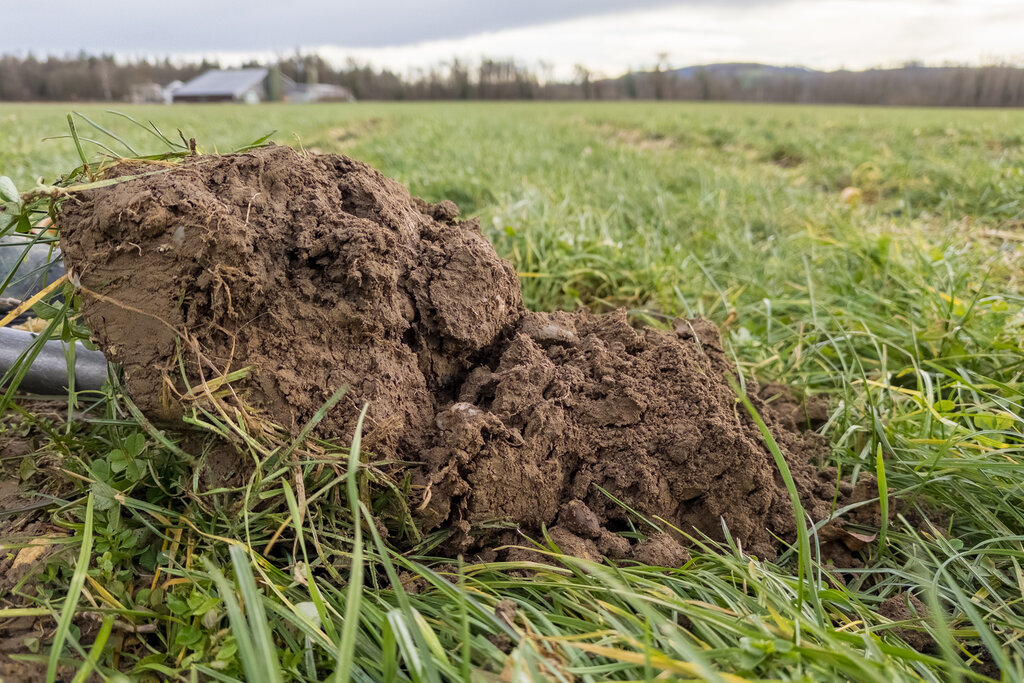
These organisms break down organic matter, making nutrients available for plants. They also create tunnels and pores that allow the soil to absorb and hold more water, making farms more resilient to drought. Healthy soil acts like a sponge, soaking up rainfall instead of letting it run off and cause erosion.
This boost in soil health leads to greater biodiversity. Healthier soil supports more robust plants, which in turn support a wider variety of insects, birds, and other animals. Practices like planting hedgerows or integrating trees with crops (a practice known as agroforestry) create new habitats, further increasing the number of species a farm can support.
Regenerative farming doesn't just grow food; it grows a complete, functioning ecosystem.
A Tool for a Cooler Planet
One of the most powerful benefits of regenerative agriculture is its role in fighting climate change. Plants are natural experts at capturing carbon dioxide from the atmosphere through photosynthesis. In conventional farming, much of this carbon is released back into the air when the soil is plowed.
Regenerative practices change this equation. By keeping the soil covered and undisturbed, carbon is stored long-term in the soil in the form of organic matter. Healthy soil is rich in carbon, which is what gives it its dark, crumbly texture.
Sequestration
noun
The process of capturing and storing atmospheric carbon dioxide. It is one method of reducing the amount of carbon dioxide in the atmosphere with the goal of reducing global climate change.
When millions of acres of farmland switch to regenerative methods, the impact can be significant. Each field becomes a small but mighty tool for carbon sequestration, drawing down CO₂ from the atmosphere and locking it safely underground. This process not only helps mitigate climate change but also improves the soil's fertility and water-holding capacity, creating a cycle of benefits.
Now let's review what you've learned about the foundations of regenerative agriculture.
What is the primary goal of regenerative agriculture?
True or False: In regenerative agriculture, healthy soil helps capture and store atmospheric carbon.
These practices show how farming can be a solution, working with natural systems to restore health to our land and stability to our climate.