Transitioning Institutional Knowledge
Knowledge Transfer Strategies
Capturing an Expert's Knowledge
When a seasoned fundraiser leaves, they take years of experience with them. Relationships with donors, the unspoken history of major gifts, and the subtle strategies that work—this knowledge is invaluable. A structured knowledge transfer plan ensures this expertise doesn't walk out the door. The goal is to turn one person's wisdom into a durable asset for the entire organization.
Effective knowledge transfer is essential to preserve critical information during leadership changes.
This process isn't just about preventing disruption. It’s an opportunity to refine your processes, empower your team, and build a more resilient fundraising operation. Let's break down the core strategies for making this happen.
From Mind to Manual
The most direct way to preserve knowledge is to write it down. This means systematically documenting the departing employee's critical processes and procedures. Don't just ask them to write a
manual
noun
A book of instructions, especially for operating a machine or learning a subject; a handbook.
on their last day. Start early and be specific.
Focus on the
how
and the
why
. For example, document the step-by-step process for preparing the annual giving report. But also capture the reasoning behind it. Why are certain metrics highlighted? What's the story the data is meant to tell donors?
Key areas to document include:
- Donor Histories: Notes on key relationships, communication preferences, and personal interests that aren't in the CRM.
- Proposal Processes: Templates, timelines, and internal review steps for grant proposals and major gift requests.
- Event Playbooks: Detailed guides for annual galas or alumni weekends, from vendor contacts to volunteer management.
- Reporting Routines: How to pull lists, generate reports, and analyze fundraising performance.
Learning by Doing
Documentation is crucial, but some knowledge can only be passed on through experience. Mentorship and shadowing programs allow team members to learn directly from the expert before they leave.
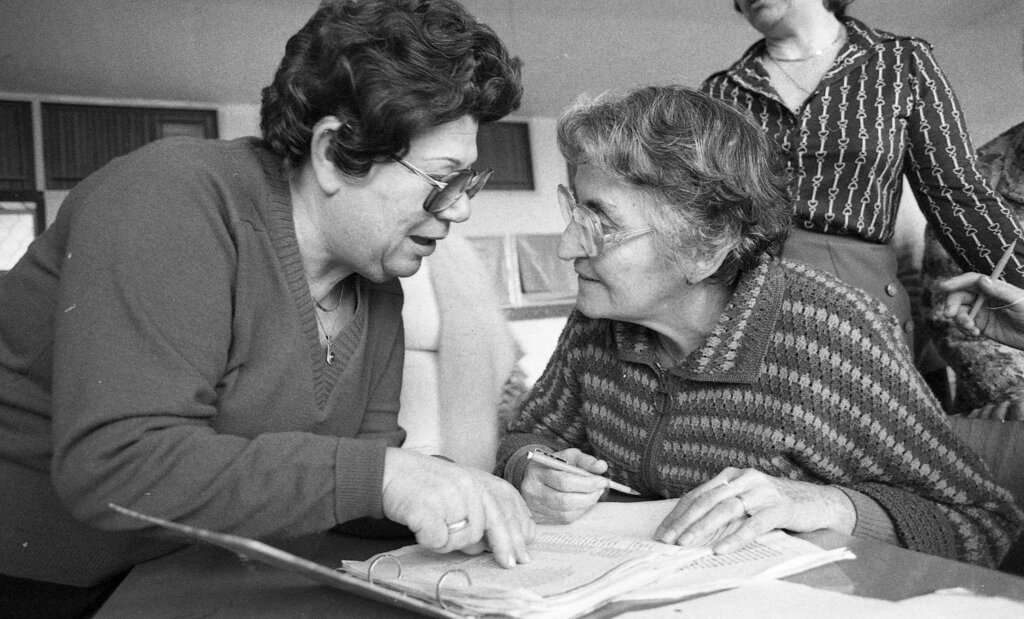
Shadowing is a powerful tool. Have a colleague follow the departing employee for a few days or weeks. They can observe donor meetings, listen in on calls, and see how complex problems are solved in real time. This is where the nuances of the role are revealed—the things that rarely make it into a manual.
A formal mentorship can be even more structured. Pair the departing employee with their successor or a high-potential junior colleague. This relationship should focus on transferring strategic thinking, not just daily tasks. They can work together on a final campaign or transition key donor relationships as a team.
Building a Digital Brain
Your documentation needs a home. A centralized knowledge management system acts as a shared brain for your team, making information easy to find and update. This could be a sophisticated platform, but it doesn't have to be. A well-organized shared drive, a team wiki, or dedicated folders within your CRM can work just as well.
The key is to make it a living resource. Information should be organized intuitively, and everyone on the team should know where to find it. This digital repository becomes the foundation of your institutional memory.
Finally, the exit interview is more than a formality. It’s your last, best chance to capture high-level insights. Ask targeted questions:
- What are the biggest untapped opportunities you see for us?
- Which donor relationship needs the most careful handling over the next six months?
- What is the one piece of advice you'd give your successor?
This conversation provides context that documentation and shadowing might miss. It captures the strategic wisdom gained over a long and successful tenure.
Ready to check your understanding?
What is the primary goal of a structured knowledge transfer plan when a fundraiser leaves?
When documenting a departing fundraiser's processes, what are the two most critical aspects to capture?
By combining documentation, mentorship, and smart use of technology, you can ensure a smooth transition. The departure of a key employee becomes a moment for growth, not a crisis.