Transformers for Language Models
Introduction to NLP
What is Natural Language Processing?
Natural Language Processing, or NLP, is the field of artificial intelligence dedicated to helping computers understand, interpret, and generate human language. Think of it as building a bridge between the way we communicate and the way machines process information. At its core, NLP tackles the messy, unstructured nature of human language and gives it a form that computers can work with.
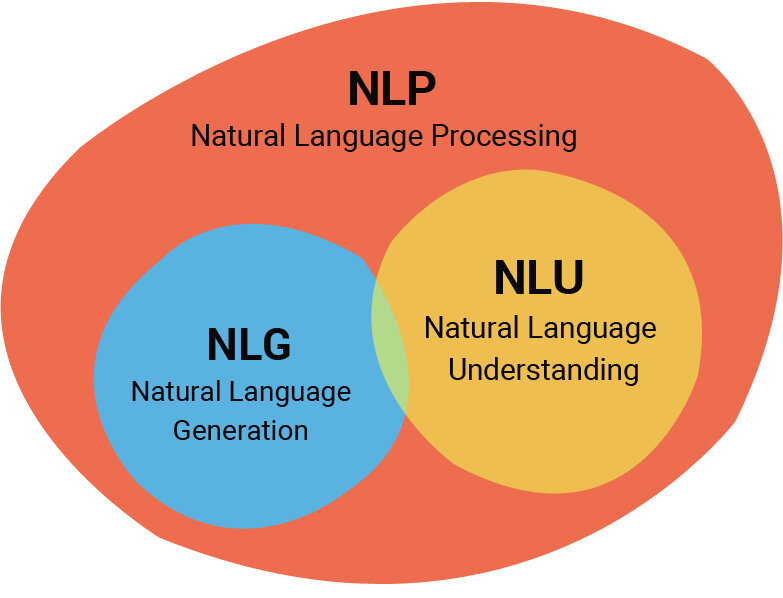
NLP is an umbrella term that covers two main goals. The first is Natural Language Understanding (NLU), which focuses on a computer's ability to read and comprehend language. The second is Natural Language Generation (NLG), which is all about a computer's ability to write or speak language back to us.
Why Does NLP Matter?
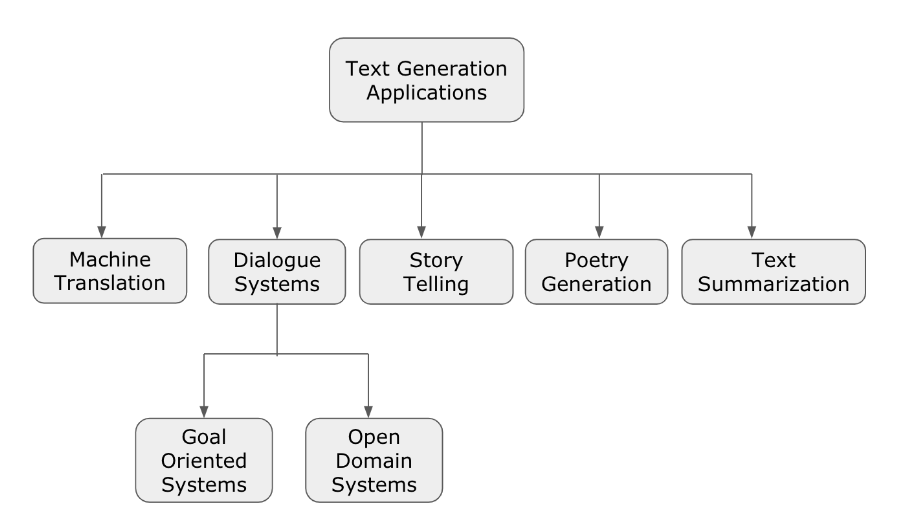
You probably use NLP every day without even realizing it. When you ask a digital assistant for the weather, use a translation app to read a menu in a foreign country, or see your email automatically sort a message into the spam folder, you're seeing NLP in action. It's the technology behind chatbots, sentiment analysis tools that gauge public opinion on social media, and systems that can summarize long articles for you in seconds.
The Hurdles of Human Language
Teaching computers to understand language is incredibly difficult. Human language is filled with nuances, context, and inconsistencies that we navigate effortlessly but are tough for machines. There are three main challenges: ambiguity, context, and variability.
"I saw a man on a hill with a telescope."
Who has the telescope? You or the man on the hill? The sentence has two possible meanings, making it ambiguous.
Ambiguity, like in the example above, is a huge problem. A single word or phrase can have multiple meanings depending on how it's used. Computers struggle to pick the correct one without a deeper understanding.
ambiguity
noun
The quality of being open to more than one interpretation; inexactness.
Context is also crucial. The phrase "it's cool" can mean something is at a low temperature, something is fashionable, or that something is acceptable. Without knowing the situation, a computer is just guessing. Finally, there's the sheer variability of language. We have slang, dialects, accents, and the simple fact that there are countless ways to say the same thing.
Water
The simple concept of "water" can be expressed differently across thousands of languages, each with its own grammar and structure. Overcoming these challenges requires powerful and sophisticated models, which is why architectures like the Transformer have become so important in the field of NLP.
Let's review these core concepts.
What is the primary goal of Natural Language Processing (NLP)?
A chatbot's ability to comprehend a user's question falls under __________, while its ability to formulate a coherent reply falls under __________.