Transformer Architecture Explained
Introduction to Transformers
A New Way to See Language
For a long time, teaching computers to understand human language was a slow, one-word-at-a-time process. Early models worked like we read, sequentially processing a sentence from beginning to end. This created a bottleneck. If a sentence was long, the model might forget the beginning by the time it reached the end, losing crucial context along the way.
Think about it: the meaning of a word often depends on other words far away in the sentence. Understanding these long-range connections is key to understanding language.
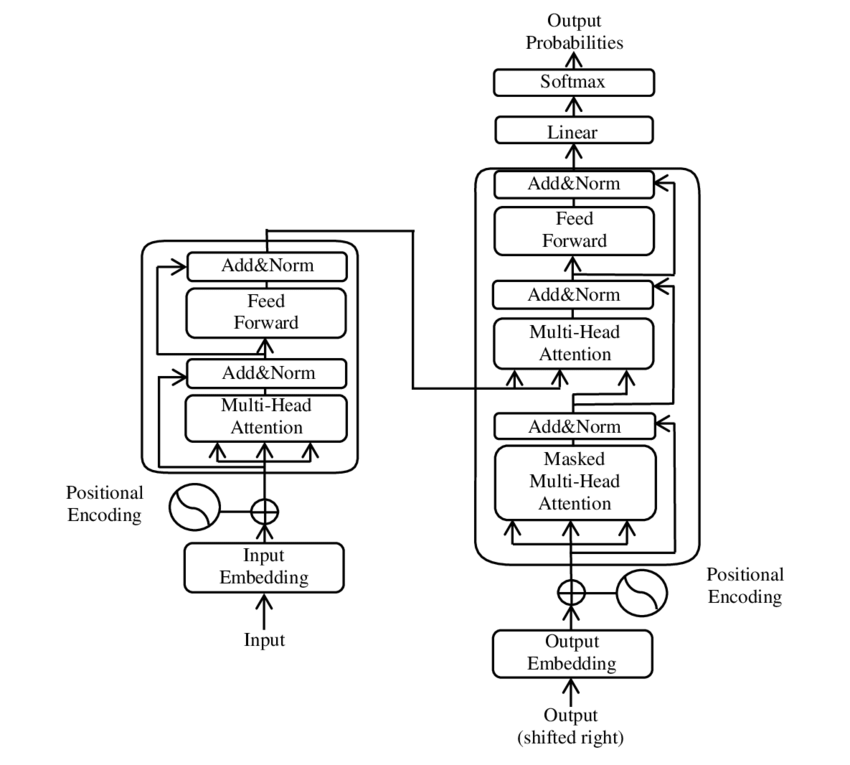
In 2017, a research paper titled "Attention Is All You Need" introduced a new architecture that changed everything. It was called the Transformer. Instead of processing words in order, Transformers can look at every word in a sentence at the same time. This parallel processing allows them to grasp the relationships between all words, no matter how far apart they are.
Out with the Old
Before Transformers, Recurrent Neural Networks (RNNs) were the standard for language tasks. An RNN reads a sentence one word at a time, maintaining a sort of 'memory' of what it has seen so far. But this memory is fragile. Like a person trying to remember the start of a very long story, an RNN can lose track of early information.
This sequential nature also made them slow. To process a 10-word sentence, an RNN had to perform 10 sequential steps. A 100-word sentence required 100 steps. There was no way to speed this up.
Convolutional Neural Networks (CNNs), famous for their success in image recognition, were also adapted for text. CNNs are good at finding local patterns, like looking at a small group of pixels in an image. In text, this meant they could identify patterns in short phrases. However, they struggled to connect the first word of a paragraph with the last. Their view was too localized.
Transformers overcame these limitations. By processing all the data at once, they can handle long texts without 'forgetting' the beginning, and by calculating the relationships between every word, they can see both local and distant connections.
The transformer reduces the number of sequential operations using a multi-head attention mechanism.
The Impact of a New Idea
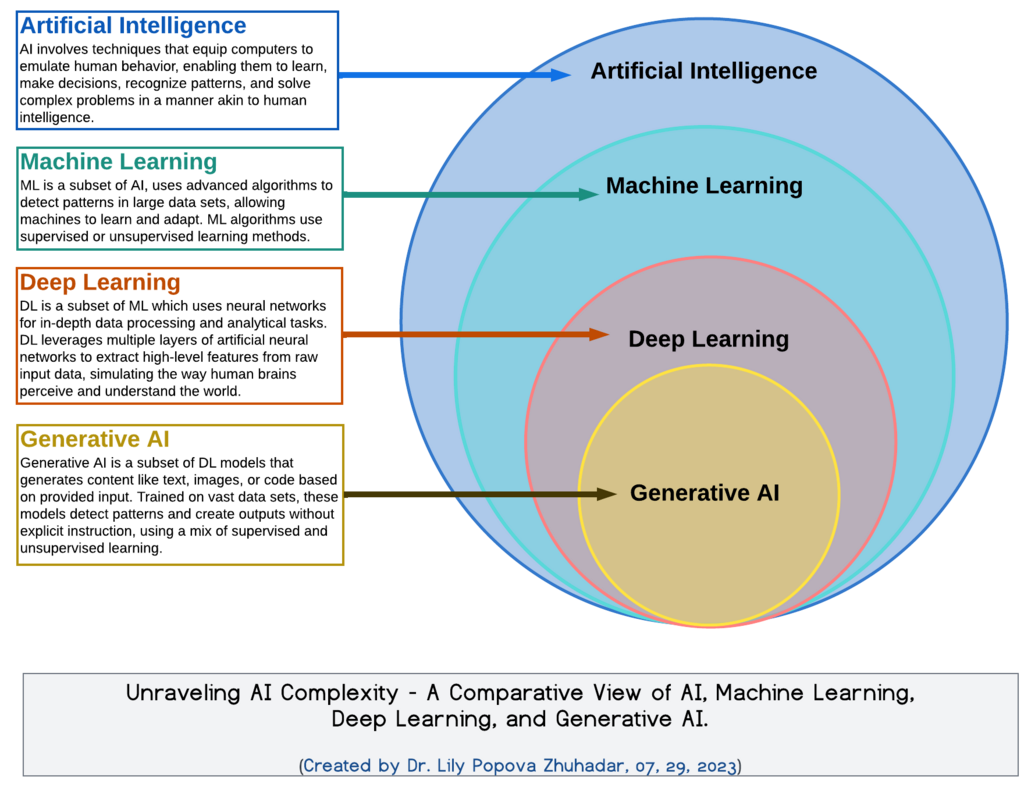
The arrival of the Transformer architecture was a watershed moment for AI. Because they are parallelizable, they can be trained on vastly larger amounts of data than older models. This ability to scale is what led to the creation of today's Large Language Models (LLMs) like GPT and BERT.
The improvement wasn't just in speed and scale. Transformers provided a much deeper understanding of context. This led to breakthroughs in machine translation, text summarization, question answering, and content generation. The AI revolution we see today, from chatbots to code assistants, is built on the foundation laid by the Transformer.
Let's review what we've covered.
Now, check your understanding with a few questions.
What was the primary limitation of Recurrent Neural Networks (RNNs) for language tasks that the Transformer architecture solved?
True or False: The parallel processing capability of Transformers allows them to be trained faster and on larger datasets than sequential models like RNNs.
In the next section, we'll start to unpack the components of the Transformer, beginning with its core mechanism: self-attention.