Trampoline Basics
Trampoline History
Ancient Bouncing
The idea of using a taut surface to propel someone into the air isn't new. For centuries, the Inuit people of Alaska have practiced a blanket toss, using a stretched walrus or seal skin to launch each other high into the air during celebrations. This activity, known as Nalukataq, is both a game and a tradition.
There are other historical examples of trampoline-like devices. Firefighters in the late 19th century used life nets to catch people jumping from burning buildings. While designed for safety, the nets had a noticeable spring to them. These early examples, however, were a far cry from the coiled-steel and canvas contraption we know today.
The Modern Trampoline
The invention of the modern trampoline is credited to two Americans, George Nissen and Larry Griswold. In the 1930s, while watching trapeze artists at a circus, Nissen, a gymnast at the University of Iowa, was fascinated by how they would drop into a safety net at the end of their performance. The net had enough give to cushion their fall and bounce them gently.
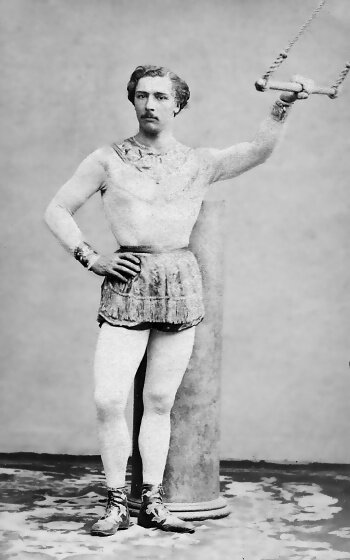
He thought it would be amazing if performers could keep bouncing and perform more tricks. He and his coach, Griswold, started experimenting in their garage. They built the first prototype using a steel frame, a piece of canvas, and coiled springs. They called their invention a "trampoline," borrowing the name from the Spanish word trampolín, which means diving board.
diving board
From Training Tool to Global Sport
Initially, the trampoline wasn't just for fun. During World War II, the U.S. military used it to train pilots and navigators, helping them learn to orient themselves in the air. Later, American and Soviet astronauts used trampolines to practice maneuvering in zero gravity.
After the war, Nissen began promoting the trampoline as a new form of recreation. He traveled the world, famously bouncing on a trampoline with a kangaroo in Australia. Soon, specialized "jump centers" and trampoline parks started popping up across the United States. The backyard trampoline became a suburban staple.
The activity also grew into a competitive sport. Trampolining developed its own set of complex aerial maneuvers, and the first World Championships were held in 1964. The sport finally gained mainstream recognition when it was introduced as an official event at the 2000 Olympic Games in Sydney, Australia.
The journey of the trampoline from a circus-inspired invention to an Olympic sport shows how a simple idea can capture the world's imagination.
Let's review what you've learned.
Who are the two Americans credited with inventing the modern trampoline?
The name "trampoline" was borrowed from the Spanish word trampolín. What does trampolín mean?
From a walrus skin to a world stage, the trampoline has had quite a history.