Training Large Language Models
Introduction to LLMs
What Is a Large Language Model?
A large language model, or LLM, is a type of artificial intelligence designed to understand and generate human-like text. Think of it as an extremely well-read apprentice that has studied a library larger than any human could ever read. By processing this vast amount of information, it learns the patterns, grammar, context, and nuances of language.
The "large" in its name refers to two things: the enormous size of the text dataset it's trained on and the massive number of parameters it contains. These parameters are like tiny adjustable knobs that the model tunes during its training process. Having billions of these parameters allows an LLM to capture incredibly subtle relationships within language, making its responses sophisticated and coherent.
Large Language Models (LLMs) represent a monumental advancement in artificial intelligence, unlocking unprecedented capabilities for understanding and generating human-like language.
This ability to mimic human communication has made LLMs a foundational technology in modern AI. They are changing how we write code, get information, and interact with software.
A Quick History
The idea of teaching machines language isn't new. Early attempts in the mid-20th century relied on hand-coded rules created by linguists. These systems were brittle and couldn't handle the sheer complexity of human language. If a sentence didn't fit the pre-written rules, the program would fail.
Later, statistical methods took over. Instead of rigid rules, models like n-grams would predict the next word based on the probability of it following the previous few words. This was a step up, but these models had a very short memory and lacked any real understanding of context.
The real breakthrough came with neural networks, particularly Recurrent Neural Networks (RNNs). RNNs could handle sequences of data, like sentences, and maintain a form of memory. But they struggled with long-term dependencies. Remembering a key detail from the beginning of a long paragraph was often too difficult.
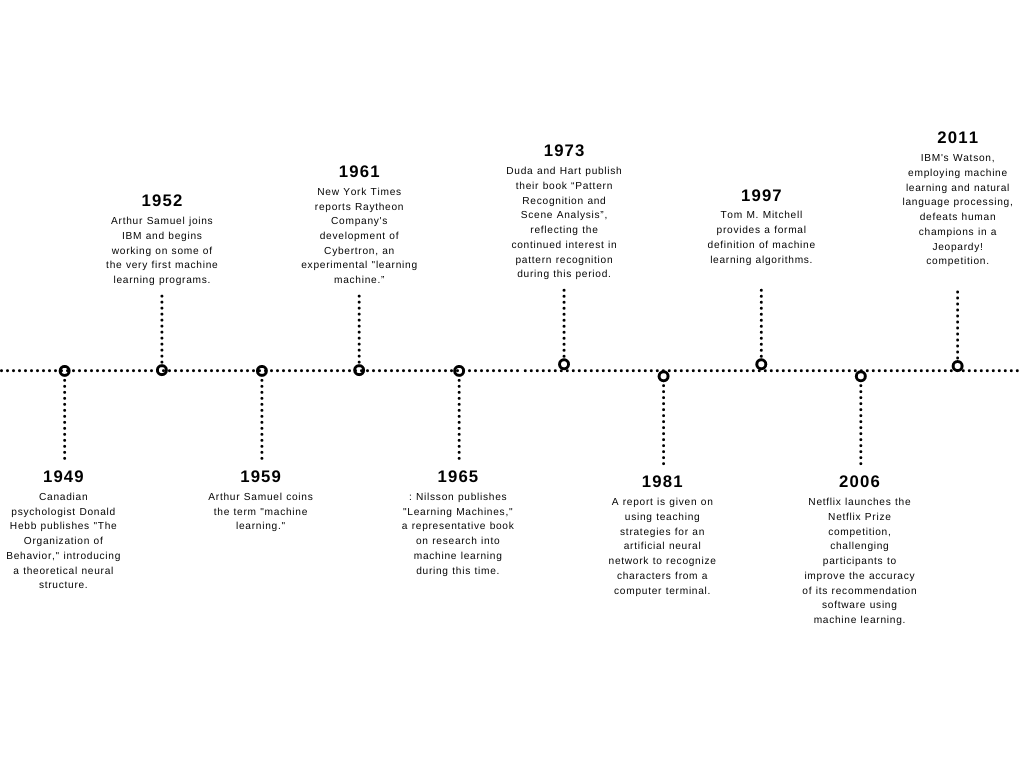
Then, in 2017, everything changed with the introduction of the Transformer architecture. This new model design solved the memory problem and set the stage for the powerful LLMs we see today.
The Transformer Architecture
The Transformer is the engine that powers nearly all modern LLMs. Its key innovation is a mechanism called attention. Instead of processing a sentence word by word in strict order, the attention mechanism allows the model to weigh the importance of every other word in the input text when considering a single word.
Imagine you read the sentence, "The robot picked up the red ball because it was blocking the path." To understand what "it" refers to, your brain instantly focuses on "the red ball," not "the robot" or "the path." The attention mechanism does something similar. It learns which words are most relevant to which other words, no matter how far apart they are in the text. This gives the model a much deeper sense of context.
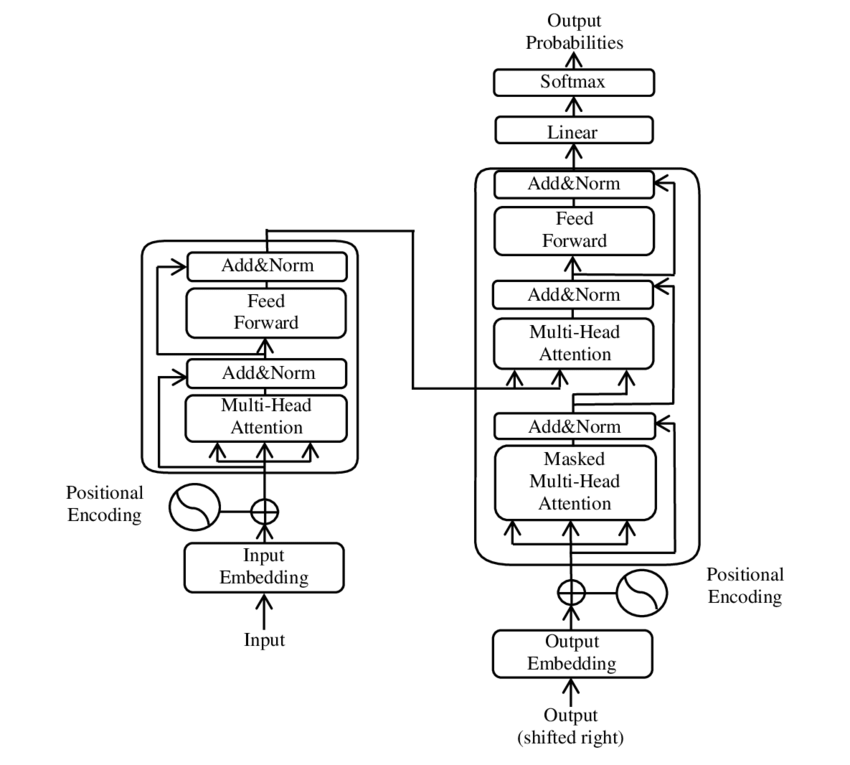
A Transformer is typically composed of two main parts: an encoder and a decoder. The encoder reads the input text and builds a numerical representation of it, capturing the contextual meaning. The decoder then takes this representation and generates the output text, one word at a time, using the context provided by the encoder.
This architecture is highly parallelizable, meaning it can process many parts of the input text at once. This efficiency is crucial for training on the massive datasets that make LLMs so powerful.
What LLMs Can Do
Because they are trained on such diverse data, LLMs are incredibly versatile. They aren't designed for just one task but can be adapted to many different applications, often with just a simple instruction called a prompt.
| Application | Description |
|---|---|
| Content Creation | Write emails, articles, marketing copy, and even poetry. |
| Summarization | Condense long documents or articles into key points. |
| Translation | Translate text between dozens of languages with high accuracy. |
| Question Answering | Act as a conversational search engine, answering complex questions. |
| Code Generation | Write code snippets in various programming languages based on a description. |
| Chatbots | Power sophisticated customer service bots and virtual assistants. |
This general-purpose nature is what makes LLMs so transformative. They provide a flexible foundation that can be applied to countless problems across different industries.
Understanding these basics, from the core concept to the underlying Transformer architecture, is the first step in appreciating how these models work and how they are trained to perform such a wide array of tasks.