Traditional Digital Payments Explained
Introduction to Digital Payments
Beyond Cash
A digital payment is any transaction that happens without physical cash. When you buy a coffee with your phone, pay a bill online, or send money to a friend through an app, you're using a digital payment system. These systems are the invisible engines of modern commerce, moving money quickly and securely from one account to another.
Instead of handing over bills and coins, we're transferring data. This shift has made buying and selling things faster, more convenient, and possible across vast distances.
This convenience is built on decades of innovation. Let's look at how we got from paper checks to tapping our phones to pay.
The Rise of Plastic Money
The idea of paying without cash isn't new. For a long time, stores let trusted customers run a tab. But this was based on personal relationships. The first true credit card, the Diners Club card, appeared in 1950. It was a simple cardboard card that allowed members to charge meals at participating restaurants and settle the bill later. It was a game-changer.
Banks soon followed, issuing their own credit cards. Then came a crucial development: the debit card. Unlike a credit card, which is a form of loan, a debit card pulls money directly from your bank account. This gave people a way to pay electronically without going into debt.
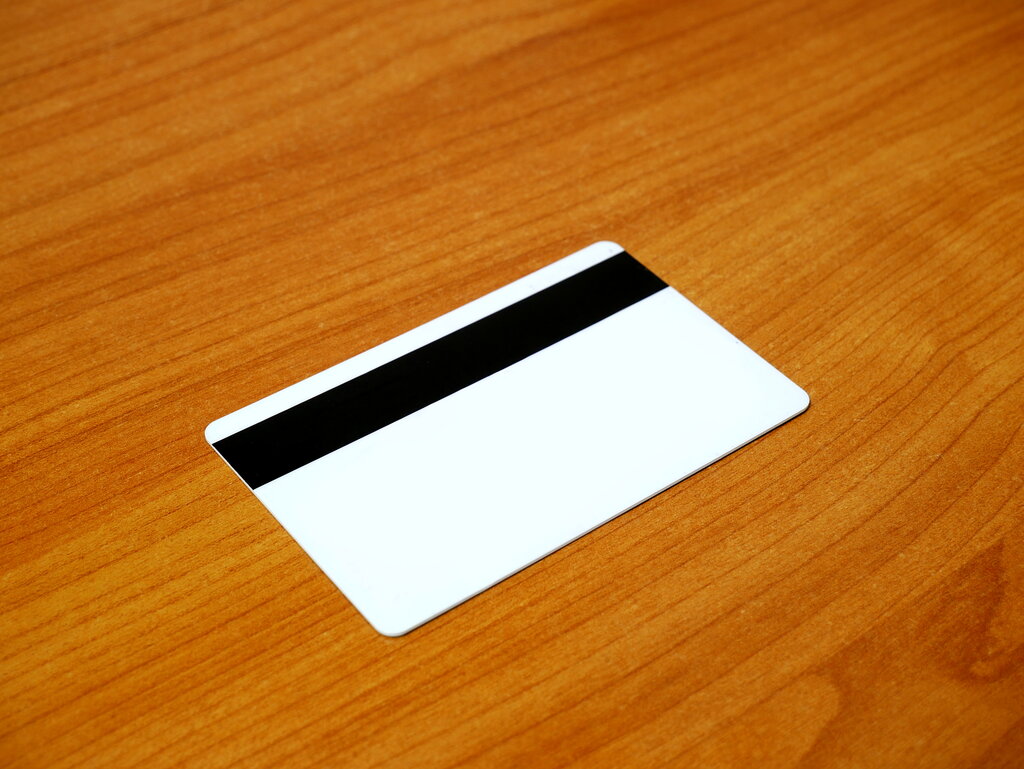
The magic behind these early cards was the magnetic stripe, that black or brown strip on the back. It stores your account information, which a card reader can swipe to process the payment. It was the standard for decades.
Moving Money Between Banks
Paying with a card is one thing, but how does the money actually get from your bank to the store's bank? This happens through bank transfers, which have also evolved dramatically.
In the early days, moving money between banks was a slow, manual process involving paper records. The first major leap forward was the Automated Clearing House (ACH) network, established in the 1970s. ACH systems bundle payments together and process them in large batches. Many common transfers, like direct deposit paychecks and automatic bill payments, still rely on this reliable, cost-effective method.
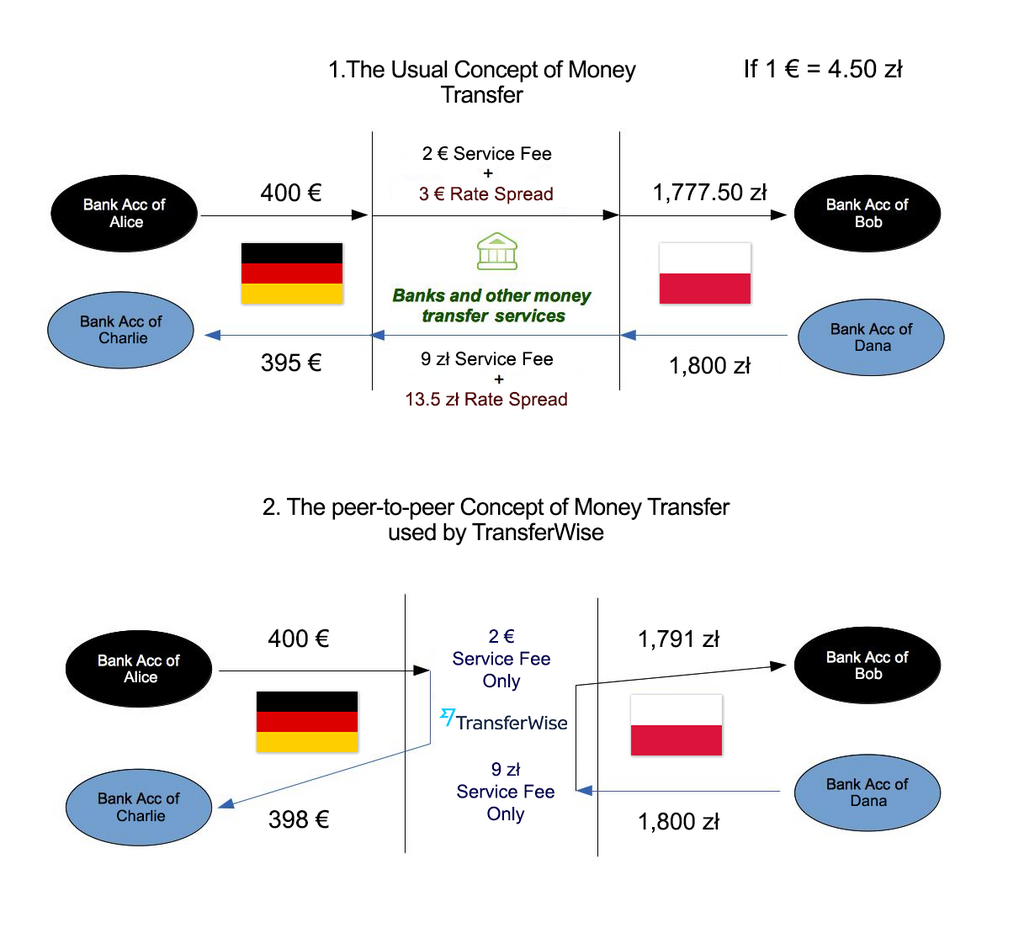
While ACH is efficient, it's not instant. The demand for speed has led to the rise of real-time payment networks. These systems can transfer funds from one bank to another in seconds, 24/7. Peer-to-peer payment apps that let you instantly send money to a friend are powered by this newer technology.
The Tech Behind the Tap
Today's payments are faster and more secure than ever, thanks to improvements on the original card technology. While the magnetic stripe was revolutionary, it was also relatively easy to copy.
This led to the development of the EMV chip, the small, metallic square now found on most credit and debit cards. When you "dip" your card, the chip creates a unique, one-time-use code for the transaction. This code is useless if stolen, making chip cards much more secure than those with only a magnetic stripe.
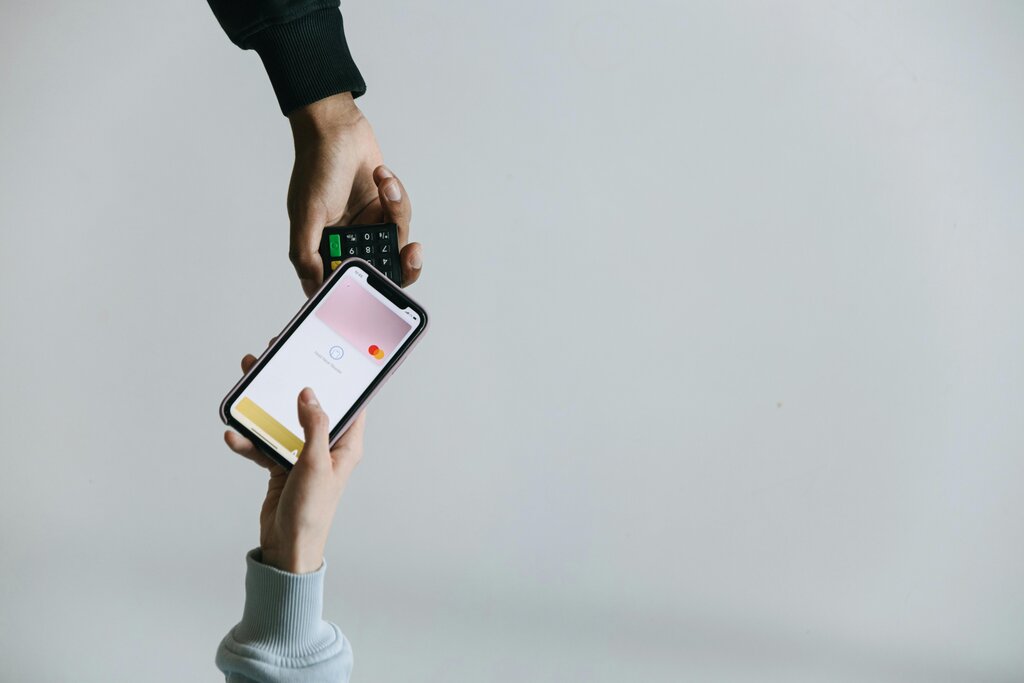
The latest evolution is contactless payment. This is made possible by Near Field Communication (NFC), a technology that lets two devices, like your card and a payment terminal, communicate when they are close together. When you tap to pay, the NFC chip in your card or phone securely transmits your payment information, using the same one-time code principle as an EMV chip. It's the same security, but with more speed and convenience.
Let's review what we've covered.
What is the primary difference between a credit card and a debit card?
What technology creates a unique, one-time-use code for each transaction, making 'dipping' your card more secure than swiping?
From paper cards to encrypted radio waves, the way we pay has transformed. These foundational technologies paved the way for the complex digital payment ecosystem we use every day.