Trading ICC Events and Instruments
Introduction to Cricket
A Bat and Ball Beginning
Cricket's origins trace back to at least 16th-century England, where it began as a children's game in the rural southeast. The name likely comes from the Old English word "cryce," meaning a crutch or staff, which early bats resembled. The game grew up, with the first recorded adult match taking place in 1611. By the 18th century, it had become England's national sport.
As the British Empire expanded, so did cricket's reach. The game was introduced to North America, the West Indies, Australia, New Zealand, and the Indian subcontinent. The first-ever international match was played between the USA and Canada in 1844. The sport's formal rules, known as the Laws of Cricket, were codified by the Marylebone Cricket Club (MCC) in London in 1788, and the MCC remains the custodian of the Laws today.
The Basics of Play
At its heart, cricket is a contest between two teams of eleven players. The goal is simple: score more runs than the other team. One team bats, trying to score runs, while the other team fields and bowls, trying to get the batters out.
A run is scored when a batter hits the ball with their bat and runs to the opposite end of a 22-yard-long strip called the pitch. The two batters on the field run back and forth between two sets of three wooden stumps, called wickets, that are placed at each end of the pitch. Hitting the ball to the boundary of the field can also score an automatic four or six runs.
innings
noun
A team's turn to bat and score runs. In most formats, each team gets one or two innings.
The fielding team's main weapon is the bowler, who propels a hard, leather-bound ball from one end of the pitch toward the batter at the other end. The bowler's aim is to dismiss the batter, or get them "out."
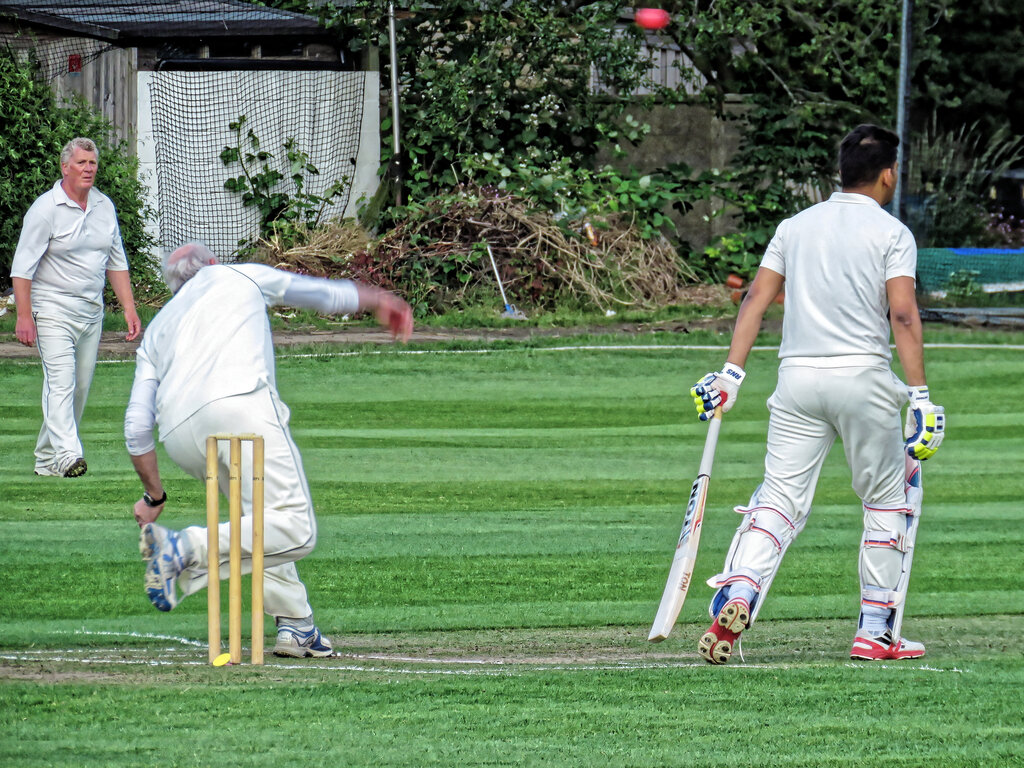
Once a batter is out, they leave the field and are replaced by the next batter on their team. The innings ends when ten of the eleven batters are out. Then, the teams switch roles. There are several ways for a batter to get out. The most common are:
- Bowled: The bowler hits the wicket with the ball, dislodging the small pieces of wood (bails) on top.
- Caught: A fielder catches the ball after the batter has hit it, before it touches the ground.
- Leg Before Wicket (LBW): The ball hits the batter's body instead of the bat, and the umpire judges that it would have gone on to hit the wicket.
- Run Out: A fielder throws the ball at the wicket while a batter is running between them, and the wicket is broken before the batter is safely in.
Three Flavors of Cricket
Cricket isn't a one-size-fits-all sport. It is played in three main formats, each offering a different pace and strategic challenge.
Test cricket is the traditional, longest form of the game. Matches are played over five days, with each team batting for two innings. It's a game of endurance, patience, and deep strategy, considered by many purists to be the ultimate test of a team's ability.
One Day International (ODI) cricket is a much shorter version. As the name suggests, these matches are completed in a single day. Each team gets one innings and faces a limited number of overs, typically 50. An over consists of six legal deliveries by a bowler. This format requires a balance of aggressive run-scoring and careful preservation of wickets.
Twenty20 (T20) is the fastest and most explosive format. Each team gets a single innings of just 20 overs. The game is over in about three hours, packing in lots of action, big hits, and thrilling finishes. T20 has become incredibly popular worldwide for its entertainment value.
| Format | Duration | Overs per Innings |
|---|---|---|
| Test | Up to 5 days | Unlimited |
| ODI | ~8 hours | 50 |
| T20 | ~3 hours | 20 |
Who's in Charge?
The global governing body for cricket is the International Cricket Council (ICC). Founded in 1909 as the Imperial Cricket Conference, it was initially made up of representatives from England, Australia, and South Africa. Today, it has over 100 member countries.
The ICC's role is to oversee all aspects of international cricket. It sets the playing conditions, codes of conduct, and anti-doping regulations. It also appoints umpires and referees for all sanctioned international matches. A major part of its job is organizing major global tournaments, including the Cricket World Cup (in both ODI and T20 formats) and the World Test Championship.
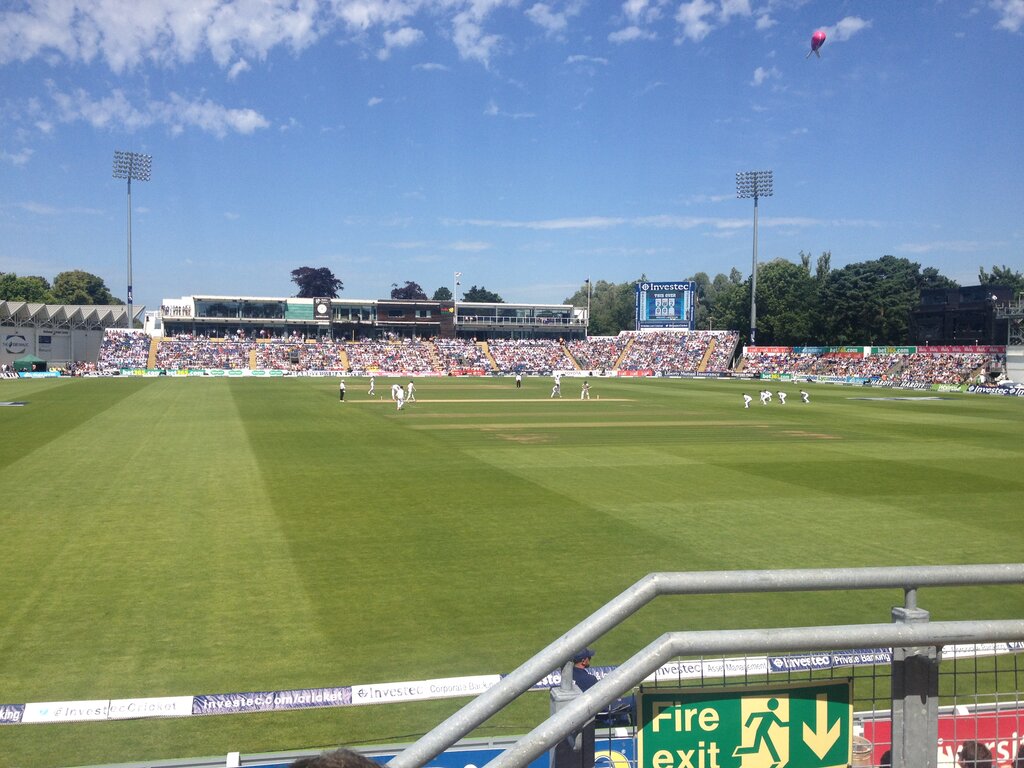
Now that you've got the basics down, let's check your understanding.
Cricket is believed to have originated in which century and country?
The Laws of Cricket, the official rules of the sport, are maintained and codified by which organization?
Understanding the history, rules, and governance of cricket provides the foundation for exploring its wider impact.