Trading Fundamentals Explained
Introduction to Financial Markets
What Are Financial Markets?
Think of a bustling farmers' market. Growers bring their produce, and shoppers come to buy fresh food. Financial markets work in a similar way, but instead of trading fruits and vegetables, people trade financial instruments like stocks and bonds. It's a place where buyers and sellers come together.
The main purpose of these markets is to connect people who have extra money (savers and investors) with those who need money (like companies or governments). This flow of capital is what helps businesses launch new products, build factories, and create jobs. In short, financial markets help power the economy.
The Main Market Types
Financial markets aren't all the same. They're categorized based on what's being traded. The three main types you'll hear about are equity, debt, and derivatives markets.
Equity markets are for trading stocks. When you buy a stock, you're buying a small piece of ownership—or equity—in a company. If the company does well, the value of your ownership share might go up.
Equity
noun
The value of the shares issued by a company; ownership interest.
Debt markets are where participants buy and sell debt. The most common form of this is a bond. When you buy a bond from a company or a government, you're essentially lending them money. In return, they promise to pay you back with interest over a set period.
Bond
noun
A debt investment in which an investor loans money to an entity (typically corporate or governmental) which borrows the funds for a defined period of time at a variable or fixed interest rate.
Derivatives markets are a bit more complex. Here, traders buy and sell contracts whose value is derived from an underlying asset, like a stock, bond, or even a commodity like oil. These can be used to bet on future price movements or to protect against risk.
Derivative
noun
A financial security with a value that is reliant upon or derived from an underlying asset or group of assets.
Who's Who in the Market
Just like any ecosystem, financial markets have different participants who play specific roles. Understanding these roles helps clarify how everything works together.
| Participant | Role |
|---|---|
| Investors | Buy financial assets with the goal of earning a return over the long term. This includes individuals saving for retirement and large institutions like pension funds. |
| Traders | Buy and sell assets more frequently, aiming to profit from short-term price fluctuations. |
| Brokers | Act as middlemen, executing trades on behalf of investors and traders. They provide the platform and access to the markets. |
| Market Makers | These are firms that are always ready to buy and sell a particular asset. By quoting both a buy and a sell price, they ensure there's always someone to trade with, which adds liquidity to the market. |
Where Trading Happens
Trades don't just happen in the void. They occur in specific structures, mainly exchanges and over-the-counter (OTC) markets.
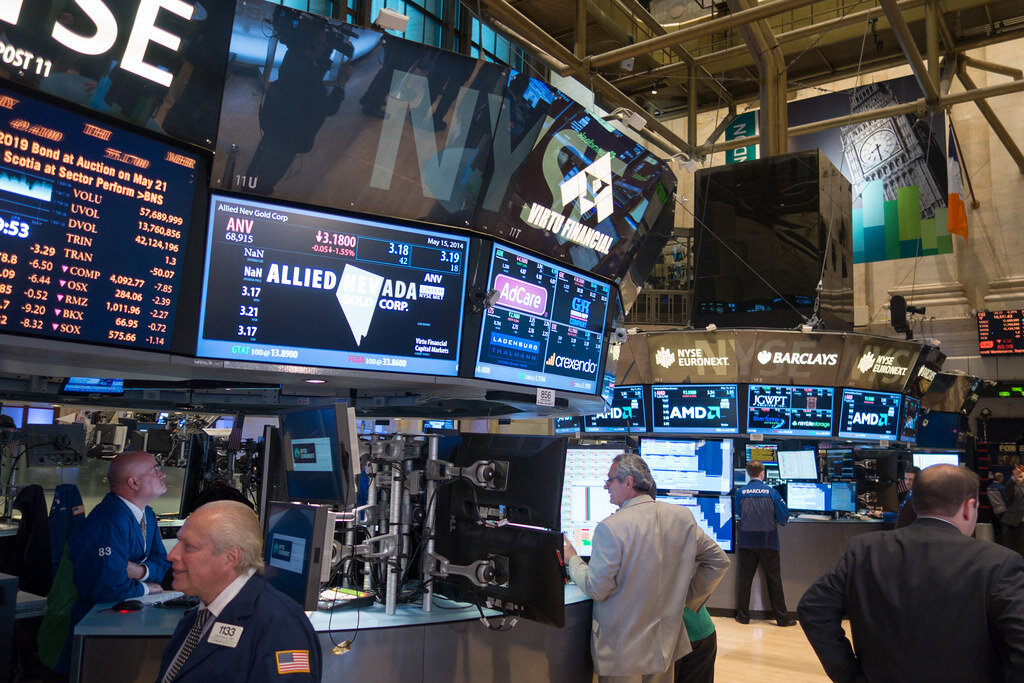
Exchanges are centralized, regulated marketplaces where securities are bought and sold. Think of the New York Stock Exchange (NYSE). Everything is standardized, from the contracts being traded to the hours of operation. This structure provides transparency, as prices are publicly known.
Over-the-counter (OTC) markets are different. Instead of a central location, trading happens directly between two parties. It’s a decentralized network of dealers who negotiate prices among themselves. This market is more flexible but can be less transparent than an exchange.
Many bonds and most derivatives are traded in OTC markets, while stocks are typically traded on exchanges.
Now that you've got a handle on the basic landscape, let's test your knowledge.