Trading for Cabin Crew
Time Management
Balancing Act: Your Time Management Plan
Juggling a full-time cabin crew job with learning to trade is demanding. Your schedule is unpredictable, and your energy levels can vary wildly. Success doesn't come from finding more hours in the day, but from managing the hours you have. This requires a solid plan, not just good intentions.
By consciously choosing and combining these time management strategies, students move from a reactive state of fighting fires to a proactive position of control.
Let's build a system that works with your unique lifestyle, helping you make steady progress without burning out.
Create a Structured Schedule
Your flight roster is your starting point. Look at your schedule on a weekly or monthly basis and identify your pockets of free time. These are your opportunities for study and practice. Be realistic. A 14-hour flight day is probably not the best time for deep learning, but a quiet morning on a layover might be perfect.
Use a digital calendar or a physical planner to block out these dedicated times. Treat them like appointments you can't miss. When you write something down, you're more likely to do it. The goal is to build a routine that adapts to your changing schedule.
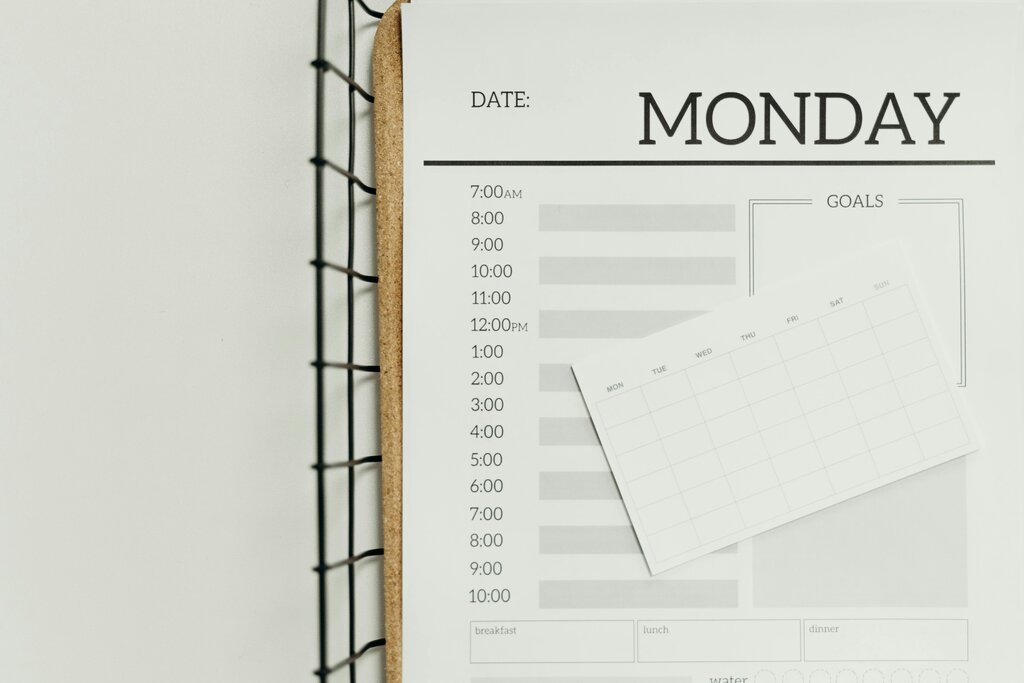
Don't just schedule study time; be specific. Instead of a vague block labeled "Trading," write "Read Chapter 2: Market Fundamentals" or "Practice on demo account for 30 minutes." This clarity removes the guesswork and makes it easier to start.
Even 20 minutes of focused effort during a layover is a significant step forward. Consistency beats intensity.
Prioritize Your Tasks
Once you've carved out time, you need to know what to do with it. Not all tasks are created equal. Some activities push you forward, while others are just noise. A simple way to prioritize is to ask two questions: Is this important? Is this urgent?
- Important and Urgent: These are your top priorities. Example: Completing a core lesson on risk management before placing your first practice trade.
- Important but Not Urgent: This is where true learning happens. These are activities you need to schedule. Example: Reading a book on trading psychology or consistently practicing on a demo account.
- Urgent but Not Important: These are distractions that feel productive but aren't. Example: Constantly checking stock prices or reacting to every piece of financial news.
- Not Urgent and Not Important: These are time-wasters. Example: Mindlessly scrolling through social media trading forums.
Focus your energy on the important tasks, especially the ones that aren't urgent. That's how you build a strong foundation.
Use the Pomodoro Technique
Knowing what to do is half the battle; the other half is actually doing it without getting distracted. This is especially hard when you're tired or have limited time. A simple but powerful method to improve focus is the Pomodoro Technique.
Pomodoro Technique
noun
A time management method that uses a timer to break work into intervals, traditionally 25 minutes in length, separated by short breaks.
Here’s how it works:
- Choose a task to work on.
- Set a timer for 25 minutes.
- Work on the task without interruption until the timer rings.
- Take a short 5-minute break.
- After four "Pomodoros," take a longer break of 15-30 minutes.
This technique is perfect for a cabin crew lifestyle. Have 30 minutes before you need to leave the hotel? That's one Pomodoro session. It breaks down daunting goals like "learn trading" into manageable, 25-minute chunks of focused effort.
Don't Forget Self-Care
Finally, the most important part of any demanding schedule is self-care. Pushing yourself too hard leads to burnout, which will derail your trading goals faster than anything else. Your job is physically and mentally taxing. You need to protect your well-being.
Make sure your schedule includes time for rest, exercise, and activities you enjoy that have nothing to do with trading or flying. Getting enough sleep is not a luxury; it's essential for making good decisions, which is critical in trading.
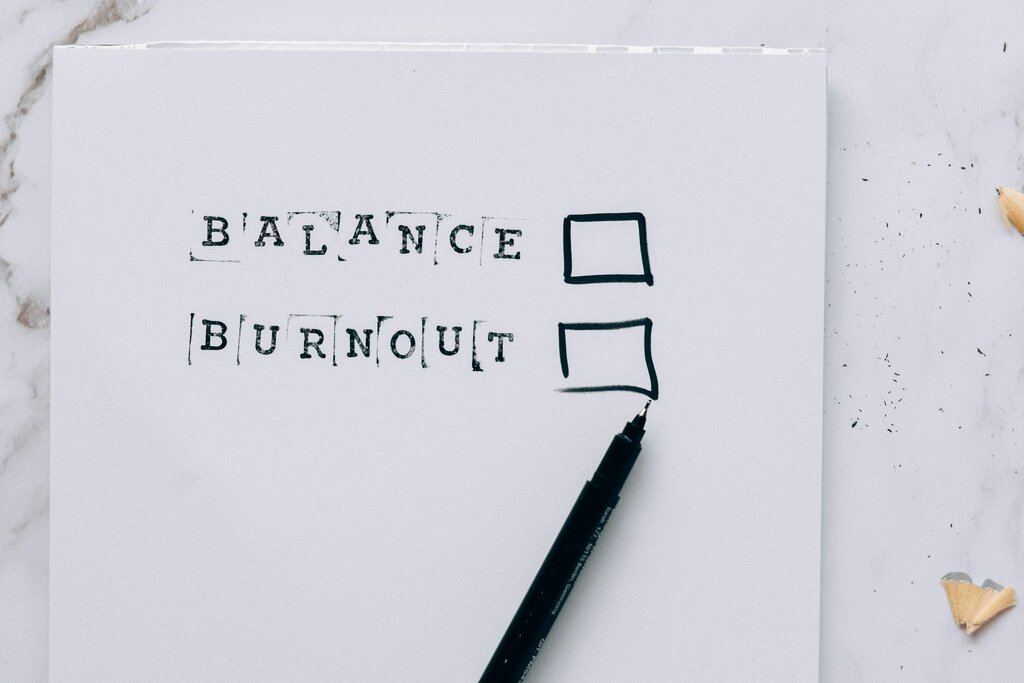
Listen to your body. If you're exhausted, it might be better to rest than to force a study session. A well-rested mind learns more effectively and makes fewer mistakes. Managing your energy is just as important as managing your time.
What is the recommended first step for a cabin crew member to integrate trading education into their unpredictable schedule?
According to the prioritization matrix described, which activity is considered 'Important but Not Urgent' and is key for building a strong foundation?
Effective time management is a skill you build over time. By creating a schedule, prioritizing your tasks, using focus techniques, and taking care of yourself, you can successfully balance your career with your trading education.