Trading Essentials Stocks Crypto Options
Introduction to Financial Markets
What Are Financial Markets?
Think of your local farmers market. It’s a place where people who grow vegetables (sellers) meet people who want to buy them (buyers). They agree on a price, and a transaction happens. A financial market is the same basic idea, but instead of trading apples and carrots, people trade financial instruments like stocks, bonds, and currencies.
These markets serve a few crucial functions. First, they help determine the prices of assets through the constant interaction of buyers and sellers. This is called price discovery. Second, they provide liquidity, which means you can easily convert your assets into cash. Without a liquid market, finding someone to buy your shares of a company could be very difficult.
Liquidity
noun
The ease with which an asset, or security, can be converted into ready cash without affecting its market price.
Finally, financial markets reduce the costs of trading. By bringing everyone together in one place, whether physical or virtual, they make it cheaper and more efficient to find a counterparty for a trade.
Primary vs. Secondary Markets
Financial markets are generally split into two main types: primary and secondary.
The primary market is where new securities are created and sold for the first time. The most famous example is an Initial Public Offering (IPO). When a private company decides to “go public,” it issues new shares of stock and sells them to investors to raise money. The cash from this sale goes directly to the company.
Think of the primary market like a car dealership selling a brand-new car. The first buyer purchases it directly from the manufacturer.
The secondary market is where those securities are traded among investors. This is what most people mean when they talk about “the stock market.” When you buy shares of Apple or Microsoft on a trading app, you are participating in the secondary market. You are buying shares from another investor, not directly from the company. The company doesn't receive any money from this transaction.
The secondary market is like the used car market. The original buyer of the new car sells it to someone else. The car manufacturer isn't involved in that sale.
The World's Stock Exchanges
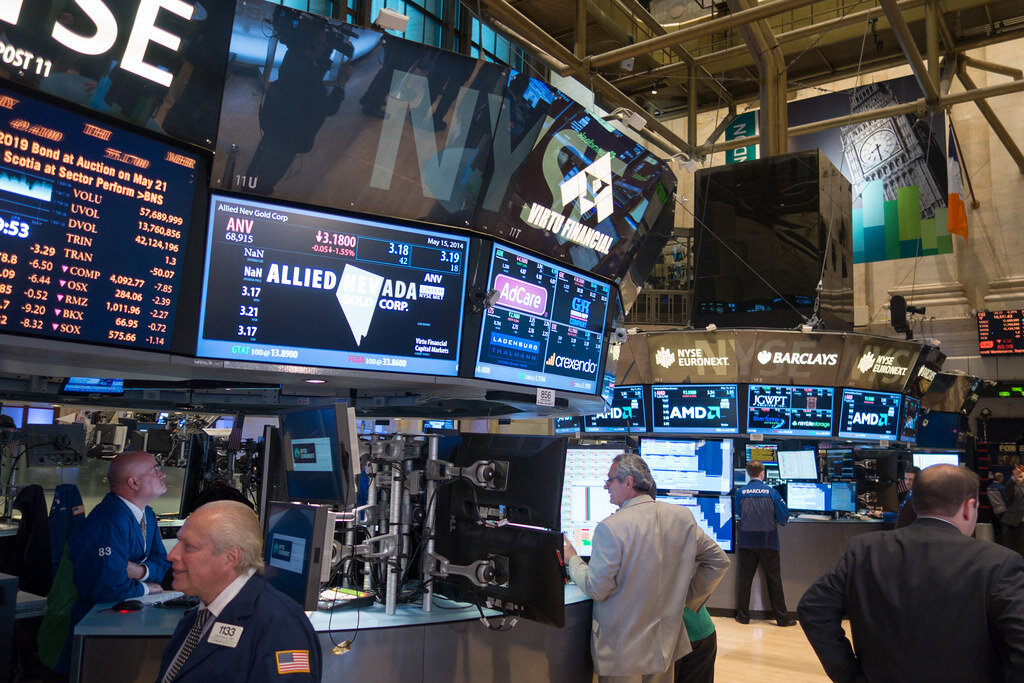
A stock exchange is an organized marketplace where stocks, bonds, and other securities are bought and sold. They provide the infrastructure for trading and ensure that all transactions are conducted fairly and efficiently. In the past, these were physical locations with traders shouting orders on a floor, but today most trading is done electronically.
There are major stock exchanges all over the world. Some of the largest and most well-known include:
- The New York Stock Exchange (NYSE): Located on Wall Street in New York City, it is one of the oldest and largest exchanges globally.
- The Nasdaq: Also based in New York City, the Nasdaq is a global electronic marketplace famous for listing many of the world's top technology companies.
- The London Stock Exchange (LSE): A leading international exchange located in the United Kingdom.
- The Tokyo Stock Exchange (TSE): The largest stock exchange in Japan and one of the biggest in Asia.
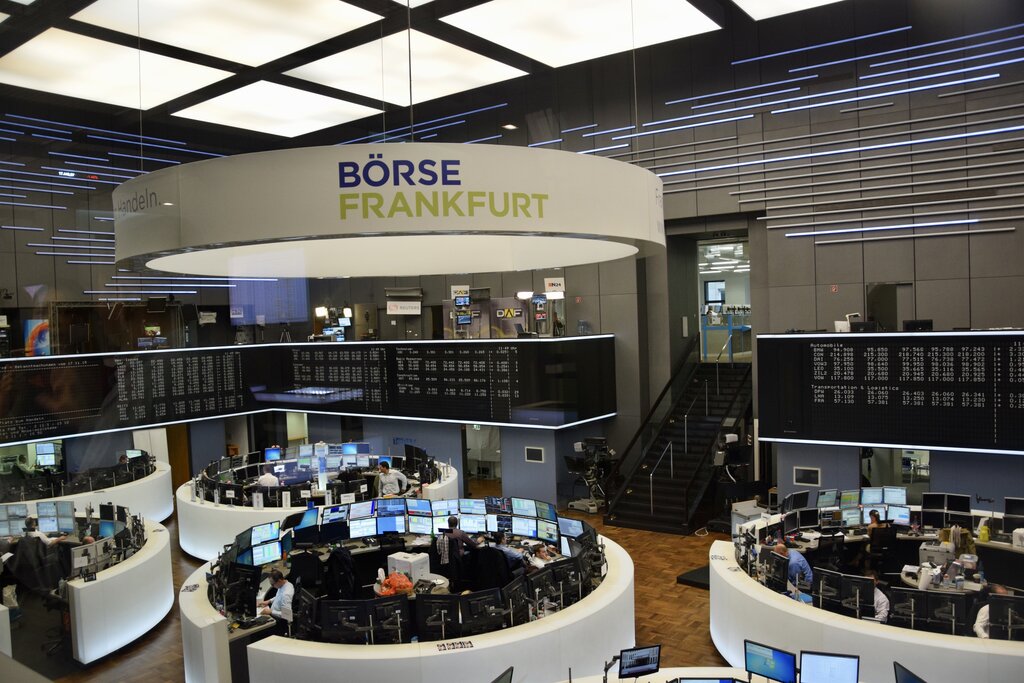
These exchanges are the engines of the global secondary market, facilitating trillions of dollars in trades every day and giving investors access to companies from all corners of the globe.
The process by which the interaction of buyers and sellers in a financial market determines the price of an asset is known as...
When a private company offers shares to the public for the first time in an Initial Public Offering (IPO), this event occurs in the:
Understanding these core concepts—what financial markets do, the difference between primary and secondary markets, and the role of stock exchanges—provides the foundation for exploring the world of investing.