Trading Card Flipping Mastery
Introduction to Trading Card Flipping
What is Card Flipping?
Trading card flipping is the art of buying cards and selling them for a higher price. Think of it like flipping a house, but instead of dealing with contractors and paint, you're working with holographic cardboard. The core idea is simple: buy a card when its price is low and sell it when the price goes up.
The profit on a single transaction might be small, but these gains can add up over time. It requires a bit of knowledge and a good sense of timing. You're not just collecting; you're actively participating in a market.
The Pokémon Card Market
The Pokémon trading card market is vast and has been around for decades. It's fueled by a mix of nostalgia, a dedicated player base, and serious collectors. This combination creates a dynamic environment where card values can change based on new game releases, tournament results, and pop culture trends.
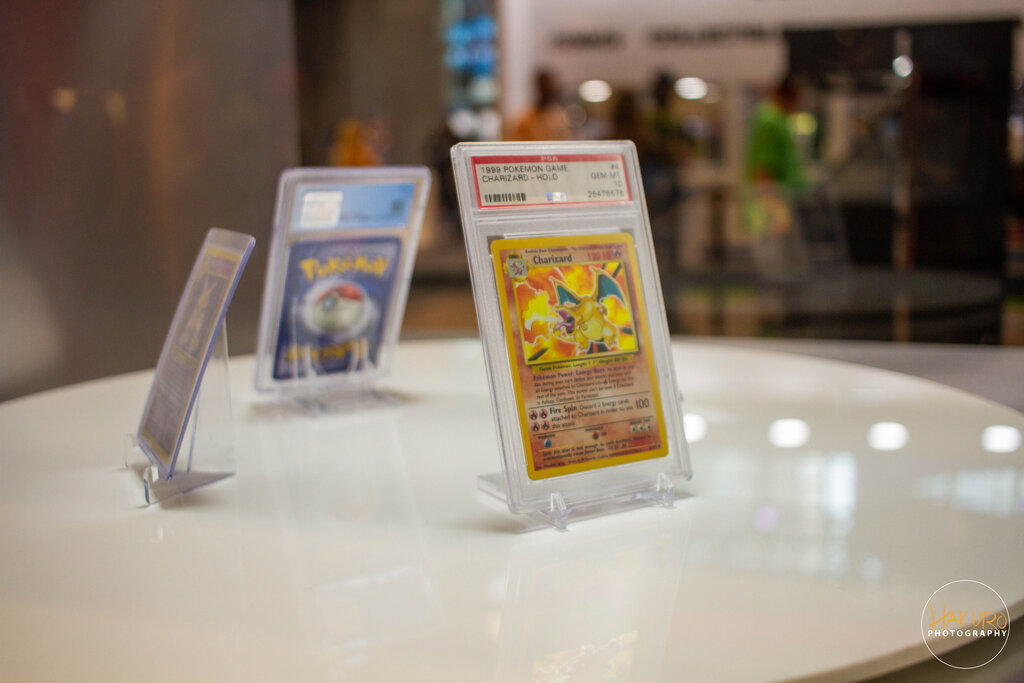
The market isn't just one big group. It's made up of different kinds of people:
- Players: They need specific cards to build competitive decks for tournaments. Their demand is driven by what's effective in the current game.
- Collectors: These individuals want to complete sets, find rare cards, or own pieces featuring their favorite Pokémon. Their interest is often tied to rarity and the card's condition.
- Investors: They treat cards as assets, buying rare and popular cards with the expectation that their value will increase over the long term.
Understanding these different motivations is crucial, as they all influence a card's market price.
The Golden Rule
The guiding principle of flipping is simple: buy low, sell high. This is easier said than done, but it's the foundation of every successful trade.
"Buying low" means finding opportunities. This could be spotting an underpriced card at a local shop, buying a collection from someone who doesn't know its value, or acquiring cards you believe will become more popular in the future. It's about recognizing potential before the rest of the market does.
"Selling high" is about patience and timing. After you've acquired a card, you need to find the right moment and the right buyer to maximize your return. This means understanding what a card is truly worth and not just accepting the first offer you receive.
Familiarize yourself with the history, card sets, and market trends, as knowledge is key to making informed decisions.
Staying informed is your most important tool. Prices change. A card that's not popular today could be essential for a top-tier deck next month. Reading articles, watching market analysis videos, and participating in online communities will help you spot trends and make smarter decisions.
What is the fundamental principle of trading card flipping?
Which group in the Pokémon card market is primarily driven by the need for specific cards to build competitive decks for tournaments?
This is just the beginning. By understanding these fundamentals, you're ready to start exploring the exciting world of trading cards.