Trading and Investment Essentials
Introduction to Financial Markets
The Marketplace for Money
At its heart, a market is just a place where buyers and sellers meet to exchange goods. You're familiar with farmers' markets for produce and online marketplaces for everything else. Financial markets are no different, except the 'goods' being traded are financial assets like stocks, bonds, and currencies.
Their main job in the economy is to connect people who have extra money (savers and investors) with those who need it (companies and governments). This flow of capital is what allows businesses to grow, innovate, and create jobs. It helps governments fund public projects like roads and schools. Without these markets, money would sit idle instead of being put to productive use.
Primary vs. Secondary Markets
Financial markets are split into two main types: primary and secondary.
The primary market is where new securities are born. When a company wants to raise money for the first time by selling shares to the public, it does so in the primary market. This event is called an Initial Public Offering (IPO). Think of it like a car manufacturer selling a brand-new car directly to its first owner. The money from the sale goes straight to the company.
Once that car is sold, any future sales happen between owners, not involving the manufacturer. This is the secondary market. Here, investors buy and sell existing securities from each other. The vast majority of trading activity you hear about on the news happens in the secondary market. The company whose stock is being traded doesn't receive any money from these transactions.
Primary Market: New securities are created and sold. Money goes to the issuer. Secondary Market: Existing securities are traded. Money goes from one investor to another.
Exchanges and Participants
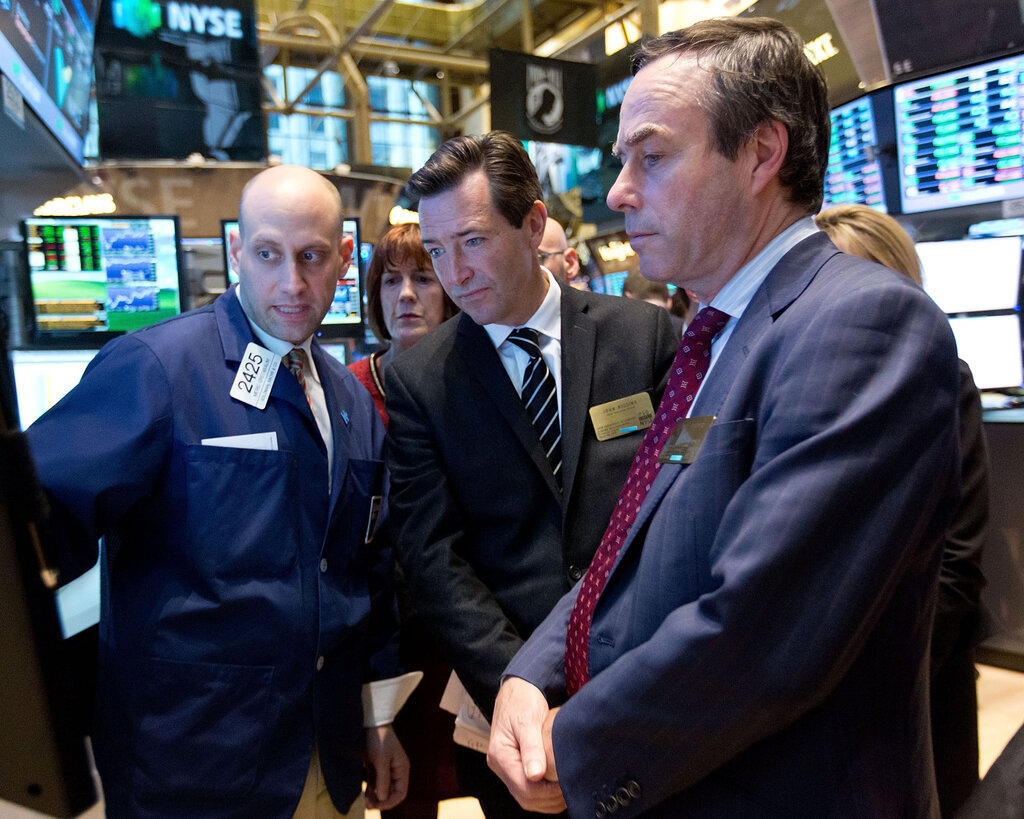
The most famous secondary markets are stock exchanges, like the New York Stock Exchange (NYSE) or Nasdaq. An exchange is a centralized, regulated marketplace that provides a platform for trading. They serve a few crucial functions:
- Price Discovery: By bringing together countless buy and sell orders, exchanges help determine the fair market price of a security.
- Orderly Trading: They establish rules and systems to ensure trading is fair and efficient for everyone.
- Transparency: All trades and prices are publicly reported, so everyone has access to the same information.
Of course, markets don't run themselves. They're composed of several key participants, each with a specific role.
| Participant | Role |
|---|---|
| Issuers | Companies or governments that sell securities to raise money. |
| Investors | Individuals and institutions who buy securities, providing the capital. |
| Intermediaries | Brokers and banks that facilitate the trades between issuers and investors. |
The Importance of Liquidity
Liquidity
noun
The ease with which an asset can be converted into cash without significantly affecting its market price.
Imagine trying to sell your house. If you live in a popular neighborhood with lots of interested buyers, you can likely sell it quickly at a fair price. The market for your house is liquid.
Now, imagine you're trying to sell a very rare, niche collectible. It might take months or even years to find the right buyer, and you might have to accept a lower price than you'd like. This market is illiquid.
Liquidity is vital for a healthy financial market. When a market is liquid, it means there are many buyers and sellers actively trading. This allows investors to enter and exit positions easily and at predictable prices. High liquidity reduces risk and transaction costs, making the market more efficient and attractive to participants.
In a liquid market, you can sell what you own, when you want, at a price that makes sense. In an illiquid market, you might get stuck.
Now that you have a foundational understanding of how financial markets are structured, let's test your knowledge.
What is the primary economic function of a financial market?
A transaction where an investor buys 100 shares of a well-established company from another investor on the Nasdaq is happening in the __________ market.
Understanding these core concepts—the structure, the participants, and the importance of liquidity—is the first step to making sense of the world of finance.