Trade Show Booth Excellence for Tech Teams
Understanding Trade Show Dynamics
Why Trade Shows Matter
A trade show is more than just a marketing event. It's a chance to meet the people who use, or could use, our products face-to-face. Our primary goal isn't just to scan badges; it's to make genuine connections, understand the challenges of our audience, and represent the company as a helpful, knowledgeable partner.
We go to these events with a few key objectives in mind:
- Generate qualified leads: Identify individuals and companies who have a real need for our solution.
- Build brand awareness: Show the tech community who we are and what we stand for.
- Gather market intelligence: Listen to attendees to learn about their current projects, the tools they're using (like Terraform or OpenTofu), and the problems they're trying to solve.
- Meet customers and partners: Strengthen existing relationships and explore new collaboration opportunities.
Your goal isn't to close a deal at the booth. It's to start a meaningful conversation that leads to a follow-up.
Your Role at the Booth
A trade show booth is a team effort. Every person, regardless of their department, plays a crucial role in creating a welcoming and informative experience for attendees. The environment can be chaotic, but with clear roles, we can operate smoothly and effectively.
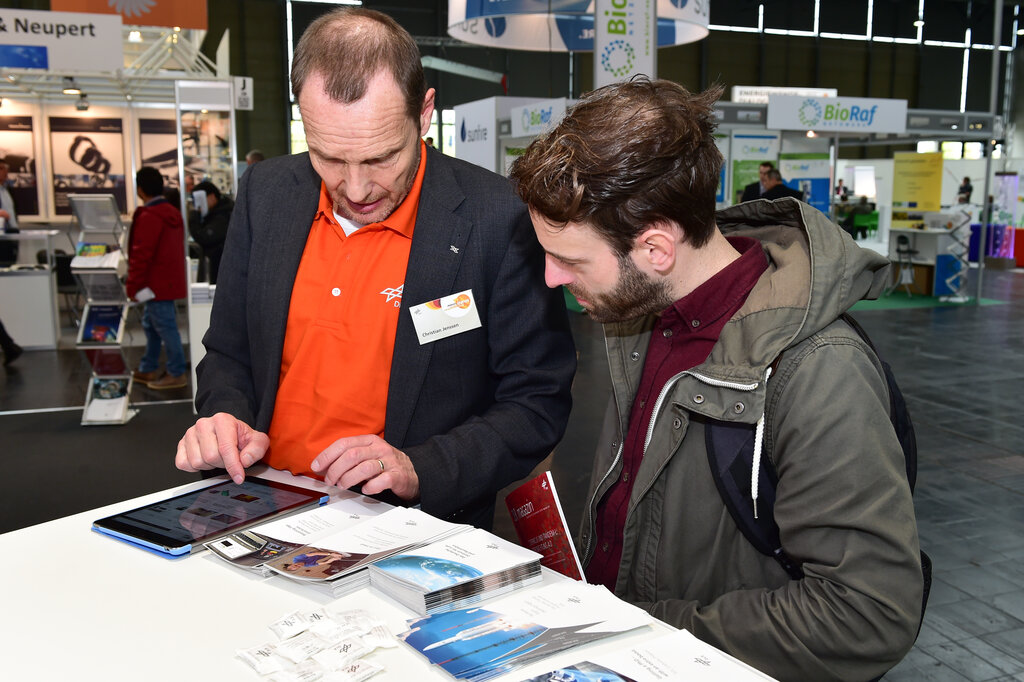
While everyone should be ready to greet visitors and answer basic questions, each team has a primary focus. Here’s a general breakdown of responsibilities:
| Role | Primary Responsibilities |
|---|---|
| Marketing | Manage booth logistics, messaging, and branding. Attract visitors and oversee the overall attendee experience. |
| Sales Development | Greet and qualify visitors. Identify potential leads by asking targeted questions and schedule follow-up meetings. |
| Sales (AEs) | Engage with highly qualified leads identified by the team. Discuss specific use cases and business value. |
| Customer Success | Connect with existing customers. Gather feedback, answer questions, and strengthen relationships. |
Making a Great Impression
How we present ourselves directly reflects on the company. Professionalism is key. This means being approachable, attentive, and engaged at all times. Avoid sitting down, looking at your phone, or eating in the main area of the booth. Your body language should be open and inviting.
Stand at the front of the booth, not behind a table, and make eye contact with people passing by. A simple "hello" can be enough to start a conversation. Remember, you might be the first and only interaction someone has with our company. Make it a positive one.
Engaging a Technical Audience
Our audience—professionals in DevOps, Platform Engineering, and SRE—is technically savvy. They appreciate direct, knowledgeable conversation and are quick to dismiss a generic sales pitch. Your primary goal is to understand their world.
Instead of leading with what our product does, lead with questions about them. Here are a few strategies:
- Ask open-ended questions: "What are the biggest challenges you're facing with your infrastructure management?" or "How is your team currently using Terraform?"
- Listen more than you talk: Let them describe their tech stack, their workflow, and their pain points. This is valuable information.
- Qualify, don't demo: The goal is to determine if there's a potential fit. A short, high-level overview is fine, but a deep-dive product demo is for a scheduled follow-up call. Keep the conversation focused on their needs.
Engineers are problem-solvers. Talk about their problems, not your features.
Now that you understand the fundamentals of working a trade show, let's test your knowledge.
What is the primary goal of engaging with attendees at a trade show?
When engaging a technically savvy visitor, what is the most effective opening strategy?
By focusing on professional engagement and genuine curiosity, you can help make our next trade show a success.