TPU vs GPU for Machine Learning
Introduction to Machine Learning Hardware
The Brains of the Operation
Every computer has a Central Processing Unit, or CPU. It's the primary chip that acts as the system's brain, handling a vast range of tasks to keep everything running. From opening a file to running your web browser, the CPU is in charge. It's designed to be a jack-of-all-trades, capable of executing a series of complex instructions one after another very quickly.
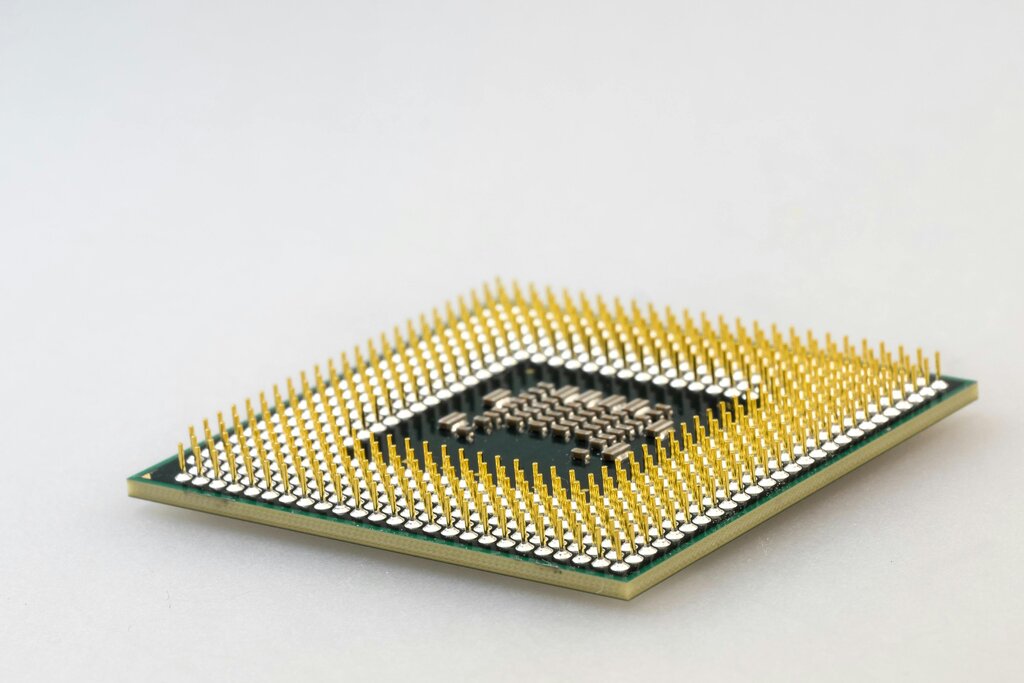
In machine learning, the CPU plays the role of a manager. It orchestrates the entire process, loading data, managing files, and executing the parts of the program that don't require massive parallel computations. While it can handle some machine learning tasks on its own, especially for smaller models, its sequential nature makes it slow for the heavy lifting required by modern AI.
A Powerful Accident
Graphics Processing Units, or GPUs, started out with a very different purpose: rendering graphics for video games. To create realistic images, a computer needs to perform the same simple calculation for millions of pixels simultaneously. GPUs were built with thousands of smaller, simpler cores designed to do just that. They are masters of parallel processing.
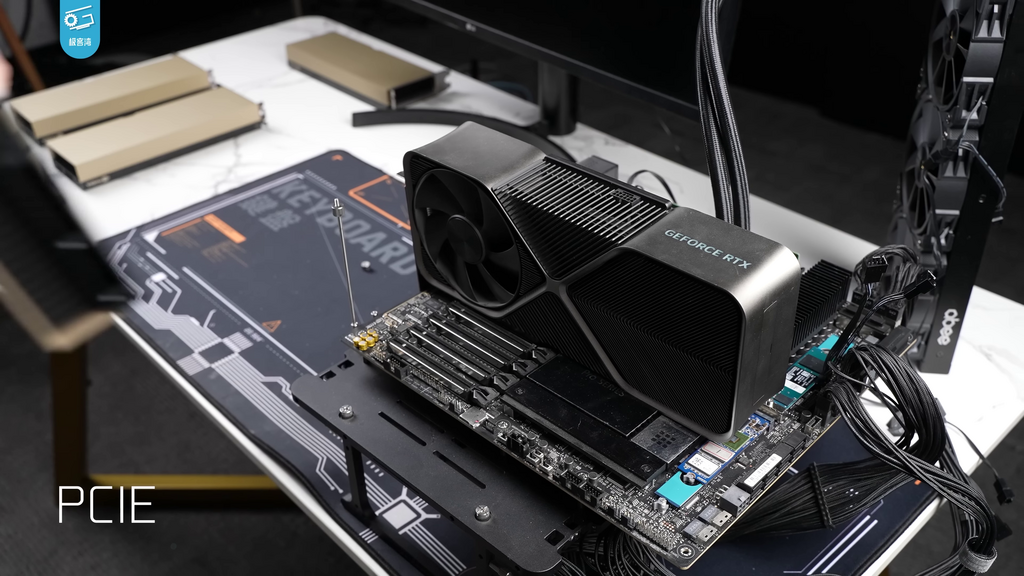
It turns out that training a deep learning model involves a similar kind of work: performing millions of matrix calculations at once. Researchers discovered that GPUs could speed up machine learning tasks dramatically. This happy accident turned GPUs from a gamer's luxury into a cornerstone of the AI revolution. They excel at the repetitive, parallelizable math that makes up the bulk of model training.
Built for a Purpose
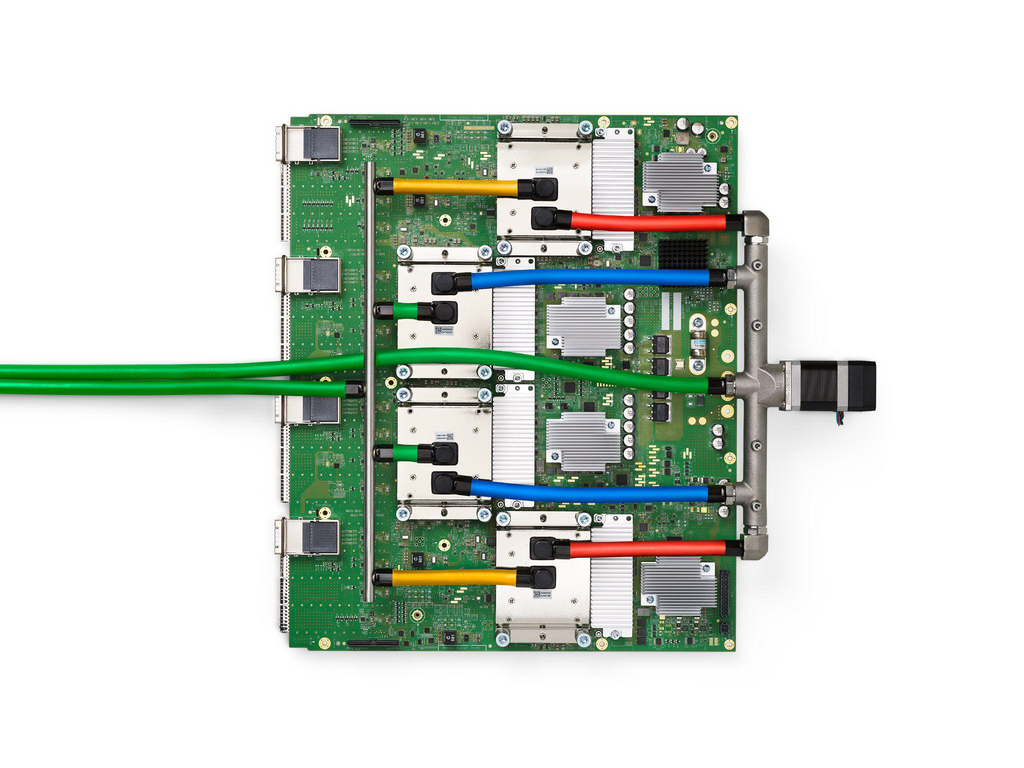
As machine learning became more important, companies started designing hardware specifically for it. Google's Tensor Processing Unit, or TPU, is the most famous example. TPUs are Application-Specific Integrated Circuits (ASICs), meaning they are custom-built for one job: accelerating AI workloads.
TPUs are specialized processors developed by Google specifically to accelerate AI and machine learning workloads—with particular optimization for deep learning operations.
Unlike a CPU or GPU, a TPU isn't meant for general-purpose computing. It's designed to perform tensor operations, the fundamental mathematical computations used in neural networks, with incredible speed and efficiency. Think of it as a highly specialized tool. While a chef's knife (CPU) is versatile, you'd use a dedicated apple corer (TPU) to get through a thousand apples as quickly as possible.
Different Tools for Different Jobs
Each of these processors has a distinct role. They often work together in a single system, with the CPU managing the overall process while the GPU or TPU handles the heavy computational lifting.
| Processor | Primary Role | Analogy |
|---|---|---|
| CPU | General-purpose, sequential task execution | A Project Manager |
| GPU | Massive parallel processing for repetitive tasks | An Army of Workers |
| TPU | Highly specialized AI workload acceleration | A Custom-built Tool |
Now, let's check your understanding of these core components.
What is the primary role of a Central Processing Unit (CPU) in a modern computer system?
True or False: A GPU's architecture, originally designed for rendering graphics, proved to be highly effective for machine learning tasks by accident.
Understanding the roles of CPUs, GPUs, and TPUs is the first step in appreciating how modern AI systems are built and trained. Each piece of hardware contributes its unique strengths to make complex machine learning possible.