Toyota's Kaizen Philosophy
Introduction to Kaizen
The Power of Small Changes
Imagine trying to improve something in your life or work. The natural tendency is often to think big, to look for a massive overhaul or a revolutionary new idea. But what if the secret to major transformation lies in small, consistent steps? This is the core idea behind Kaizen.
change for the better
Kaizen is a Japanese term that translates to "change for the better" or "continuous improvement." It’s not about making drastic changes overnight. Instead, it’s a philosophy that focuses on making small, positive changes on an ongoing basis. The idea is that these tiny improvements will compound over time, leading to significant results.
At its core, Kaizen encourages the notion that little, incremental improvements built together over time can produce big results.
Where Did Kaizen Come From?
The philosophy of Kaizen gained international recognition through its use in Japanese manufacturing after World War II. During this period, Japan was focused on rebuilding its industries. Companies were open to new ideas, including quality management concepts introduced by American experts like W. Edwards Deming. Japanese businesses adapted these ideas and integrated them into their own cultural and business practices.
This blend of influences gave rise to new management philosophies. Kaizen became a cornerstone of this new approach, most famously at Toyota, where it was integrated into what would become known as the Toyota Production System (TPS). The focus was on empowering every employee, from the CEO to the assembly line worker, to identify and suggest small improvements in their daily work.
Core Principles and Benefits
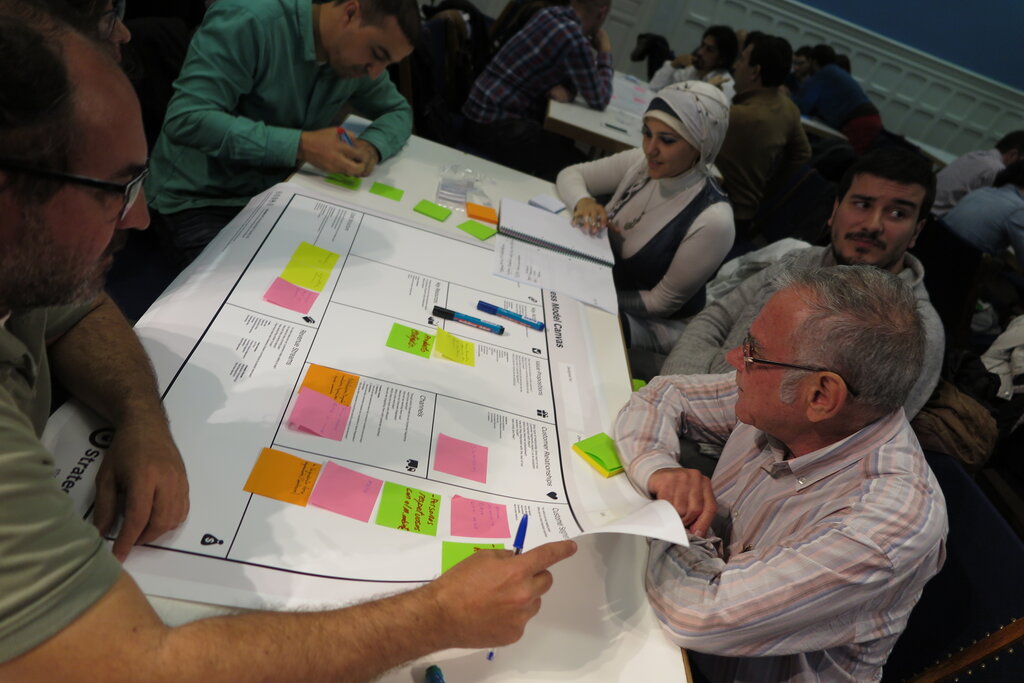
Kaizen isn't a strict set of rules, but rather a mindset guided by a few core principles. The first is that improvement should be continuous. It's not a one-time project but an everyday activity. Second, Kaizen involves everyone. The best ideas for improvement often come from the people doing the work, as they have the deepest understanding of the processes involved. Finally, it focuses on eliminating waste, whether that's wasted time, materials, or effort.
Adopting this mindset has several key benefits for an organization. It fosters a positive, proactive culture where employees feel valued and empowered to make a difference. By focusing on small, low-cost improvements, companies can enhance efficiency and quality without needing massive capital investments. This leads to better products, happier customers, and a more engaged workforce. Kaizen creates a cycle of improvement that can become a powerful competitive advantage.
What is the core idea behind the Kaizen philosophy?
The philosophy of Kaizen gained international recognition through its application in which country's post-World War II manufacturing industry?
This philosophy of continuous, incremental improvement is a foundational concept. Understanding it is key to grasping how systems like the Toyota Production System achieve such high levels of efficiency and quality.