Toxic Stress and Brain Architecture
Introduction to Stress and Brain Development
The Body's Alarm System
Everyone experiences stress. It’s that feeling of pressure when you're facing a challenge, whether it's giving a presentation, taking a test, or even just meeting new people. This response is a normal and essential part of life. It’s your body's built-in alarm system, designed to help you handle difficult situations.
stress
noun
A physical, mental, or emotional response to a challenging event or demand. It triggers a surge of hormones that prepare the body to either fight or flee from a perceived threat.
When your brain senses a threat, it kicks off a chain reaction. The hypothalamus, a small region at the base of your brain, signals the pituitary and adrenal glands to release a flood of hormones, including cortisol and adrenaline. This is often called the "fight-or-flight" response. Your heart pounds, your breathing quickens, and your muscles tense up, ready for action. This system is brilliant for short-term survival, like swerving to avoid a car accident.
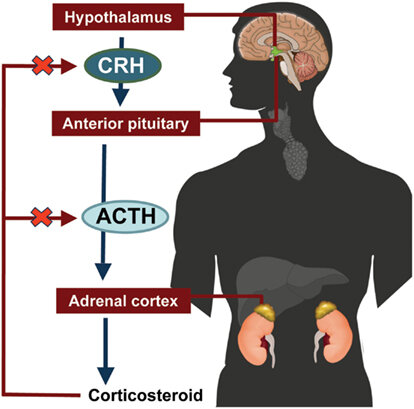
For a developing brain, this system is constantly learning when to turn on and, just as importantly, when to turn off. Once the perceived threat is gone, the body is supposed to return to a calm state. But the type and duration of stress matter a great deal, especially in childhood when the brain is at its most malleable.
Three Flavors of Stress
Not all stress is created equal. Scientists often categorize stress into three distinct types based on its intensity and duration. Understanding these differences helps explain why some stress is beneficial while other forms can be harmful to a child's development.
| Type | What It Is | Impact on Development |
|---|---|---|
| Positive | A brief increase in heart rate and mild changes in stress hormone levels. | Essential for healthy development. Builds motivation and resilience. |
| Tolerable | A more serious stress response, but limited in duration. | The brain can recover fully if buffered by supportive relationships. |
| Toxic | Prolonged activation of the stress response system without adequate adult support. | Can disrupt brain architecture and increase the risk for later problems. |
Positive stress is the everyday stuff: the first day of school or learning a new skill. It’s challenging but ultimately helps a child grow.
Tolerable stress involves more serious events, like the loss of a loved one or a natural disaster. It's intense, but with the help of caring adults, a child can learn to cope and recover. The key is that the stress response eventually turns off.
The most important factor in managing stress is the presence of a stable, supportive adult.
Toxic stress is different. It occurs when a child experiences strong, frequent, or prolonged adversity, such as chronic neglect or abuse, without adequate adult support. This is like the body’s alarm system being stuck in the “on” position. The constant flood of stress hormones can begin to wear down the developing brain and other organ systems.
The Power of Connection
The critical ingredient that determines whether stress is tolerable or toxic is the presence of supportive relationships. When a child feels safe and cared for by an adult, their stress response system can calm down. The adult’s comforting presence helps the child’s body return to its baseline state.
The absence of warmth and stability and the presence of disruptive and unrelenting (toxic) stress-inducing interactions are sources of lasting biological and behavioral changes.
These relationships act as a buffer. They don’t necessarily remove the source of stress, but they help the child manage it. An adult can provide a sense of control and predictability that helps regulate the biological response. This interaction co-regulates the child's nervous system and teaches them, over time, how to regulate it themselves.
This buffering effect is crucial for building a healthy brain architecture. It ensures that the stress response system doesn’t stay activated for long periods, protecting the brain's developing circuits from potential harm.
Time to check your understanding of how stress works.
What is the primary function of the body's "fight-or-flight" response?
A child feels nervous about trying out for the school play, but their parents encourage them and help them practice their lines. This experience is an example of which type of stress?
Understanding the basics of the stress response is the first step. Next, we'll explore exactly how toxic stress can change the physical structure and function of the brain.