Total Addressable Market Calculation
Introduction to Market Analysis
Your Market Playground
Before you can win a game, you need to understand the rules and the layout of the field. In business, this is called market analysis. It's the process of studying a market to understand the opportunities and challenges it presents. Think of it as creating a map that shows you where the customers are, who your competitors are, and the best path to success.
Without this map, you're essentially flying blind. A solid market analysis helps you make smarter decisions, from what products to build to how you should price them. It’s the foundation of any successful business strategy.
The Lay of the Land
Markets aren't all the same. Some have many competitors, while others are dominated by just a few big players. These different environments are called market structures. Understanding the structure you're operating in is key, as it dictates how much power you have over pricing and how you'll need to compete.
There are four basic types of market structures:
| Structure | Number of Firms | Product Type | Control Over Price |
|---|---|---|---|
| Perfect Competition | Many | Identical | None |
| Monopolistic Competition | Many | Differentiated | Some |
| Oligopoly | A few | Identical or Differentiated | Significant |
| Monopoly | One | Unique | Complete |
A farmers market is a good example of perfect competition. Many vendors sell similar vegetables, and no single farmer can dictate the price of tomatoes. On the other end, your local utility company is often a monopoly; you only have one choice for electricity, and they set the price.
Slicing the Pie
A market is rarely one giant, uniform group of customers. It’s usually made up of many smaller groups with different needs and preferences. The process of dividing a broad market into these smaller groups is called market segmentation.
Why do this? Because you can't be everything to everyone. Segmentation allows you to tailor your products and marketing messages to the specific groups who are most likely to buy from you. It’s about focusing your efforts where they’ll have the biggest impact.
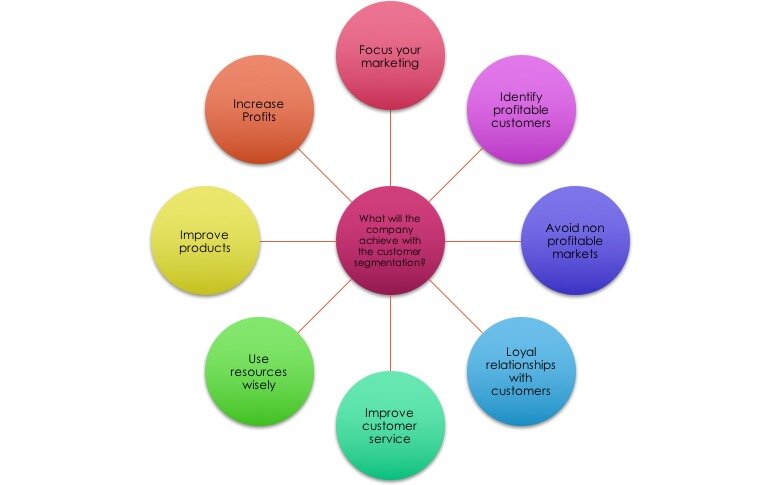
Businesses typically segment their markets in a few common ways.
Gathering Intelligence
So how do you learn about your market's structure and its different segments? Through market research. This is the systematic process of gathering information about your target customers and competitors.
There are two main types of research:
- Primary Research: This is research you conduct yourself. Think surveys, interviews, and focus groups. You're gathering new data directly from the source.
- Secondary Research: This involves using data that has already been collected by others. Examples include government reports, industry publications, and academic studies.
Good decisions are built on good data. Market research provides that data.
Both types of research are valuable. Secondary research is often a great starting point to understand the broad strokes of a market, while primary research can give you specific insights into your unique customers and their needs.
Now that we've covered the basics of analyzing a market, it's time to test your knowledge.
What is the primary purpose of conducting a market analysis?
A new streaming service enters a market dominated by three other major providers. This scenario is an example of which market structure?
Understanding these core concepts—market structure, segmentation, and research—is the first step toward building a successful business strategy. They provide the context you need to identify your best opportunities.