Topical Retinoic Acid in Dermatology
Introduction to Retinoic Acid
The Language of Our Cells
Retinoic acid is one of the most important molecules for our skin's health. It's a specific form of vitamin A that our bodies create and use to send messages. Think of it as a key regulator for many biological processes, from embryonic development to maintaining healthy tissues in adults.
While it has many jobs, retinoic acid is famous for its role in skin. It's a powerful signaling molecule that essentially tells skin cells how to grow, mature, and turn over. Its chemical structure is perfectly designed for this task, featuring a bulky ring at one end, a long, flexible chain of carbon atoms, and a reactive acid group at the other end. This structure allows it to enter cells and interact with specific proteins to deliver its instructions.
From Food to Function
Our bodies don't produce vitamin A out of thin air; we get it from our diet. Foods rich in beta-carotene, like carrots and sweet potatoes, provide the raw material. Once ingested, our bodies convert these precursors into usable forms through a multi-step metabolic process.
The process starts with beta-carotene, which is cleaved to form retinal. This molecule is a crucial crossroads. It can be reversibly converted to retinol, the storage form of vitamin A, or it can be irreversibly oxidized to become retinoic acid. This final step is a one-way street; once retinoic acid is formed, it can't be converted back. This tight regulation ensures that this potent signaling molecule is produced only when and where it's needed.
A Cellular Taskmaster
Once created, retinoic acid gets to work, particularly within the skin. It acts directly on our skin cells, called keratinocytes, which make up the epidermis, the outermost layer of our skin.
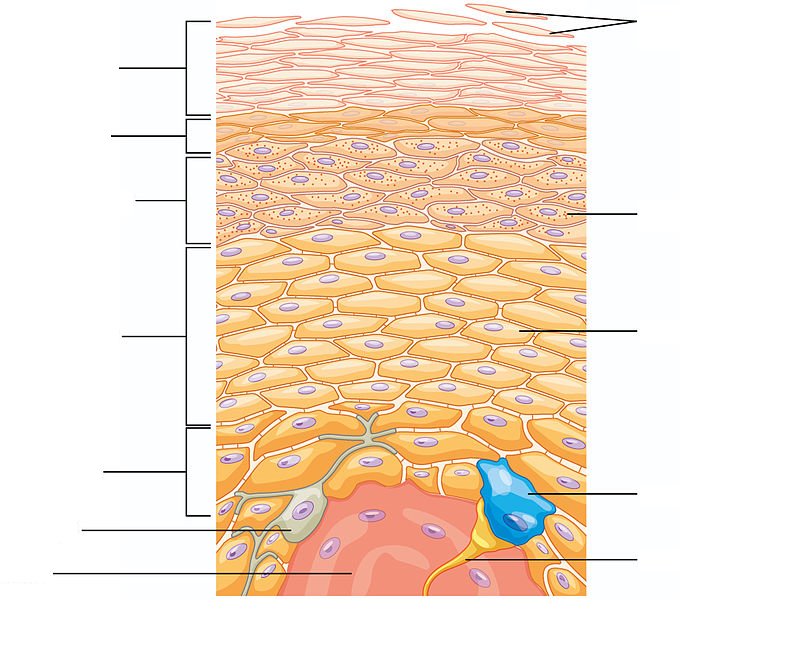
Retinoic acid influences several key cellular processes:
- Proliferation: It helps regulate the rate at which new skin cells are produced in the deepest layer of the epidermis.
- Differentiation: As these new cells move toward the surface, retinoic acid guides their transformation from living cells into the tough, dead cells that form the protective outer layer (the stratum corneum).
- Turnover: It promotes the shedding of old, dead cells from the skin's surface, a process known as desquamation. This helps keep the skin smooth and prevents the buildup of dead cells that can clog pores.
By managing cell growth and turnover, retinoic acid ensures the epidermis is constantly renewing itself, maintaining a healthy, functional skin barrier.
Ready to check your understanding of this vital molecule?
What is the primary role of retinoic acid in the body?
The metabolic conversion of retinal to retinoic acid is a one-way process.
Understanding how retinoic acid is formed and its fundamental role in skin cell biology is the first step to appreciating its importance in dermatology.